Methylene Blue for Hair Loss and Growth: How It Works & Results
If you have been researching methylene blue for hair loss, you have probably noticed that the conversation spans everything from functional medicine clinics to biohacking forums, with wildly varying claims along the way. This is the honest breakdown of what it actually does, what the science says, and whether it belongs in a hair loss protocol.
We will tell you upfront: methylene blue is one of the more genuinely interesting molecules in cellular health, and the emerging research on methylene blue for hair growth is directionally strong. But the hair-specific human clinical trials are still early, and we would rather give you an accurate picture than oversell something.
What Is Methylene Blue?
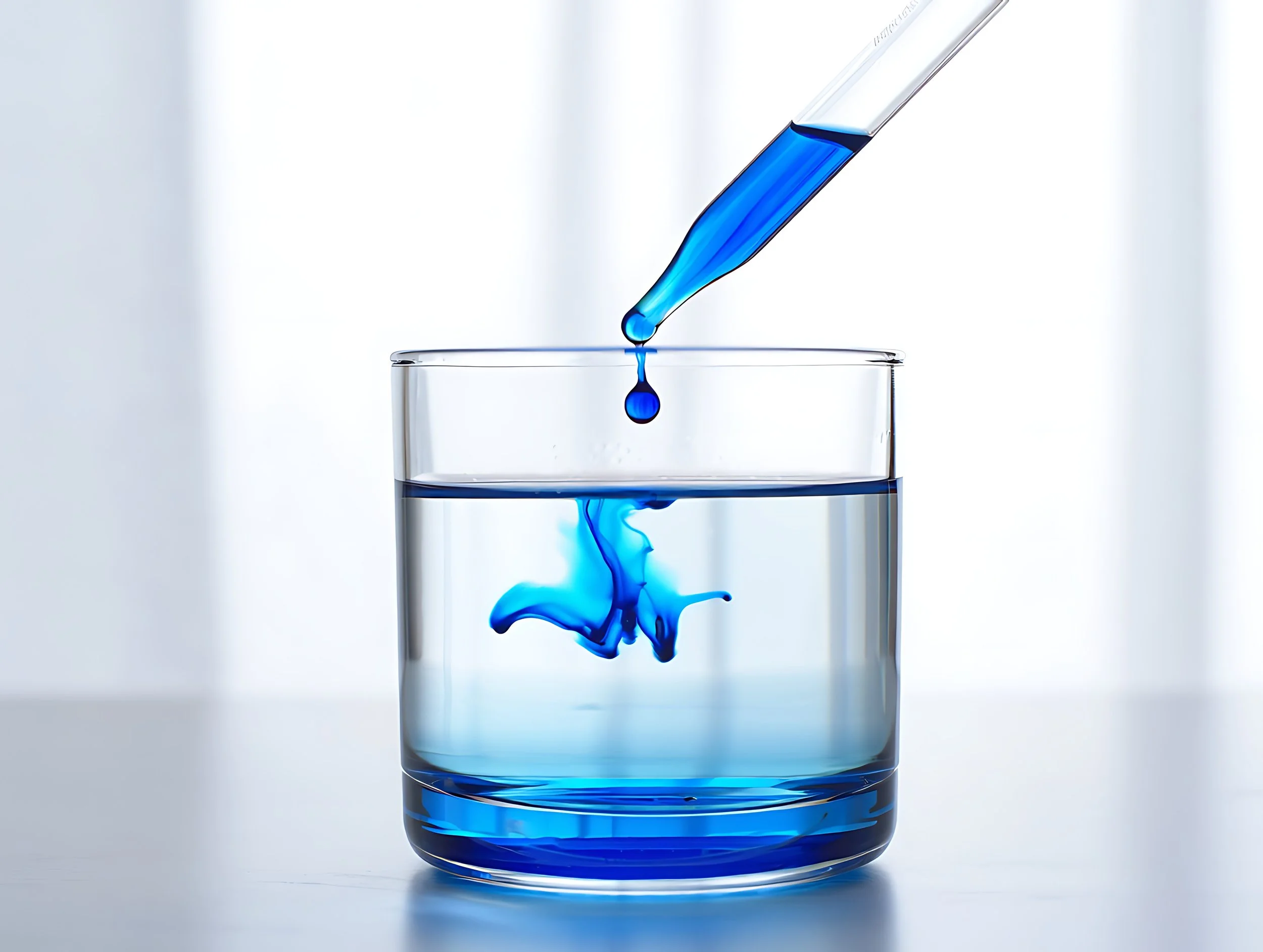
Methylene blue is a synthetic compound originally developed as a textile dye in the 1800s. It went on to become one of the first drugs ever synthesized, used for decades to treat malaria and later methemoglobinemia. More recently it has attracted significant attention in the fields of functional medicine and regenerative health for its effects on mitochondrial function.
What makes it interesting is how it interacts with the mitochondria, the structures inside your cells responsible for producing energy. It essentially acts as an electron carrier, helping the mitochondria produce ATP more efficiently while also reducing the oxidative stress that builds up as a byproduct of normal cellular function.
Why Mitochondria Matter for Hair
Hair follicles are among the most metabolically active structures in the body. Growing a single strand of hair requires a significant amount of cellular energy, and the follicle cells that power that process are heavily dependent on healthy mitochondrial function.
When mitochondria become less efficient, whether from aging, chronic stress, inflammation, or environmental factors, follicle cells can slow down, weaken, or stop cycling properly. This is one reason why hair thinning and slowed growth are common as we age, even in the absence of any hormonal or genetic cause.
A 2007 study published in Rejuvenation Research found that methylene blue delays cellular senescence and enhances mitochondrial function, including increasing mitochondrial complex IV activity by approximately 30% and enhancing cellular oxygen consumption. More recent research published in PMC further supports methylene blue's role in targeting mitochondrial dysfunction at a cellular level.
In short: anything that supports mitochondrial efficiency has a plausible pathway to supporting follicle health. Methylene blue is one of the more targeted tools we have for doing that.
What Does the Research Say Specifically About Hair
This is where we want to be transparent. There are currently no large-scale human clinical trials specifically testing methylene blue for hair growth. The evidence we have is mechanistic, meaning it explains how methylene blue could support hair health through its effects on mitochondria and cellular repair, but it has not yet been validated through the kind of rigorous human trials we would ideally want to see.
That said, the mechanistic case is compelling. Research has shown that methylene blue activates the Wnt/β-catenin signaling pathway, which is one of the key molecular pathways involved in hair follicle cycling and regeneration. It also reduces oxidative stress in follicle stem cells, which are the cells responsible for initiating each new growth cycle.
In May 2026, Dr. Kan Cao of the University of Maryland — whose peer-reviewed research on methylene blue's effects on hair follicle stem cells was published in Aging — launched Mblue Labs, a biotech company built around the molecule's hair regeneration applications. The research confirmed that methylene blue enhances hair follicle stem cell proliferation, reduces oxidative stress, and activates the Wnt/β-catenin signaling pathway critical to the hair growth cycle. It also demonstrated protection against the follicle stem cell damage associated with GLP-1 medications — an emerging and underaddressed cause of hair loss. This is some of the most targeted, mechanism-specific hair research published to date.
The honest summary: the science is early but directionally strong, and methylene blue fits into a broader framework of cellular health support that we know matters for hair.
Can Methylene Blue Reverse Grey Hair?
This is one of the most common questions we get, and it deserves a careful answer.
Greying occurs when the melanocytes in the follicle, the cells that produce pigment, progressively lose function or die. Oxidative stress is a known contributor to this process, and there is emerging research suggesting that mitochondrial dysfunction plays a role in accelerated greying.
Because methylene blue reduces oxidative stress and supports the health of stem cells within the follicle, there is a theoretical basis for its relevance to greying. However, there is no clinical evidence at this time demonstrating that methylene blue can reverse established grey hair. It may have a role in slowing the process by protecting pigment-producing cells earlier in the timeline, but we would not frame it as a grey hair treatment based on current evidence.
We share this because we think our patients deserve honesty, not hype.
How We Use Methylene Blue at NHLMA
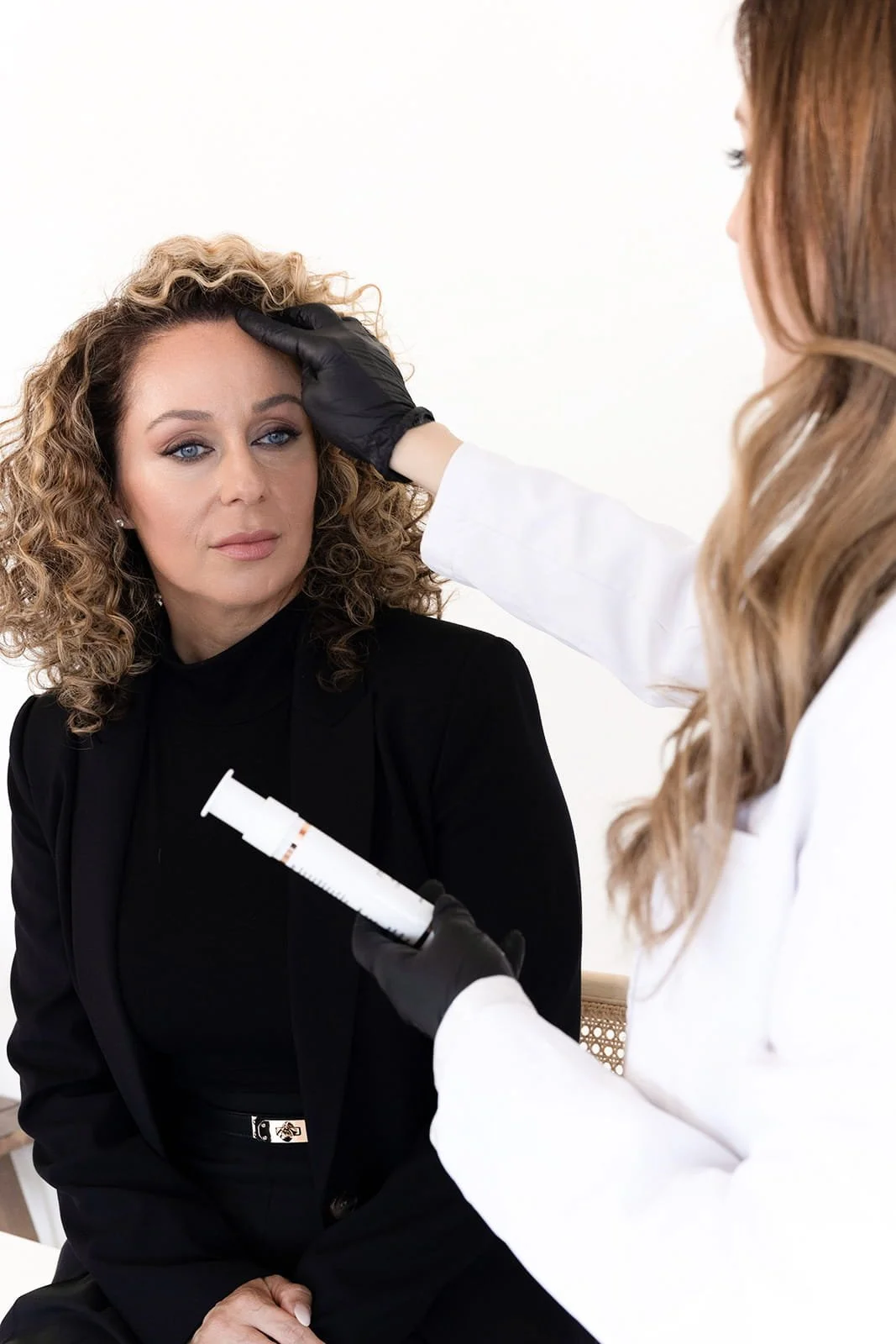
At NHLMA, methylene blue is one tool within a broader cellular and functional approach to hair restoration. It is not something we recommend in isolation, and it is not appropriate for everyone. We use pharmaceutical-grade sourcing exclusively, and we integrate it into personalized protocols alongside:
nutritional support and other treatments depending on what a patient's evaluation shows
For patients who are good candidates, it can be paired with scalp treatments, PRF, and whole-body wellness protocols to support hair health at the cellular level.
Methylene blue used for industrial or aquarium purposes is not safe for human use. Always ensure that any supplementation is sourced from a medical-grade supplier and used under professional supervision.
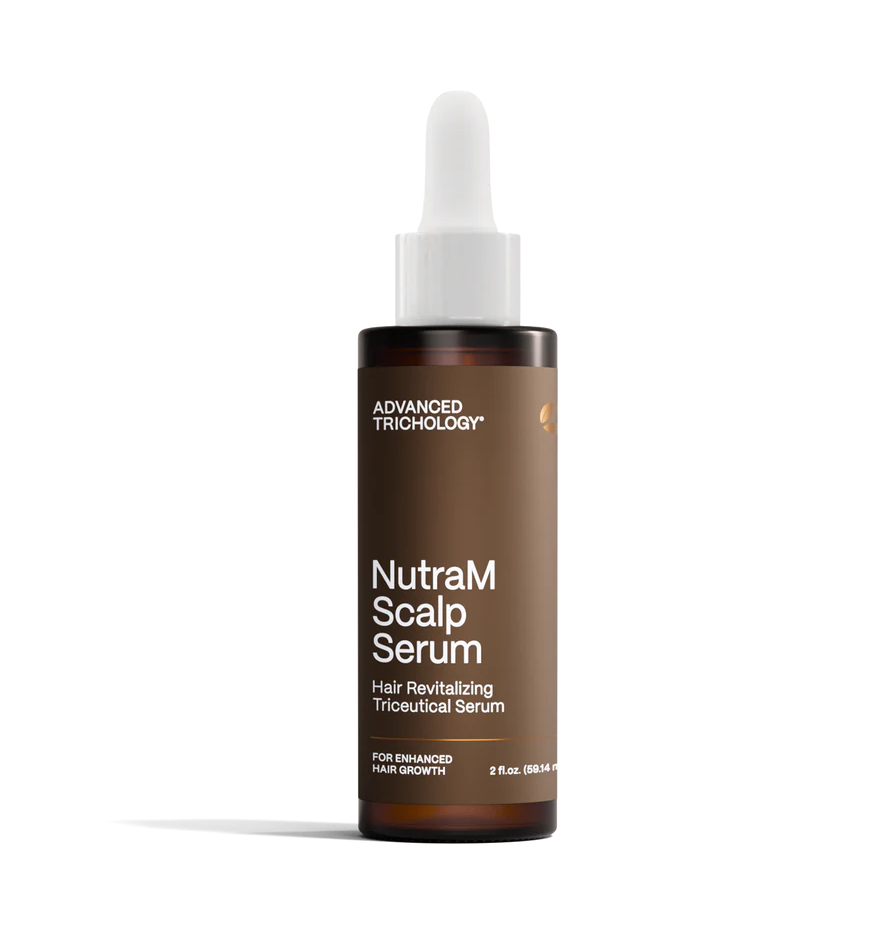
One combination we find particularly effective is pairing methylene blue with topical melatonin. While methylene blue works at the mitochondrial level to support follicle cell health, topical melatonin works directly at the follicle to extend the growth phase and reduce shedding. Together, they address hair loss from two complementary angles — cellular energy and hormonal signaling — which is why this pairing shows up frequently in our protocols.
What to Expect
Because methylene blue works at the cellular level, results are gradual rather than dramatic. Patients who incorporate it as part of a comprehensive protocol typically describe improvements in …
overall energy and vitality first
hair-related benefits becoming noticeable over several months as follicle health improves
It is not a standalone hair loss treatment. It is best understood as cellular support that creates a more favorable environment for the other treatments in your plan to work.
Frequently Asked Questions
Is methylene blue safe?
When pharmaceutical-grade methylene blue is used under professional supervision, it has a well-established safety profile. It is not appropriate for everyone, and dosing matters. This is why we evaluate each patient individually before incorporating it into a protocol.
How is methylene blue administered?
This depends on the protocol. It can be taken orally or used topically depending on the goal and the patient's overall plan.
How long does it take to see results for hair?
Because it supports the underlying cellular environment rather than directly stimulating growth, timelines vary. Most patients see supportive benefits as part of a broader protocol over three to six months.
Is this the same as the blue dye used in fish tanks?
No. Methylene blue used for aquariums or industrial purposes is not safe for human use. NHLMA uses only pharmaceutical-grade, medically sourced methylene blue.
Ready to Learn More?
If you are curious about whether methylene blue belongs in your hair restoration plan, we would love to have that conversation. Book a consultation at our Scottsdale location or virtually and we will evaluate your full picture before making any recommendations.
More Resources For Hair Growth