
Is There A Connection Between Sunscreen and Hair Loss?
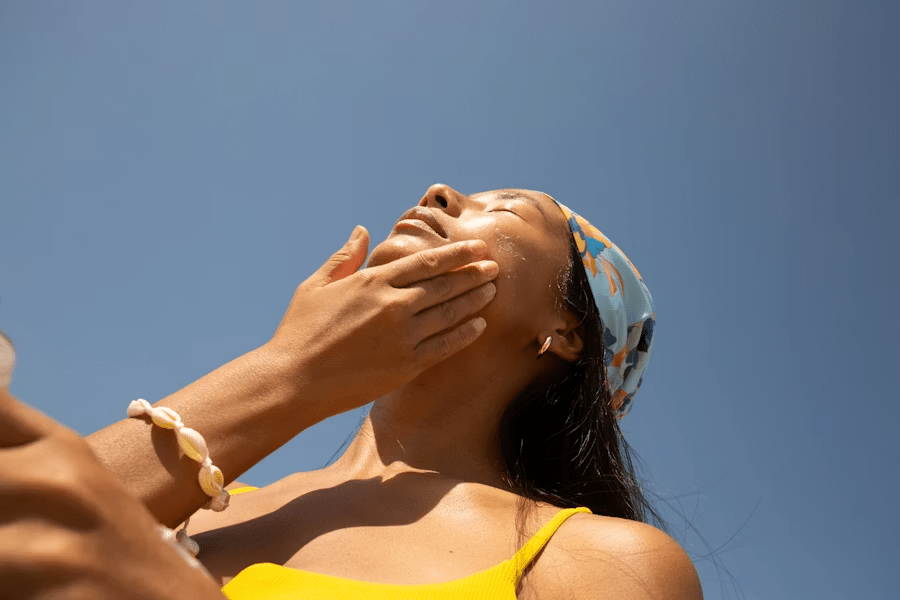
Is SPF Hurting Your Hairline?
When we think about hair loss, most of us jump straight to genetics, hormones, or stress. But one factor people rarely consider is sun exposure and how it affects the scalp and hairline, especially when hair is thinning.
So, let’s break down what we actually know about sun, sunscreen, and hair loss in simple terms.
How the Sun Can Affect Hair and the Scalp
Hair does give the scalp some natural protection, but it’s not perfect, especially if you’re experiencing thinning or a receding hairline.
Here’s what research shows:
UV rays can damage hair, making it drier, weaker, and more likely to break
Sun exposure can also impact the scalp, causing inflammation or irritation
In some studies, UV exposure has been linked to changes in the hair follicle that may affect growth over time
Think of UV damage like “aging” for both hair and the scalp. If hair is already fragile or sparse, the sun can make things worse.
So is there a link between Sunscreen and Hair Loss?
You may have seen headlines or TikToks warning that sunscreen causes hair loss - especially around the hairline. Here’s the truth:
Some studies have found that people with a condition called frontal fibrosing alopecia (FFA) were more likely to report using sunscreen or skincare products on the face
This led to the theory that sunscreen or certain ingredients might trigger irritation or inflammation in some people
But, and this is important, researchers are not sure if sunscreen is actually the cause. Many of these studies show a “connection” but not clear proof.
There are also other explanations, such as:
People who use sunscreen more often tend to take care of their skin, so they may just notice changes sooner
Some sunscreens may be irritating to sensitive skin, especially sprays and fragranced products used near the hairline
So far, there isn't strong evidence that sunscreen directly causes hair loss.
Should You Put SPF on Your Scalp?
If you have full, dense hair, your scalp is naturally protected most of the time. If you're thinning or have a receding hairline, your scalp is more exposed, which means more risk of sun damage.
What we recommend:
Use hats or physical protection when you’re in direct sunlight for long periods
If you use sunscreen, choose formulas made for scalp or sensitive skin, ideally mineral-based and non-irritating
Avoid heavy sprays and thick creams directly on the hairline if they cause redness, itching, or flaking
Bottom line: protecting your scalp from UV is helpful, just be mindful of what products you use.
What About Prevention and Hair Growth?
If someone is dealing with thinning, early hairline recession, or ongoing hair loss, sun protection can be part of a bigger prevention strategy, along with:
Gentle scalp care
Scalp Microneedling, PRP, or regenerative treatments like exosomes or stem cell banking.
Nutritional or hormonal support when needed
Stress management and lifestyle changes
UV damage won’t be the main cause of hair loss, but reducing irritation and inflammation can support healthier growth.
Our Hair Restoration Approach at NHLMA
We help clients build long-term, personalized hair growth plans to support and protect the scalp. That means looking at:
Genetics
Hormones
Inflammation
Lifestyle
Environmental exposure
And overall scalp health
Because hair loss is never just one thing and neither is recovery. If you’re noticing thinning, increased shedding, or changes to your hairline, we can help you figure out what’s going on and create a treatment plan that makes sense for your body and goals.
Final Takeaway
The sun can harm hair and the scalp, especially when hair is thinning. Sunscreen isn’t clearly proven to cause hair loss, but some formulas may irritate sensitive skin. Protect your scalp, pay attention to products that cause irritation, and think of hair health as an inside-out process.
If you want support in understanding what's causing your hair changes, or you’re curious about treatments that work - we’re here to help so book a free hair loss consultation below.