
HAIR SERVICES
Genetic Saliva Test For Hair Loss in Men and Women
. VISIT US
7000 E Shea Blvd, Ste C-1580, Scottsdale, AZ 85254
. CONTACT
Reviewed by our Medical Director, alongside our certified trichologist.
Smarter hair loss treatment starts with your DNA. NHLMA offers cutting-edge Genetic Saliva Testing for Hair Loss as a fundamental first step in developing a truly personalized and effective hair restoration strategy.
This non-invasive diagnostic tool moves beyond traditional, one-size-fits-all treatments by analyzing an individual's unique DNA, providing deep, actionable insights into the underlying causes of their hair thinning and their specific biological response to treatment.
Prefer testing at home? Shop our genetic saliva testing kit.
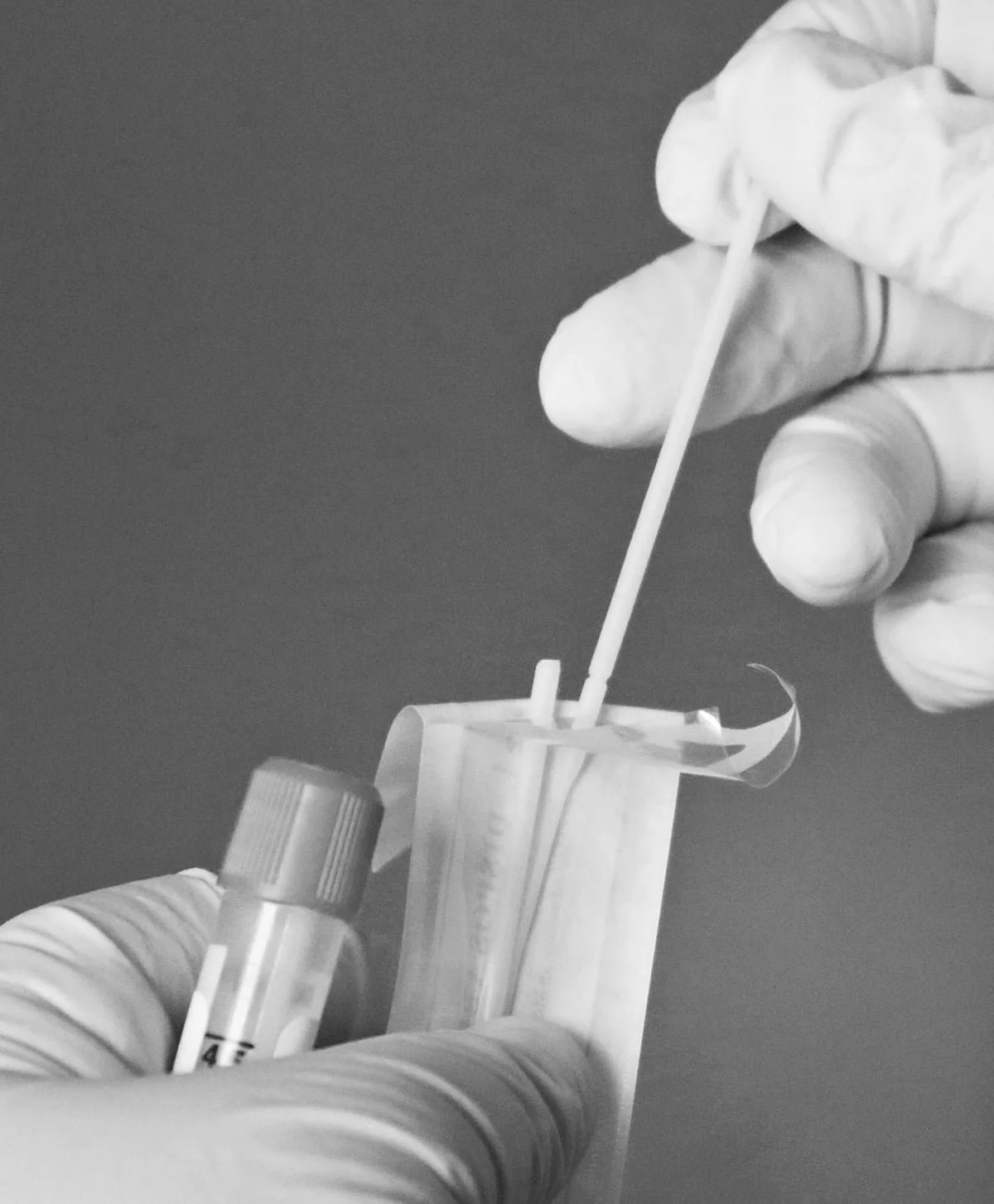
The Details
Our genetic test for hair loss is a game-changer for hair loss treatment, providing a personalized treatment plan that uses your unique DNA to eliminate the frustration of trial and error.
By analyzing your genetic data, this test precisely identifies the most effective medications and compounds for your biological needs, helping your provider choose the optimal treatment from day one. This scientific approach ensures you avoid ineffective solutions and potential side effects, allowing you to accelerate results and achieve significant, successful hair restoration much faster than with traditional, generic methods.
Learn more about how genetic saliva testing works and what markers it evaluates.
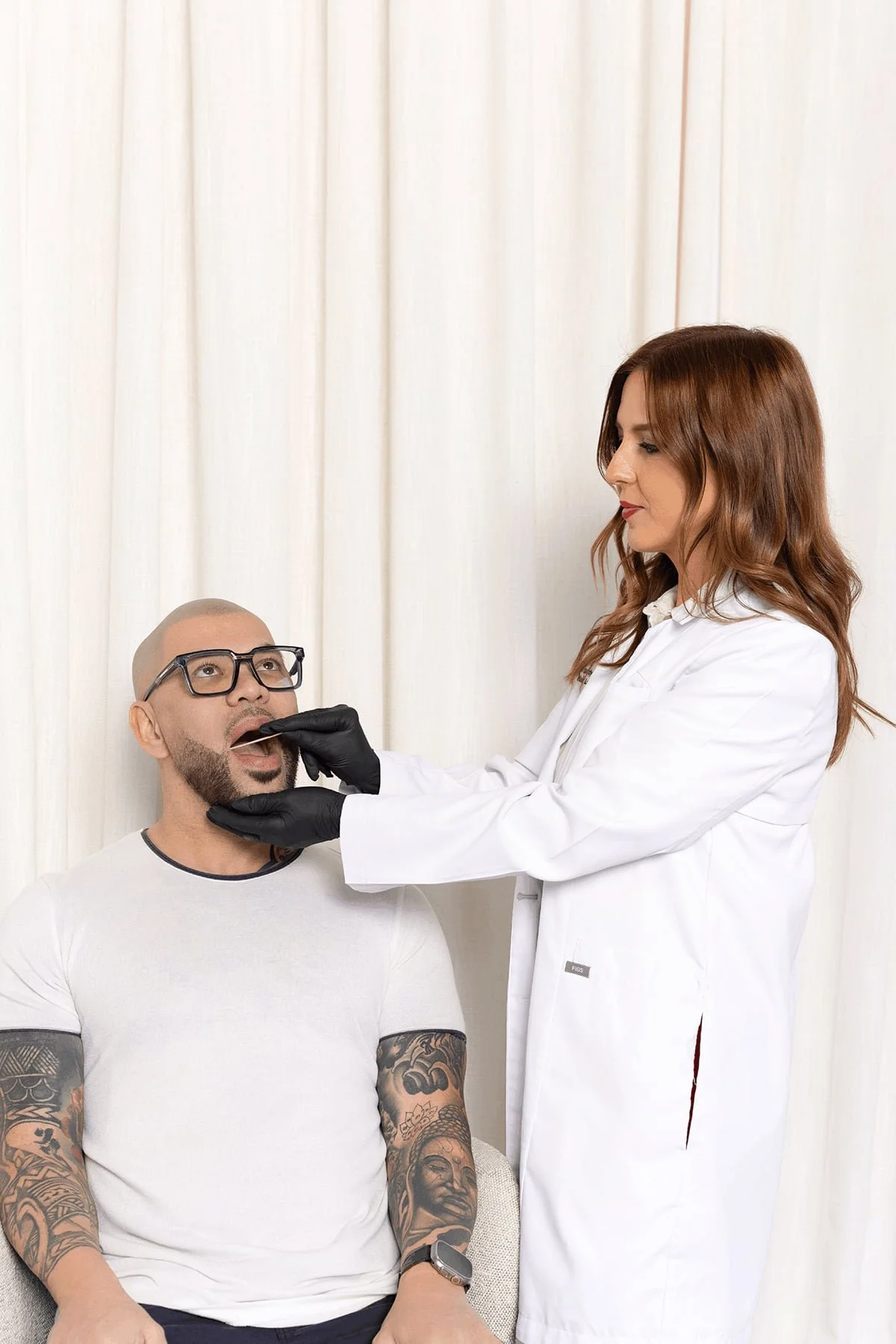
What We Test For
Genetic saliva testing analyzes key biological markers that influence how your hair follicles grow, respond to hormones, and recover from stressors. These insights help create treatment plans tailored to your unique biology.
-
Evaluates how your hair follicles respond to hormones like DHT, a leading contributor to pattern hair thinning and follicle miniaturization.
-
Assesses genetic patterns linked to scalp inflammation that may disrupt follicle health and slow hair growth cycles.
-
Identifies how your body absorbs and utilizes nutrients essential for hair growth, including vitamins, minerals, and amino acids.
-
Analyzes genetic influences on the length and strength of your hair growth phases and follicle resilience over time.
-
Evaluates your body’s ability to protect hair follicles from environmental stress and support healthy cellular regeneration.
-
Provides insight into how your biology may respond to regenerative therapies, supplements, and topical or systemic treatments.
FAQs on Genetic Saliva Testing For Hair Loss
-
Genetic saliva testing is ideal for individuals experiencing hair thinning, shedding, pattern hair loss, or those with a family history of hair loss who want a more personalized treatment approach. It is especially helpful for patients who have tried treatments without success or want to identify underlying biological factors before beginning a hair restoration plan.
-
The test uses a simple saliva sample to analyze genetic markers linked to hair growth, follicle sensitivity, hormone response, inflammation patterns, and nutrient processing. These insights help providers understand why hair loss is occurring and guide the selection of treatments that are more likely to be effective for your unique biology.
-
Genetic testing can identify predispositions to androgen sensitivity, inflammatory scalp conditions, nutritional absorption challenges, and other biological factors that influence hair follicle health. This allows treatment plans to move beyond trial-and-error and focus on targeted, evidence-based solutions.
-
No, Genetic saliva testing is a diagnostic tool used to guide treatment selection. The results help determine which therapies, such as PRP, exosomes, laser therapy, supplements, or topical solutions, may be most effective based on your individual genetic profile.
-
Results are typically available within a few weeks after the sample is submitted. Once results are received, your provider reviews them with you and develops a personalized treatment strategy designed to optimize hair growth outcomes.

Start with answers to build a treatment plan that works.
Genetic saliva testing allows us to identify the biological drivers of your hair loss and design a personalized restoration strategy guided by science, not trial and error.