
PRF Under Eyes in Scottsdale: What to Know Before You Book
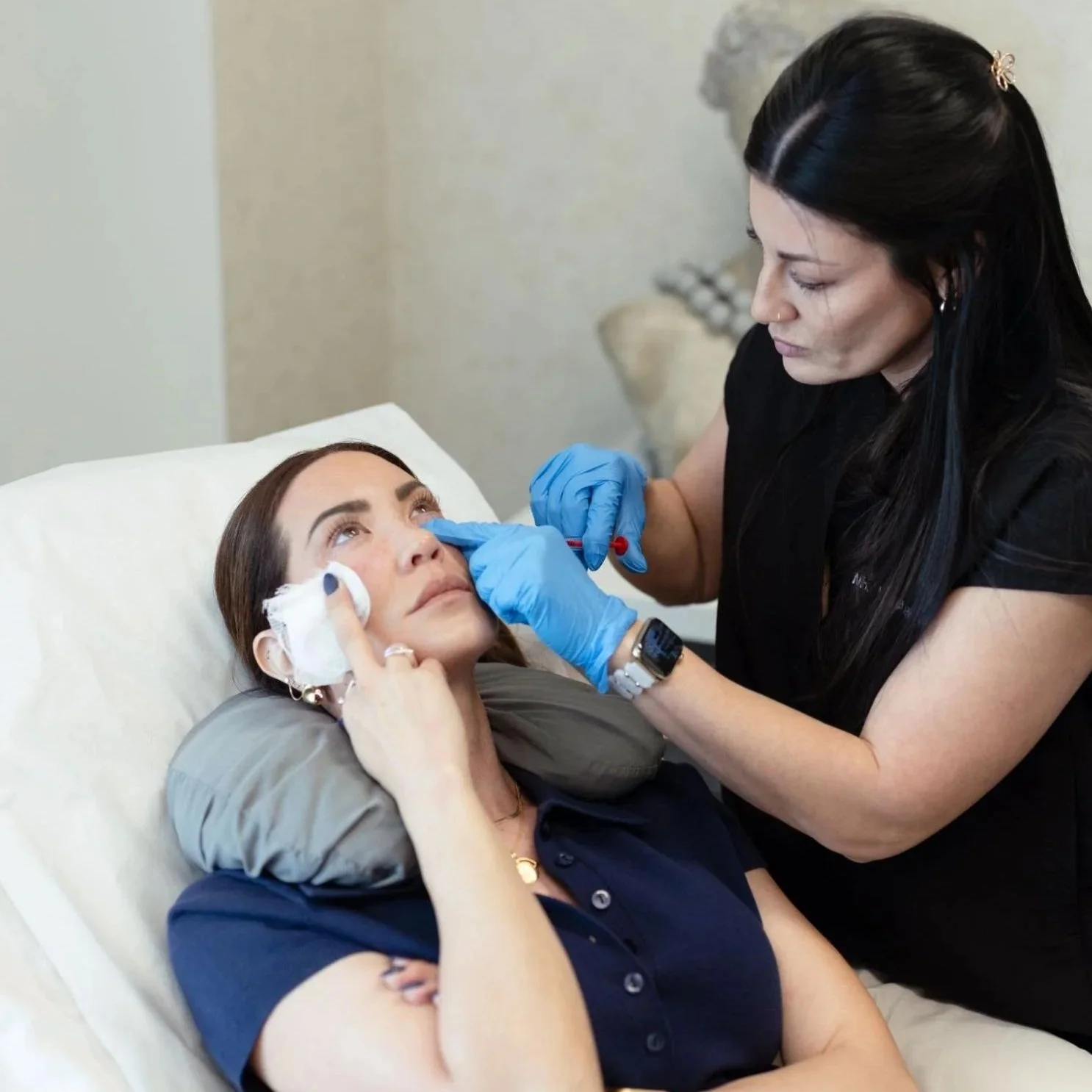
If you have tried every eye cream on the market and still feel like your under-eye area is aging faster than the rest of your face, you are not alone, and you are not imagining it.
The skin under the eyes is the thinnest on the entire face. It loses collagen and volume faster than anywhere else, and once that hollowness or darkness sets in, topical products can only do so much. PRF under eye treatment is one of the most effective non-surgical options available for addressing this, and it is one of the services we offer at our Scottsdale location.
Here is the honest breakdown of what it does and who it is actually right for.
What Is PRF?
PRF stands for platelet-rich fibrin. It is a next-generation evolution of PRP (platelet-rich plasma) that uses your own blood to create a concentrated healing solution that is then injected into the treatment area.
Here is how it differs from PRP. Both treatments involve drawing a small amount of your blood and spinning it in a centrifuge to separate the components. PRP isolates the plasma layer and its growth factors. PRF takes this further, it is spun at a slower speed and without anticoagulants, which produces a fibrin matrix that traps a higher concentration of platelets, growth factors, and white blood cells. The result is a more potent and longer-lasting regenerative effect at the injection site.
In practical terms, PRF releases its growth factors slowly over time rather than all at once, which means the regenerative process continues in the tissue for days and weeks after the treatment rather than just in the immediate window post-injection.
What PRF Does for the Under-Eye Area
The under-eye area ages the way it does for a few distinct reasons:
loss of collagen and elastin
thinning of the skin
reduction in fat volume beneath the surface
and in some cases, visible blood vessels that create the appearance of darkness.
PRF addresses several of these simultaneously. The concentrated growth factors stimulate collagen production in the treated area, which gradually thickens and firms the skin over the following weeks. The fibrin matrix also improves local circulation and tissue quality, which can reduce the translucency that makes blood vessels visible underneath the skin.
Because PRF uses your own biological material, it also integrates into the tissue rather than sitting on top of it. This makes it particularly well-suited for the delicate under-eye area, where foreign fillers can sometimes create the bluish discoloration known as the Tyndall effect.
Results build gradually rather than appearing immediately, which is one of the things that makes PRF look natural. Most patients notice meaningful improvement in skin quality, thickness, and the appearance of darkness and hollowness over a period of four to eight weeks following treatment.
PRF vs. Filler Under the Eyes
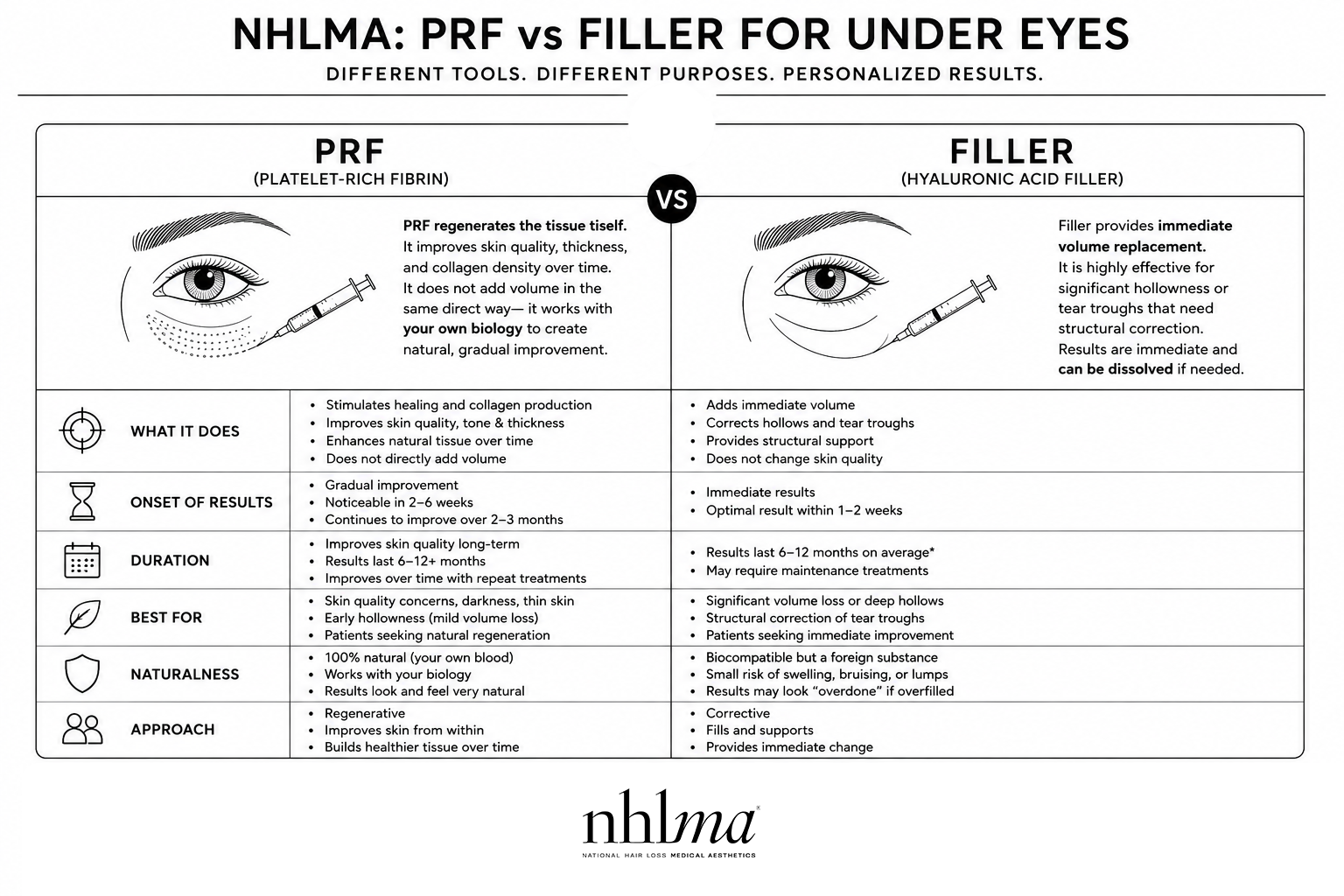
This is one of the most common questions we get, and the honest answer is that they are different tools for different concerns.
Hyaluronic acid filler provides immediate volume replacement and is highly effective for significant hollowness or tear troughs that need structural correction. The results are immediate and can be dissolved if needed.
PRF does not add volume in the same direct way, so think of PRF as filler’s smarter cousin. Instead it regenerates the tissue itself, improving skin quality, thickness, and collagen density over time. For patients whose primary concern is skin quality, darkness, or early hollowness rather than significant volume loss, PRF often produces results that look and feel more natural precisely because it works with your own biology rather than adding a foreign substance.
Many patients benefit from a combination approach. The right recommendation depends on your anatomy and what you are trying to achieve, which is something we assess in person.
What to Expect at Your Appointment
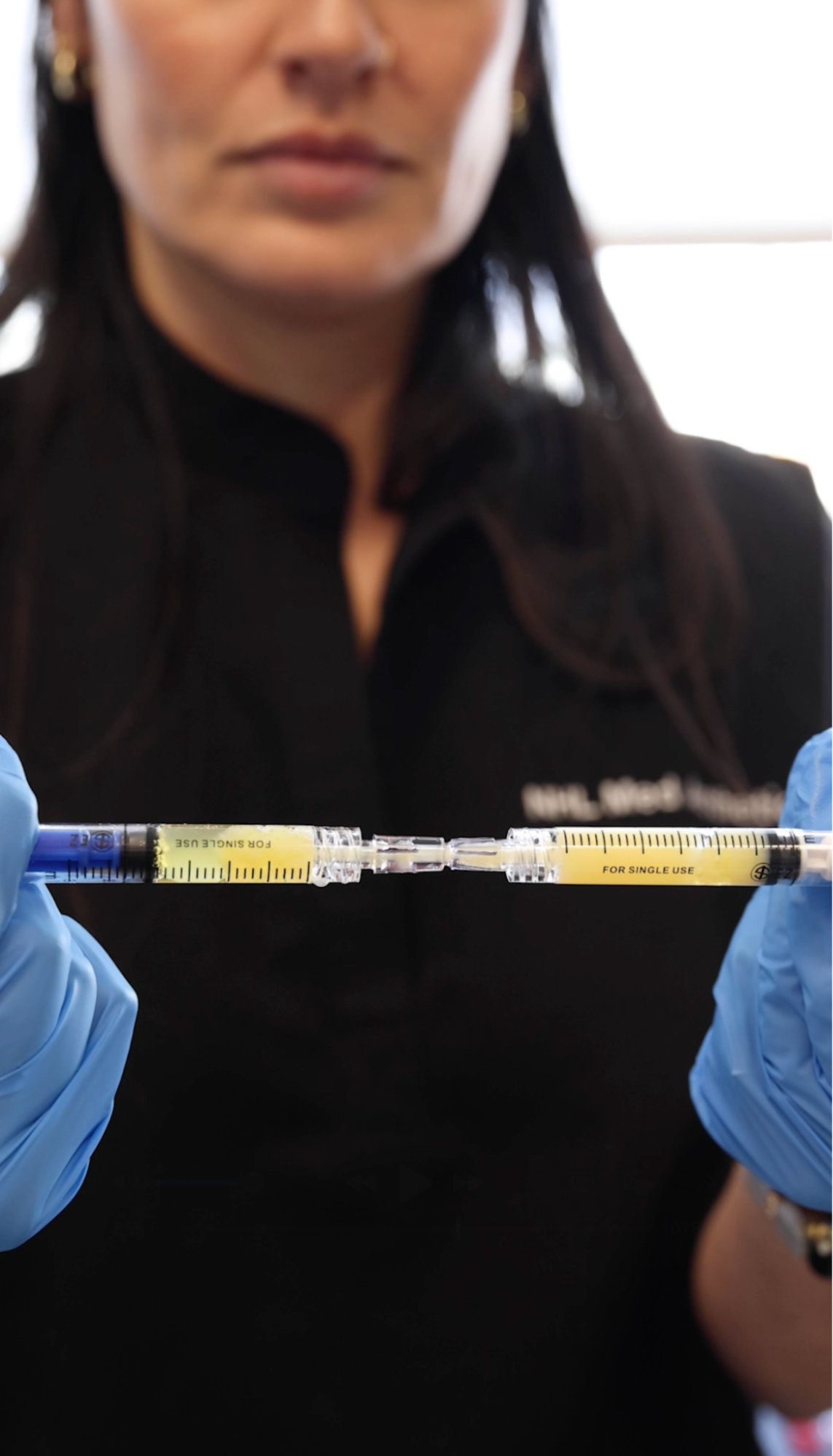
The process begins with a small blood draw, typically from the arm. The blood is then processed in a centrifuge for a few minutes to separate and concentrate the PRF. The treatment area is numbed with topical anesthetic before the PRF is injected into the under-eye area using a fine needle or cannula.
The appointment typically takes about 45 to 60 minutes from start to finish. There is some swelling and mild bruising in the days following treatment, which is a normal part of the process as the PRF integrates into the tissue. Most patients feel comfortable returning to normal activities within a few days.
Results become progressively more visible over four to eight weeks as collagen production increases and the tissue improves. A series of two to three treatments spaced four to six weeks apart typically produces the most comprehensive outcome, though many patients see meaningful results after a single session.
Who Is a Good Candidate?
PRF under eye treatment works well for people dealing with mild to moderate hollowness or darkening under the eyes that is related to skin thinning or poor circulation rather than significant structural volume loss, anyone who has reacted poorly to fillers or prefers to avoid foreign substances, people looking for gradual, natural-looking improvement rather than an immediate dramatic change, and patients who want to improve overall skin quality in the under-eye area rather than just address one specific concern.
It is not the right tool for everyone. Patients with significant volume loss or deep tear troughs may see better results with filler, or with a combination approach. We evaluate each patient individually to recommend what actually makes sense for their anatomy and goals.
Frequently Asked Questions
How long do PRF under eye results last?
Because PRF stimulates your own collagen production rather than adding a foreign substance, the results integrate into your tissue permanently in the sense that the collagen you build is your own. However, the aging process continues, so most patients return for a maintenance treatment once a year or so to sustain and build on their results.
Is PRF under the eyes painful?
The area is numbed with topical anesthetic before treatment, which significantly reduces discomfort. Most patients describe the sensation as mild pressure rather than pain. The under-eye area is sensitive and some discomfort during injection is normal, but it is generally very well tolerated.
How is this different from a vampire facial?
A vampire facial typically refers to PRP applied to the surface of the skin after microneedling, rather than injected beneath it. PRF under eye treatment is an injectable treatment targeting the deeper layers of tissue beneath the skin, which is a different mechanism and a different outcome.
Can I combine PRF with other treatments?
Yes. PRF under eyes pairs well with other regenerative and aesthetic treatments. If you are already a patient at NHLMA for hair restoration or medical aesthetics, it is worth discussing whether PRF fits into your broader treatment plan during your next visit.
How much does PRF under eye treatment cost in Scottsdale?
Pricing varies depending on the number of sessions and whether PRF is combined with other treatments. The best way to get an accurate quote is to book a consultation so we can evaluate your specific anatomy and goals before making a recommendation.
Ready to See What PRF Can Do for Your Under Eyes?
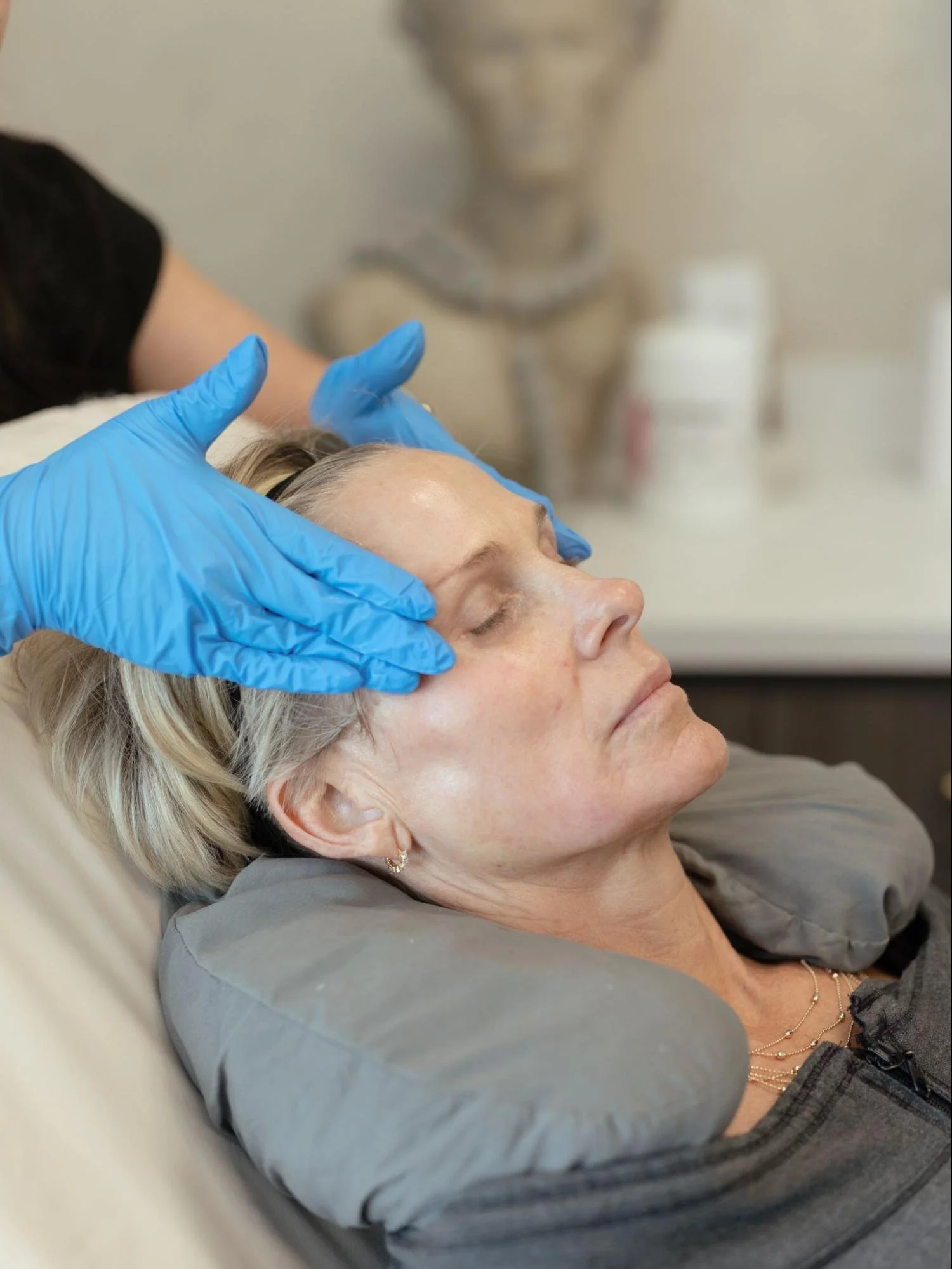
PRF under eye treatment is available at NHLMA in Scottsdale today! If you are curious whether it is the right fit for your concerns, book a consultation and we will give you an honest assessment of what to expect and what we actually recommend for your situation.

Written by the Hair Loss and Skin Experts at NHLMA
Founded in 2007, National Hair Loss Medical Aesthetics is the leading Scottsdale-based practice specializing in the science of hair restoration and medical aesthetics.
At NHLMA in Scottsdale, our clinicians don't guess. They diagnose. Using functional medicine, advanced diagnostics, and the latest regenerative treatments, our team identifies what your skin actually needs. Then builds a protocol around it. This is what we do every day.