
Hair Loss in Women: Causes, Types, and What Actually Helps
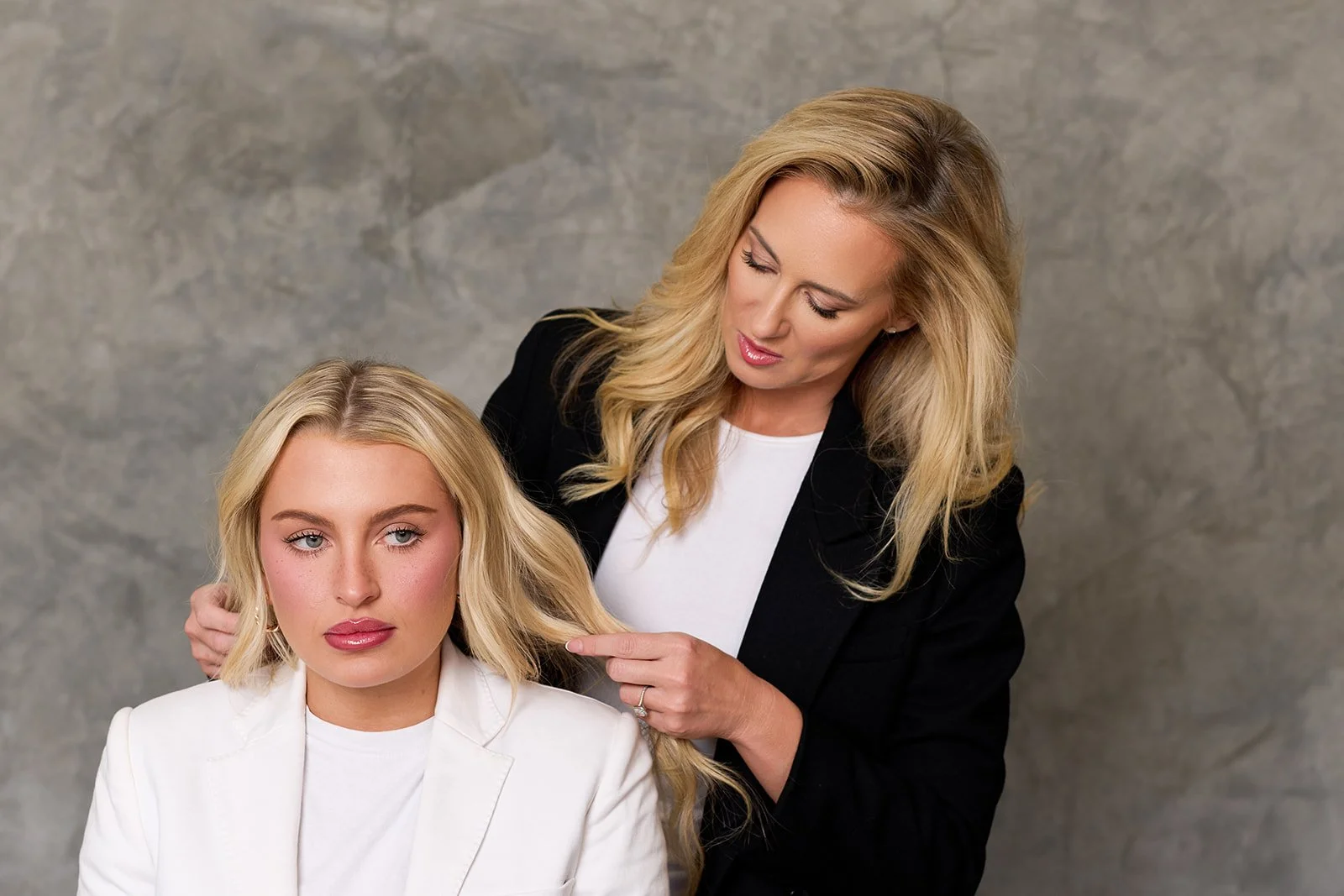
Hair loss in women is far more common than most people realize, and far more undertreated.
While pattern baldness in men gets most of the cultural attention, roughly 40% of women experience noticeable hair loss by age 50. Many more deal with shedding, thinning, or changes in density at some point in their lives, often connected to hormonal shifts, nutritional gaps, stress, or underlying health conditions that never get properly identified.
The reason so many women go without answers is that female hair loss is genuinely more complex than male pattern hair loss. It rarely presents the same way twice, it often has multiple contributing factors happening simultaneously, and because it tends to show up as diffuse thinning rather than a receding hairline, it can be harder to spot and easier to dismiss, including by healthcare providers, who are not specialists in hair loss.
If you are losing hair and looking for reliable information, this is where to start.
Why Women Lose Hair: The Main Causes
Androgenetic Alopecia (Female Pattern Hair Loss)
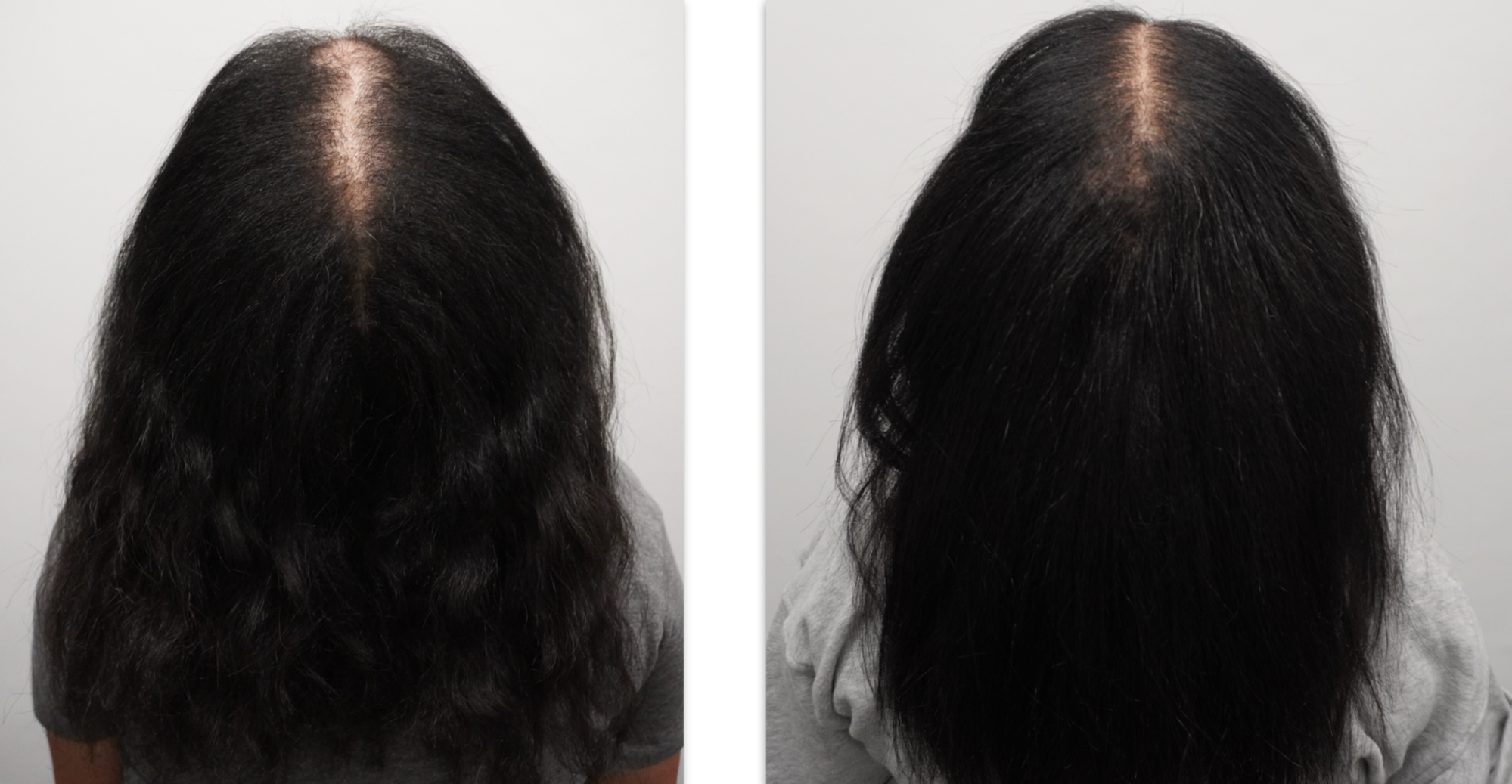
6 Month Before & After - For this patient who has genetic female hair loss we used medical-grade laser therapy, minoxidil, exosomes, and Vitamin D supplements to regrow her hair.
This is the most common form of hair loss in women and it is driven by a combination of genetics and hormonal sensitivity. Unlike the hairline recession seen in men, female pattern hair loss typically presents as widening at the part line and gradual thinning across the top of the scalp while the hairline stays relatively intact.
The underlying mechanism involves dihydrotestosterone (DHT), a derivative of testosterone that causes follicles to miniaturize over time. Women produce testosterone in smaller amounts than men, but for those with genetic sensitivity to DHT, even those lower levels can be enough to trigger progressive thinning.
Female pattern hair loss tends to become more apparent after menopause, when estrogen levels drop and the relative influence of androgens increases. But it can begin much earlier, particularly in women with a family history.
Telogen Effluvium
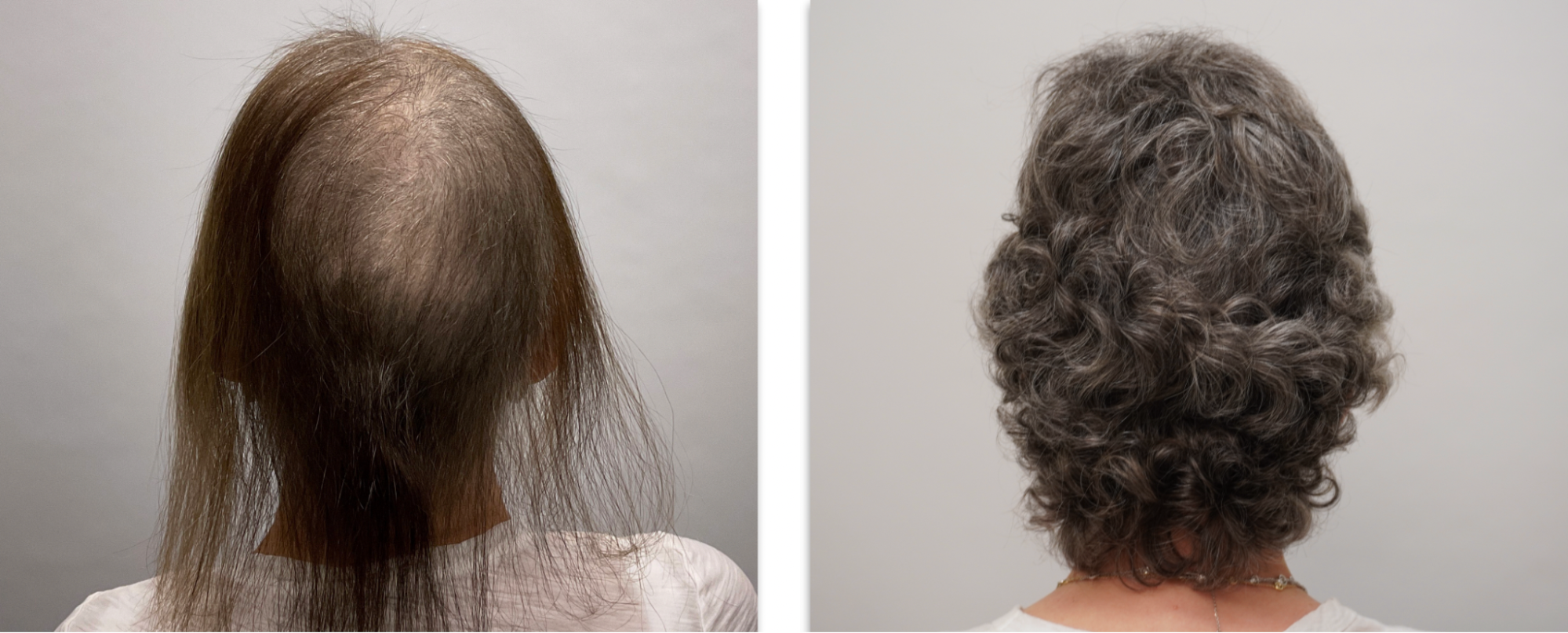
6 Month Before & After - For this patient who has telogen effluvium we used medical-grade laser therapy to regrow her hair.
Telogen effluvium is one of the most common types of hair loss women experience and one of the most frequently misunderstood. It occurs when the body experiences a significant stressor, physical or emotional, that pushes a large number of hair follicles out of the active growth phase and into the resting phase simultaneously. The result is diffuse shedding, typically appearing two to four months after the triggering event.
Common triggers include childbirth, illness, surgery, rapid weight loss, nutritional deficiency, or prolonged psychological stress. Because of the timing delay, women often cannot connect the shedding to its actual cause and end up attributing it to the wrong thing.
The good news is that telogen effluvium is usually reversible once the trigger is identified and addressed. Our post on stress and hair loss goes deeper on this mechanism and what the recovery timeline looks like.
Hormonal Hair Loss
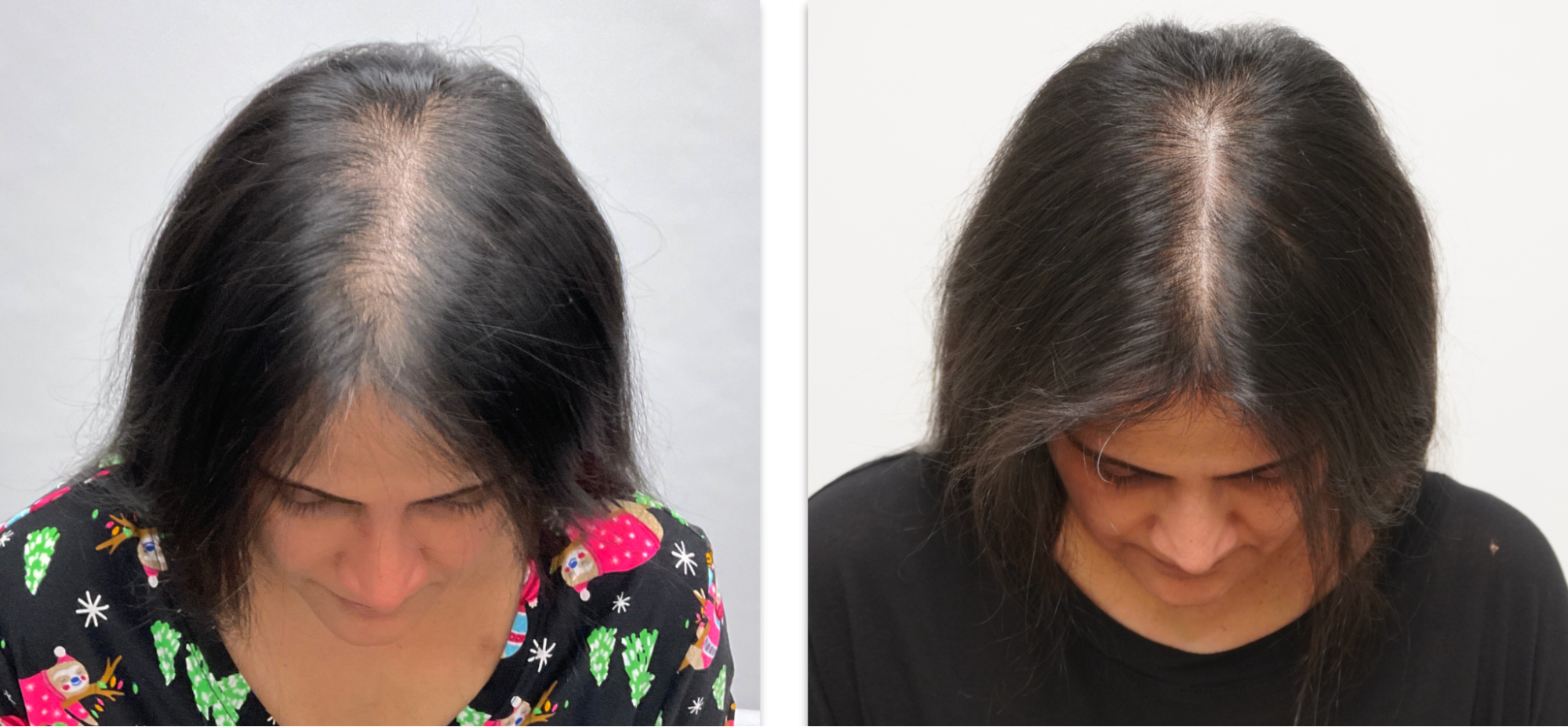
1 Year Before & After - For this patient who has genetic hair loss we used medical-grade laser therapy, exosomes, and minoxidil to regrow her hair.
The hormonal drivers of female hair loss go well beyond DHT. Thyroid dysfunction, both hypothyroidism and hyperthyroidism, is a significant and frequently missed cause of hair shedding in women. Thyroid hormones play a direct role in hair follicle cycling, and even subclinical thyroid imbalances can cause noticeable changes in hair density.
Postpartum hair loss is another common presentation. During pregnancy, elevated estrogen keeps more hair in the growth phase than usual, which is why many women notice their hair feeling fuller. After delivery, estrogen drops sharply and those follicles shift into the resting phase together — producing the wave of shedding that typically peaks around three to four months postpartum. This is normal and usually self-resolving, though it can be alarming in the moment.
Polycystic ovary syndrome (PCOS) is another hormonal condition closely tied to hair loss. Elevated testosterone in women with PCOS can accelerate follicle miniaturization in a pattern that resembles androgenetic alopecia.
Perimenopause and menopause bring their own hormonal landscape changes that many women are not warned about. The shift in estrogen and progesterone levels that happens during this transition often shows up in the hair before it shows up anywhere else.
Nutritional Deficiencies
Hair follicles are among the most metabolically active structures in the body, which means they are highly sensitive to nutritional gaps. The most common deficiencies linked to female hair loss are iron and ferritin, vitamin D, zinc, and B vitamins.
Ferritin is particularly important and frequently overlooked. Standard iron panels often come back in the normal range while ferritin, the protein that stores iron, remains low enough to impair hair growth. A functional workup that specifically includes ferritin is essential for any woman experiencing unexplained shedding.
Crash dieting and rapid weight loss are common triggers for telogen effluvium because they create sudden nutritional stress for the follicle. If you have recently changed your diet significantly or are on a GLP-1 medication for weight management, hair shedding can be a side effect worth discussing with your provider.
Scalp Conditions and Inflammation
Chronic scalp inflammation, whether from seborrheic dermatitis, psoriasis, or other conditions, can disrupt the follicle environment and contribute to hair loss over time. An unhealthy scalp is a less hospitable environment for hair growth, which is why scalp health is an important piece of any hair restoration approach.
Medications
Certain medications can contribute to hair loss in women, including some antihistamines, blood thinners, antidepressants, and hormonal contraceptives. If you started a new medication and noticed shedding a few months later, that timing is worth flagging with your provider.
We also offer a genetic test for hair loss that is a game-changer for hair loss treatments, providing a personalized treatment plan that uses your unique DNA to eliminate the frustration of trial and error. By analyzing your genetic data, this test precisely identifies the most effective medications and compounds for your biological needs, helping your provider choose the optimal treatment from day one. This scientific approach ensures you avoid ineffective solutions and potential side effects, allowing you to accelerate results and achieve significant, successful hair restoration much faster than with traditional, generic methods.
How to Know What Is Causing Your Hair Loss
The honest answer is that you often cannot know without testing. Female hair loss is almost always multifactorial — meaning two or three things are contributing at once — and the only reliable way to understand what is actually happening is through a comprehensive clinical evaluation.
That evaluation should include a thorough health history, a scalp assessment, and when necessary can include lab work that goes beyond a standard panel. Our detailed panels include thyroid function, Ferritin and Iron, Vitamin D, B12, Folate, A1c,Copper, Zinc and standard CBC. Hair Follicle & Lab Testing gives us valuable puzzle pieces which may be otherwise missed.
We can still help patients get a good handle on what is causing hair loss without comprehensive labs, as well. Our consults are very in-depth and oftentimes, our patients have labs already drawn that they can share with us.
Skipping this step and going straight to supplements or treatments based on guesswork is one of the most common reasons women spend years without real progress on their hair loss.
Treatment Options for Women
Once the root cause is identified, the treatment path becomes much clearer. Here is an overview of the main options we work with at NHLMA.
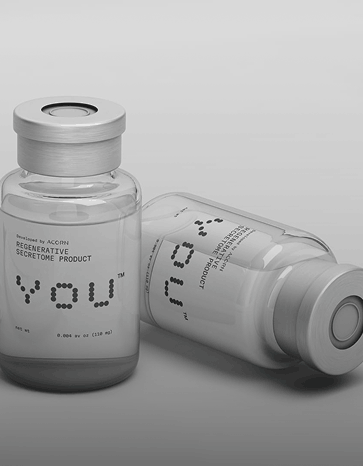
Regenerative Treatments: Exosomes and Secretomes
For women dealing with active hair loss or significant thinning, regenerative treatments are often the most impactful clinical option we offer. Secretomes are a next-generation evolution of this approach. Rather than delivering whole exosomes, secretome therapy uses the full spectrum of bioactive molecules secreted by stem cells — growth factors, peptides, and signaling proteins — to create a more comprehensive regenerative response in the follicle. For the right candidate, secretomes can produce results that go beyond what exosomes alone achieve. We cover who is a good candidate and what results look like in detail in our dedicated post.
Exosome therapy works by delivering concentrated growth factors and cellular signals directly to the follicle environment, stimulating regrowth and improving the overall health of the scalp at a biological level. It is one of the most well-researched regenerative approaches available for hair restoration right now.
Both options work best as part of a broader protocol rather than in isolation, and the right choice between them depends on your individual clinical picture.
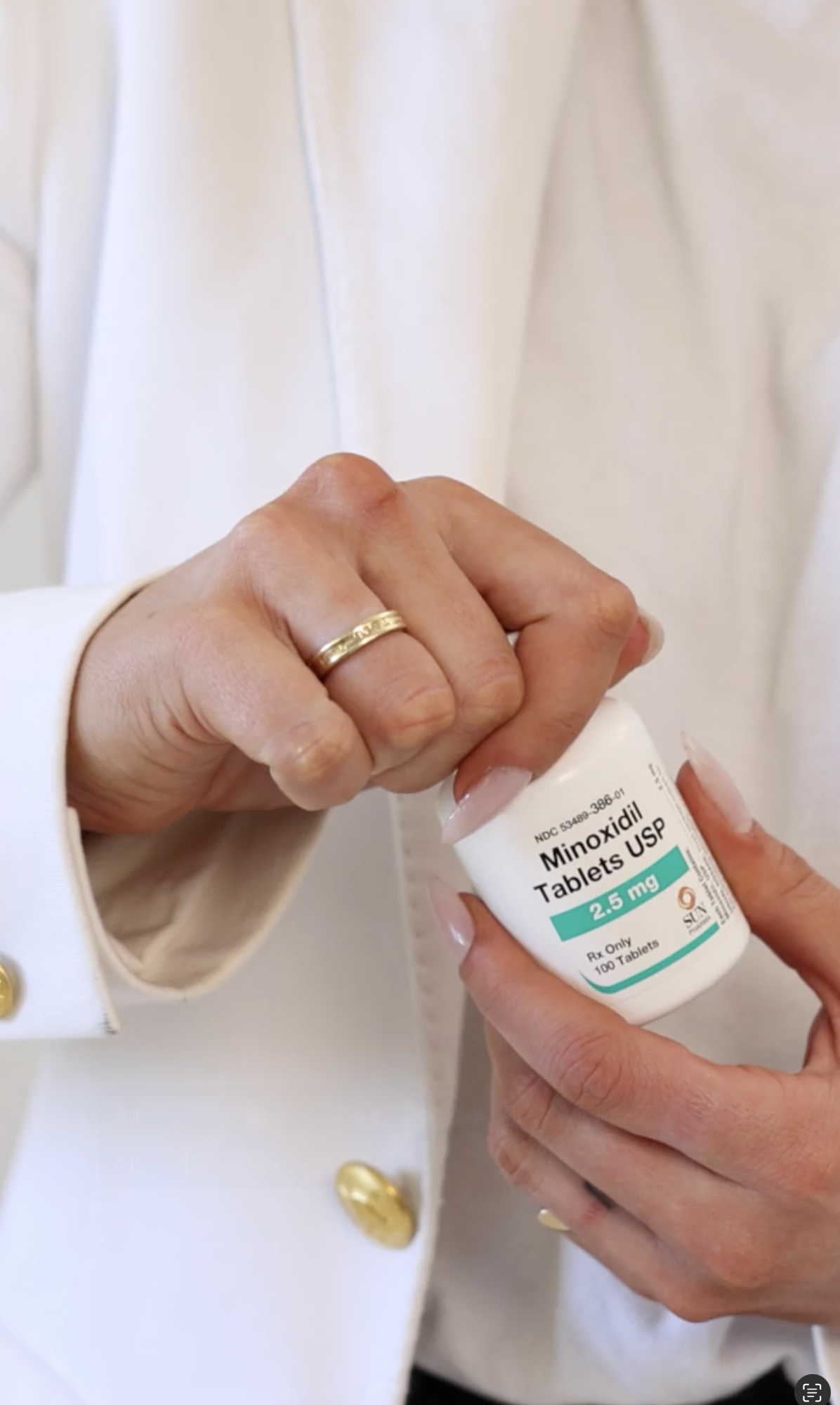
Medications: Topical and Oral Minoxidil
Minoxidil remains one of the most well-studied medications for female hair loss and is a cornerstone of many treatment plans. It works by prolonging the active growth phase of the follicle and increasing blood flow to the scalp.
Topical minoxidil is applied directly to the scalp once or twice daily and is generally well-tolerated by most women. Our office works directly with a compound pharmacy to formulate a Prescription strength version that is a step beyond what is found over the counter. Consistency matters with topical minoxidil — results develop gradually over several months and require ongoing use to maintain. Check-ins can be done to gauge efficacy, but we ultimately use Medical Grade Laser to stabilize hair loss so our patients don’t need to continue the use of minoxidil indefinitely.
Oral minoxidil is a newer approach that has gained significant traction in clinical hair loss treatment. At low doses, it produces meaningful improvements in hair density for many women with fewer scalp-related side effects than the topical version. It does require a prescription and ongoing monitoring, and is not appropriate for everyone. If you are curious whether oral minoxidil is a fit for your situation, that conversation is best had during a clinical evaluation where we can look at your full health picture.
We also use topical melatonin as a non-pharmaceutical complement to minoxidil for women who want additional follicle support or for those who are too sensitive for Minoxidil.

At-Home Support: Shampoo and Scalp Care
What you use daily matters more than most people realize. The scalp environment, like its pH, circulation, and inflammatory status, directly affects how well clinical treatments perform. Supporting that environment at home is an important piece of the picture.
We recommend starting once a week with the Mane Ivy Second Wind Hair Double Cleanse ($39.99): a deep reset that uses papaya enzymes and castor oil to clear buildup, excess oil, and environmental residue from the scalp.
Follow with the Kevin Murphy Stimulate Me Wash ($34.95), a daily shampoo formulated with camphor crystals, black pepper, and bergamot to stimulate circulation and support a clean, energized scalp environment.
Finish with the Ochre Beauty Essential Conditioner ($42.95), which uses the proprietary PAR Formula™ (plant esters, algae extract, and rosebay) to balance the scalp microbiome, calm inflammation, and hydrate without weighing hair down.
Together, these three form a simple but clinically-minded home routine that keeps the scalp primed between treatments.
Our broader guide to scalp care for healthier, fuller hair covers the full daily routine we recommend.
Nutritional and Functional Support
Addressing the nutritional and hormonal drivers uncovered in testing is often the foundation of any effective treatment plan. This might include targeted supplementation, dietary changes, or working with your primary care provider or an endocrinologist on hormonal balance.
A full overview of the treatments available at our Scottsdale location is in our post on the best hair loss treatments in Scottsdale.
When to Seek Help
The most common mistake women make with hair loss is waiting too long. By the time thinning is visibly noticeable to others, a significant amount of follicle miniaturization has often already occurred. The earlier treatment begins, the better the outcome in almost every case.
If you are noticing more hair in the shower drain than usual, a widening part line, reduced ponytail thickness, or visible scalp through your hair, that is reason enough to book an evaluation. You do not need to wait until it feels severe.

Frequently Asked Questions
Is it normal to lose hair every day?
Yes. Losing between 50 and 100 hairs per day is considered within the normal range as part of the natural hair cycle. When daily shedding consistently exceeds that, or when you notice changes in density or coverage, it is worth having evaluated.
Can hair loss in women be reversed?
It depends on the cause and how early treatment begins. Hair loss driven by nutritional deficiencies, hormonal imbalances, or telogen effluvium is often largely reversible once the underlying cause is addressed. Androgenetic alopecia is progressive, but with the right treatment approach, it can be significantly slowed and in some cases partially reversed — particularly when caught early.
Does hair grow back after postpartum shedding?
For most women, yes. Postpartum telogen effluvium typically resolves on its own within six to twelve months as hormone levels stabilize. If shedding continues beyond that, or if you notice the regrowth is thinner than your pre-pregnancy hair, it is worth getting evaluated as there may be other factors at play.
Why is my hair falling out but my bloodwork is normal?
Standard bloodwork often misses the markers most relevant to hair loss. A normal CBC or basic thyroid panel does not rule out low ferritin, subclinical thyroid dysfunction, or hormonal imbalances that affect hair. A functional hair loss workup looks at a much broader set of markers.
What is the best treatment for female pattern hair loss?
There is no single best treatment because the right approach depends entirely on what is driving the hair loss. The most effective treatment plans are built around the individual's specific test results, health history, and goals. That is exactly what we do at NHLMA.
Ready to Get Real Answers?
Hair loss in women is treatable. The key is understanding what is actually driving it, not guessing, not waiting, and not accepting "it's just stress" as a complete answer.
At NHLMA, we specialize in getting to the root cause of hair loss through comprehensive testing and functional medicine, then building a treatment plan that addresses what is actually happening for you.

Written by the Hair Loss Experts at NHLMA
Founded in 2007, National Hair Loss Medical Aesthetics is the leading Scottsdale-based practice specializing in the science of hair restoration and scalp health.
Our team of clinicians combines functional medicine, advanced diagnostics, and the latest regenerative treatments to address hair loss at its root cause. Through a clinical, evidence-based lens, not guesswork or one-size-fits-all solutions. We are not just writing about this. It is what we do every day.