
Does Scalp Buildup Cause Hair Thinning? What the Research Shows
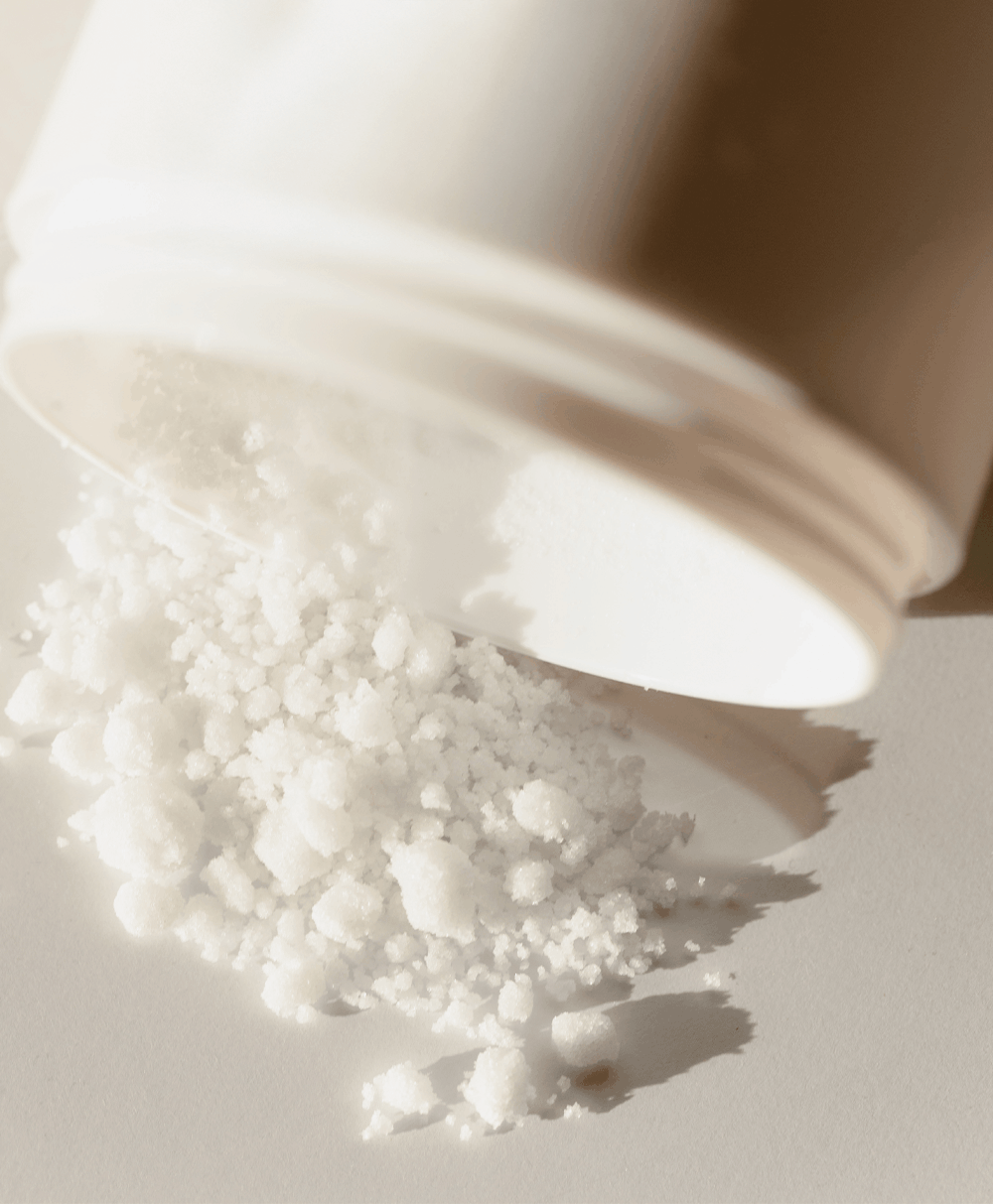
You’ve probably seen the claim: buildup on your scalp, oil, dead skin, product residue, clogs your follicles and chokes off hair growth. It’s a popular explanation, and it’s a convenient one, but it’s not quite what the research actually shows. Here’s what’s genuinely known about the scalp buildup and hair thinning connection, and where the evidence runs out.
What Counts as “Scalp Buildup”
Buildup is a mix of several things that layer on top of each other over time:
Sebum, the natural oil your scalp produces to keep hair and skin from drying out. Oil production varies a lot between people, and can shift with hormones, weather, and stress.
Dead skin cells, shed continuously as the scalp renews itself, the same process that happens on skin everywhere else on the body.
Sweat and environmental residue, from exercise, humidity, or everyday exposure to dust and pollutants.
Product residue, left behind by styling products, dry shampoo, or hair care that isn’t fully rinsed out.
How much builds up, and how quickly, depends on hair type (finer hair tends to show oil buildup faster), scalp condition, activity level, how often someone washes their hair, and how often they exfoliate. None of this is abnormal, it’s a routine byproduct of having a scalp. The real question isn’t whether buildup exists, but whether it’s actually responsible for hair thinning the way it’s often marketed to be.
The Claim That Doesn’t Fully Hold Up
The theory usually goes like this: buildup sits on the scalp, clogs the opening of the hair follicle, and the hair underneath either can’t grow through or grows in thinner because it’s fighting a blocked pore. It’s an intuitive story, since clogged pores on the face are a well-known contributor to breakouts, so it’s easy to assume the same logic carries over to scalp and hair follicles.
That doesn’t mean a dirty, flaky, or oily scalp has nothing to do with hair health. It means the specific “buildup mechanically blocks the follicle” mechanism isn’t the established explanation, even though it’s the one most often repeated in product marketing. The more defensible connections are more indirect, and that’s where the record actually supports something real, covered next.
What the Research Actually Supports
There are a few real, distinct findings worth knowing, each more specific and more limited than the general “buildup causes hair loss” claim:
Scalp inflammation can cause diffuse shedding, but it’s different from pattern hair loss. Inflammatory scalp conditions like seborrheic dermatitis (a common, buildup-adjacent condition involving excess oil and flaking) are recognized causes of telogen effluvium, a diffuse shedding pattern. (This is a real, reviewed clinical finding, Harrison & Bergfeld 2009, summarized in a 2020 Cureus review by Asghar et al., but it’s explicitly distinct from androgenetic (pattern) hair loss. Telogen effluvium doesn’t show the follicle miniaturization that defines pattern baldness, and it’s generally reversible once the underlying scalp condition is treated.)
Scalp oil levels may correlate with pattern hair loss severity, but this isn’t proof of cause. A small 2021 study found that oil levels on the vertex scalp (the area most affected by pattern hair loss) were higher in people with androgenetic alopecia and correlated with how severe it was. (This was a small, single-center study, 31 people with hair loss, 31 without, and shows a correlation, not a proven cause-and-effect. The leading theory is that scalp oil can concentrate DHT, the hormone most tied to pattern hair loss, not that the oil itself blocks follicles.)
Scalp massage, which often happens naturally during exfoliation, has some real (if modest) support. A small 2016 study had 9 men massage one side of their scalp daily for 24 weeks using a standardized device and found a small increase in hair thickness on the massaged side, with no change on the untreated side. (This is a genuinely small study, 9 people, not blinded, partly funded by a hair-care device company, and measured hair thickness, not growth rate or density. It’s suggestive, not proof, but it’s a real, measured result rather than a marketing claim.)
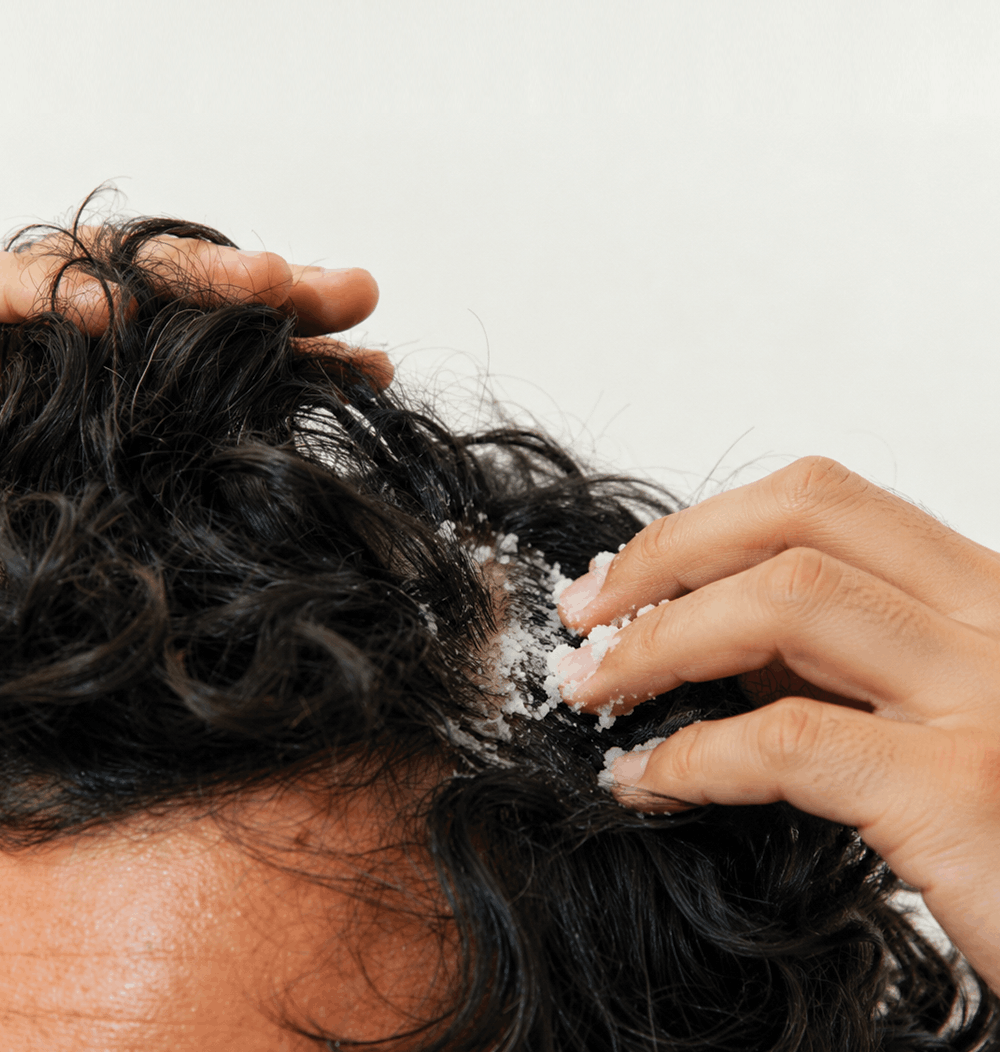
How Often Should You Exfoliate Your Scalp?
There’s no dermatology-association guideline that sets an official number here, but practical guidance from dermatologists and hair care professionals is fairly consistent. Dr. Purvisha Patel, a board-certified dermatologist, has noted that scalp skin turns over the same way skin does elsewhere on the body, and recommends exfoliating roughly every two weeks for most people.
Guidance from licensed estheticians and trichologists suggests a somewhat more frequent range for oily scalps (every 4 to 5 days) and a lighter touch for dry or sensitive scalps (closer to every two weeks).
What’s more consistently emphasized is not over-exfoliating. Scrubbing too often, or too aggressively, can irritate the scalp, dry it out, or cause small amounts of damage to the scalp’s protective barrier. A reasonable starting point is about once a week, adjusted up or down based on how the scalp responds.
This frequency guidance comes from dermatologist, esthetician, and trichologist commentary in consumer health and beauty media, not a formal clinical trial or dermatology-association recommendation, it’s presented here as practical guidance, not an established clinical standard.
What Exfoliation Can Realistically Do for Scalp and Hair Health
It’s worth being direct here: there isn’t a peer-reviewed study showing that scalp exfoliation itself increases hair growth.
But here’s what exfoliation can reasonably claim, based on what’s actually documented above:
It removes the oil, flaking, and residue described earlier, supporting a cleaner, more comfortable scalp.
The physical motion of exfoliating, massaging product into the scalp, is the same kind of mechanical stimulation behind the modest hair-thickness increase in the 2016 massage study cited above. That’s a real, if modest, benefit that’s separate from “removing buildup” itself.
For people managing a flaky or oily scalp, regular gentle exfoliation is a reasonable piece of a scalp care routine, alongside (not instead of) treating any diagnosed condition like seborrheic dermatitis.
So Is a Scalp Scrub Worth It?
Based on the actual evidence, a scalp scrub isn’t shown to directly regrow hair or reverse pattern hair loss, and nothing here claims that it does. What it legitimately offers: removing excess oil, flaking, and product residue for a cleaner, more comfortable scalp; the kind of massage-like contact that the small 2016 study associated with a modest hair-thickness increase; and support for an overall healthy scalp environment, which is a reasonable foundation even though it isn’t a substitute for treating diagnosed conditions like seborrheic dermatitis or androgenetic alopecia.
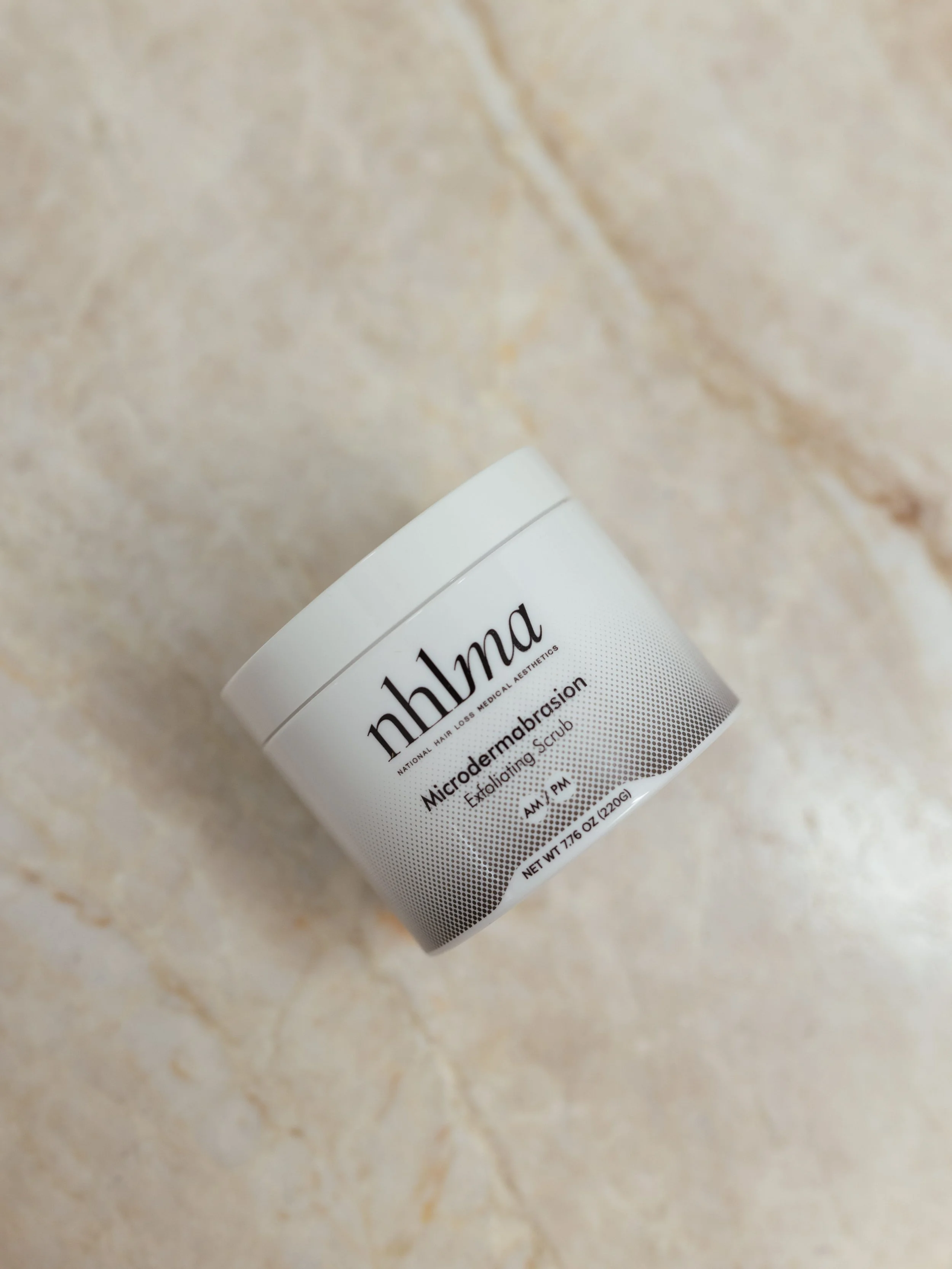
NHLMA’s Best Exfoliating Scalp Scrub
If you’re looking for a scalp scrub built around that kind of realistic, scalp-comfort-first approach, NHLMA’s Best Exfoliating Scalp Scrub combines physical exfoliation (alumina crystals) with hydrating ingredients like sodium hyaluronate and Chondrus crispus (seaweed) extract, so it lifts buildup without stripping the scalp dry. The cleansing agents (cocamidopropyl betaine, decyl glucoside, sodium cocoamphoacetate) are sulfate-free, and there’s no added fragrance on the label.
It’s also formulated to work on scalp, face, and body, rather than being a single-use product. To use it, wet the area, apply a small amount, and gently massage it in, the same kind of scalp contact behind the modest hair-thickness result in the 2016 massage study above, before rinsing with lukewarm water.
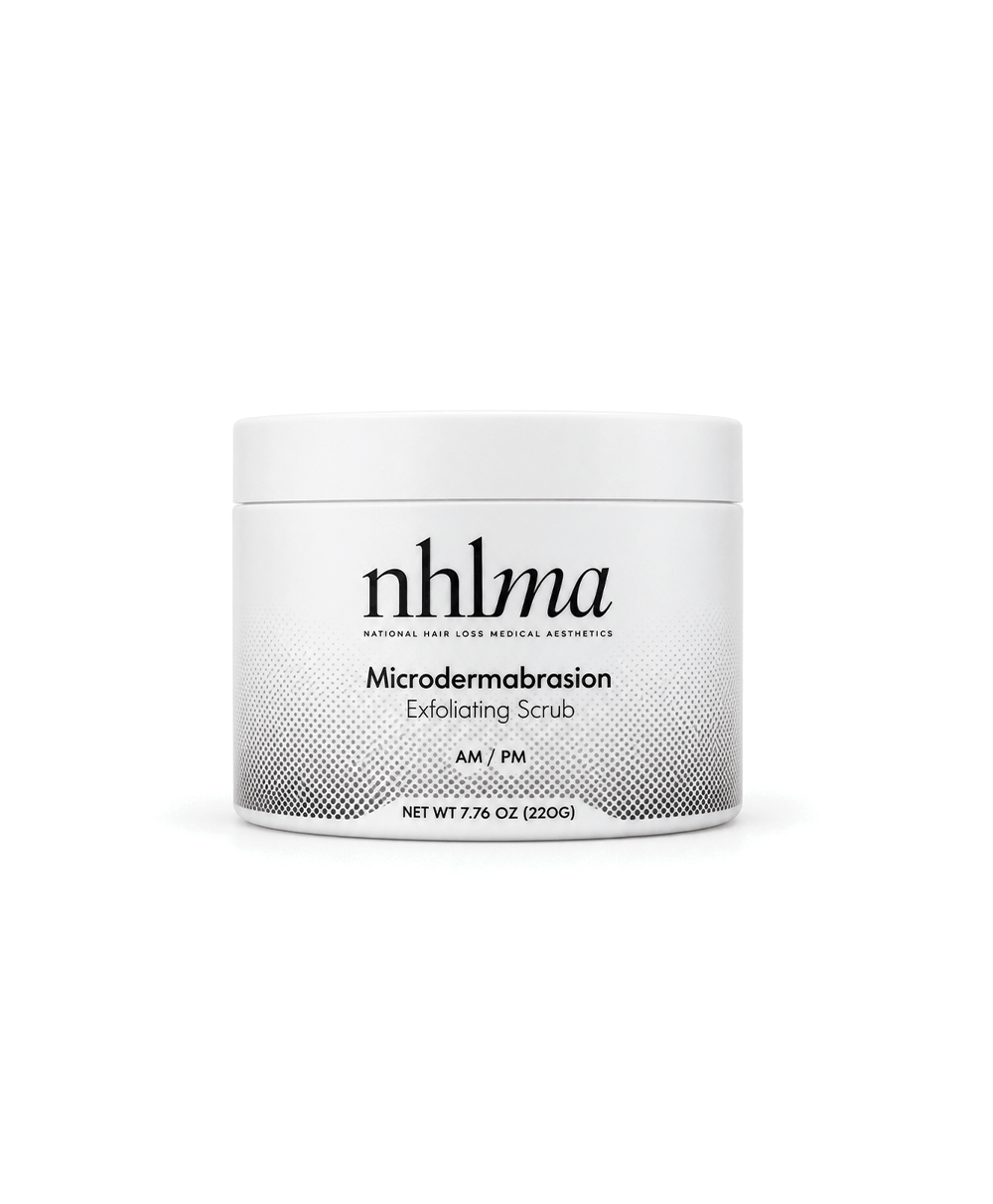
Cleanse, purify, and stimulate hair growth or resurface skin with NHLMA's Microdermabrasion Detox Scrub.
Cleanse your scalp of debris and buildup to stimulate and promote hair growth, or use it on face and body to boost blood flow and gently exfoliate. The best part? You can add it directly to your own shampoo, face cleanser, or body wash for a perfectly hydrating exfoliant.
Why Scalp Exfoliation Matters for Hair Growth
Over time, product buildup, excess oil, and dead skin cells can accumulate at the scalp's surface and around the follicle opening. A gentle scalp exfoliating scrub helps clear that buildup, which can otherwise interfere with a healthy follicle environment, and it improves how well other treatments you're using — like a growth serum or topical — can actually reach the scalp instead of sitting on top of residue.
FAQs
Does removing scalp buildup regrow hair?
Not based on current research. Scalp buildup isn’t well-established as a direct cause of hair thinning, so removing it isn’t shown to regrow hair on its own. It can help with scalp comfort and a flaking or oily scalp, which is a reasonable goal by itself.
What actually causes hair shedding related to the scalp?
The clearest evidence connects inflammatory scalp conditions, like seborrheic dermatitis, to a type of diffuse shedding called telogen effluvium. This is different from pattern hair loss and is generally reversible once the underlying scalp condition is addressed.
Does scalp massage help hair growth?
There’s a small study (9 participants, 24 weeks) that found a modest increase in hair thickness from daily scalp massage. It’s a real, measured result, but a small one, and it measured thickness rather than new hair growth.
Is a scalp scrub the same as treating dandruff or seborrheic dermatitis?
No. A physical scrub can help manage flaking and buildup day to day, but a diagnosed condition like seborrheic dermatitis is best addressed with a dermatologist or provider, since it can need targeted treatment beyond exfoliation.

Written by the Hair Loss and Skin Experts at NHLMA.
Founded in 2007, National Hair Loss Medical Aesthetics is the leading Scottsdale-based practice specializing in the science of hair restoration and medical aesthetics.
At NHLMA in Scottsdale, our clinicians don't guess. They diagnose. Using functional medicine, advanced diagnostics, and the latest regenerative treatments, our team identifies what your skin actually needs. Then builds a protocol around it. This is what we do every day.