
Best Hair Loss Treatments for Men (Non-Surgical Options)
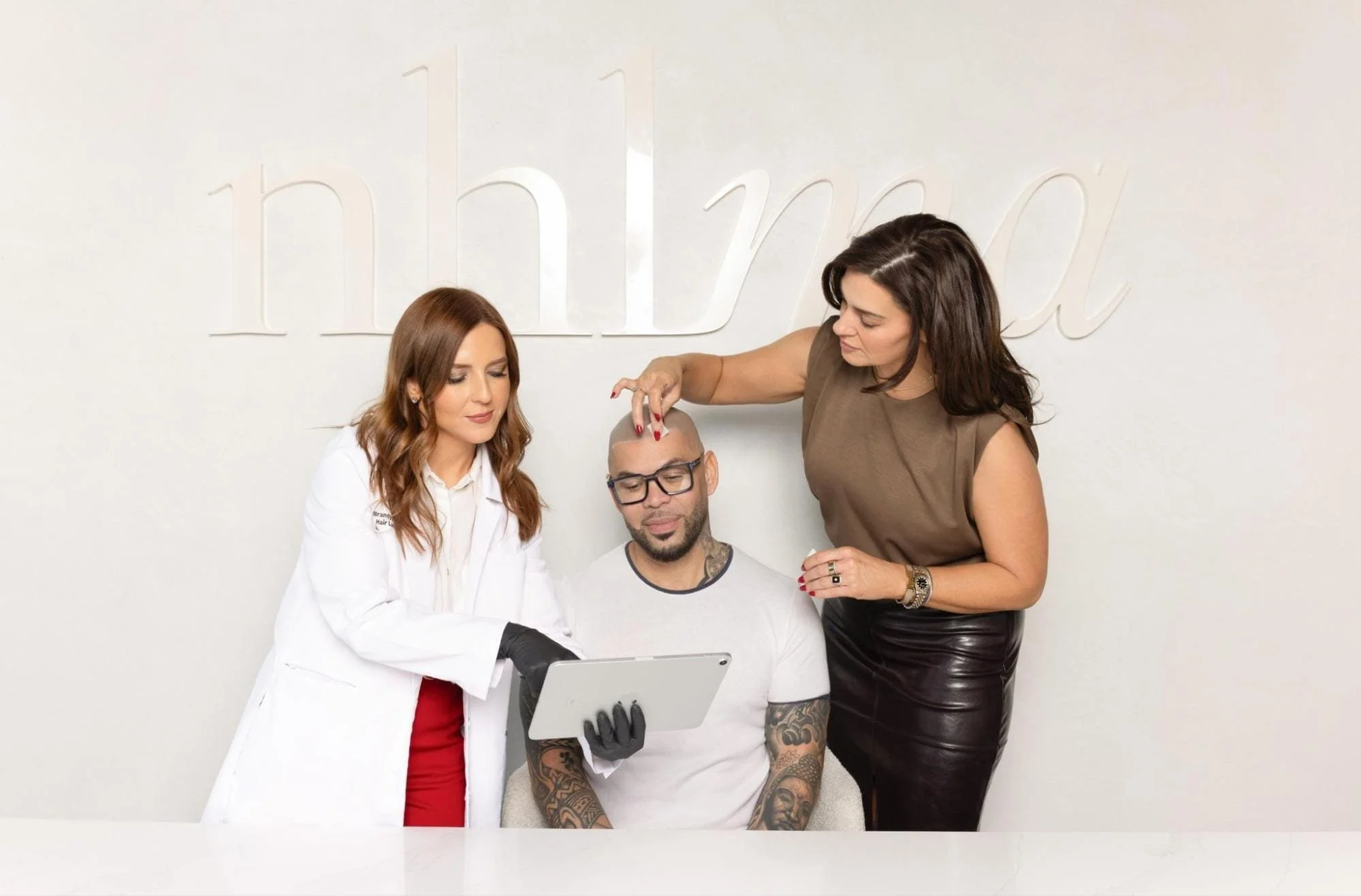
Hair loss is incredibly common in men, yet many delay treatment until thinning becomes more advanced. The good news is that modern, non-surgical hair loss treatments can slow progression, improve scalp health, and support stronger hair growth, especially when started early.
At NHLMA, we take a medical, individualized approach to male hair loss. Below, we break down what causes hair loss in men, how to recognize the stages, and the most effective non-surgical options available today.
Understanding Male Pattern Hair Loss
The most common form of hair loss in men is androgenetic alopecia, often referred to as male pattern hair loss. It is driven by a combination of genetics and sensitivity to DHT (dihydrotestosterone), a hormone that gradually shrinks hair follicles over time.
As follicles become weaker, hair grows thinner, shorter, and eventually stops growing altogether.
Male Pattern Hair Loss Stages
Hair loss in men typically follows a predictable pattern, often described using stages:
Early stage: Receding hairline or thinning at the temples
Mid stage: Thinning at the crown with visible scalp
Advanced stage: Significant recession and reduced density across the scalp
Can You Prevent Male Hair Loss?
While genetics cannot be changed, the progression of male hair loss can often be slowed or managed with the right approach. Early intervention helps preserve existing hair, improve scalp health, and support stronger regrowth. We believe identifying hair loss early is key because treatments are most effective when follicles are still active, even if hair appears thinner.
Our unique prevention techniques focus on:
Reducing inflammation in the scalp
Supporting healthy follicle function
Addressing hormonal and lifestyle contributors
Using evidence-based treatments consistently
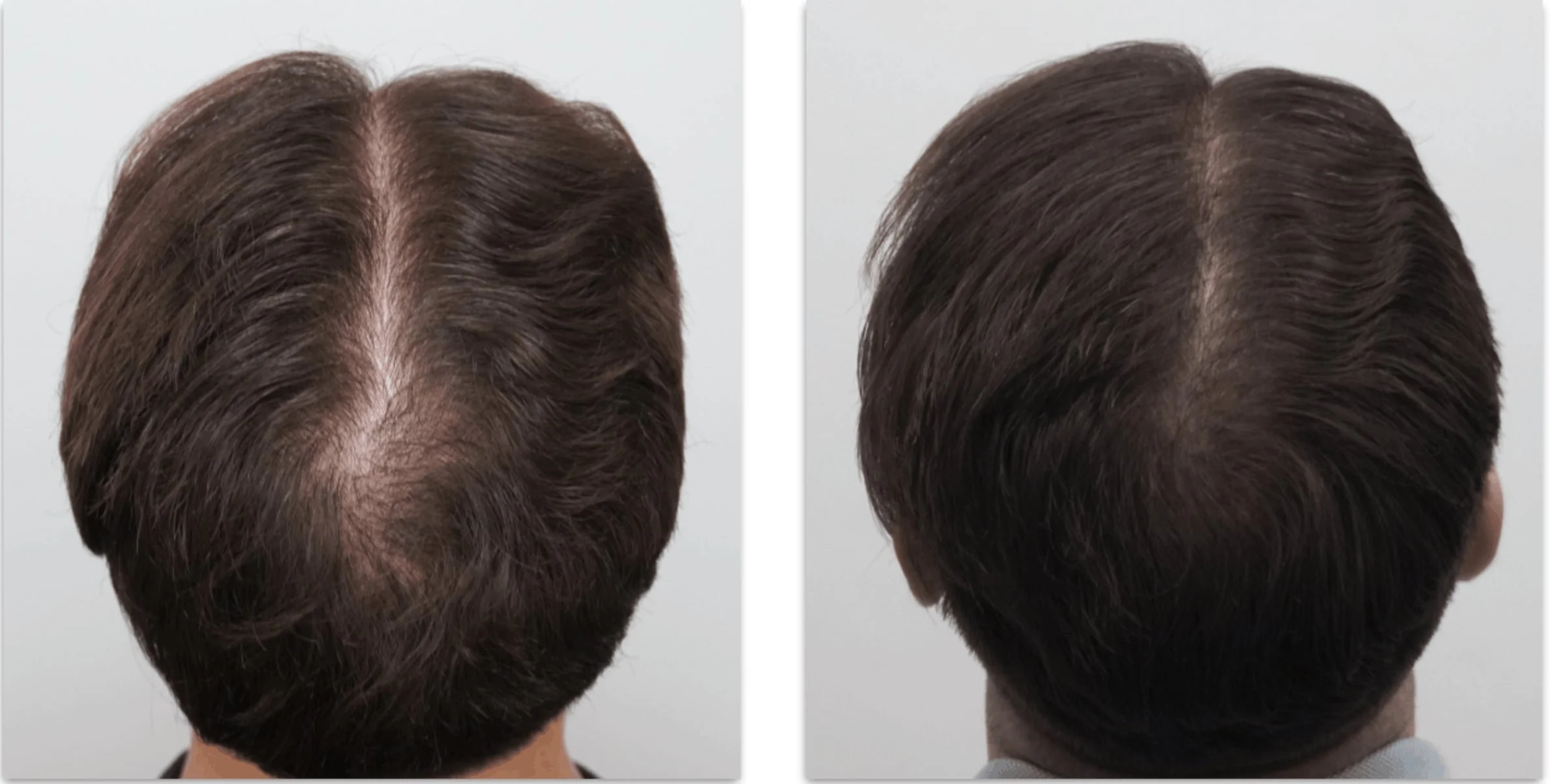
6 Months of Exosomes, Medical-Grade Laser Therapy, and Minoxidil
Best Non-Surgical Hair Loss Treatments for Men
Exosome Therapy for Hair Loss
Exosome therapy is a regenerative hair loss treatment that supports cellular communication within the scalp. This advanced cellular signaling works to awaken dormant follicles and prolong the hair growth cycle. The clinical result is the promotion of thicker, denser, and healthier hair growth, a visible improvement over traditional methods. As a leading alternative to surgical procedures, exosome treatment is entirely non-surgical and minimally-invasive, requiring virtually no patient downtime.
NHLMA has been a recognized pioneer of this treatment for over a decade. Having performed more than 8,000 effective procedures, our expertise is unmatched. We base all our work on rigorous clinical science, ensuring the highest standards of safety and efficacy. We utilize multiple exosome types and meticulously tailor the entire hair growth treatment to your unique needs and the precise stage of your hair loss.
Secretomes
Secretome therapy has emerged as a powerful non-surgical hair loss solution for men because it works at the cellular level to address the root causes of thinning and shedding rather than just masking symptoms. Secretomes are the natural messengers released by stem cells that contain a rich mix of growth factors, cytokines, proteins, and extracellular vesicles—components your body uses to communicate repair, reduce inflammation, and stimulate regeneration. When applied to the scalp, these bioactive molecules can encourage dormant or weakened hair follicles to re-enter the active growth phase, support improved scalp health, and ultimately help restore hair density and thickness in areas affected by male pattern hair loss—all without the need for hormones, medications, or surgical intervention.
Another reason secretomes are so appealing for men seeking a non-invasive hair restoration option is their safety and integration with the body’s natural healing systems. Because they are cell-free and derived from regenerative biology, secretome treatments generally carry fewer risks than more invasive procedures and can be combined with other supportive therapies like PRP or microneedling to maximize results.

1 Year of Medical-Grade Laser and Minoxidil
Medical-Grade Laser Therapy
A powerful non-surgical option for men is medical-grade laser therapy, often delivered via a laser cap device. At NHLMA, we offer the RX Duo Laser Cap, which combines clinically selected light wavelengths to support hair growth and scalp health.
HOW IT WORKS
Laser therapy uses low-level laser light (LLLT) to stimulate cellular activity in the scalp. Research suggests that LLLT may:
Increase blood flow and nutrient delivery to hair follicles
Reduce inflammation around the follicular unit
Support dormant or miniaturized follicles
Extend the growth (anagen) phase of the hair cycle
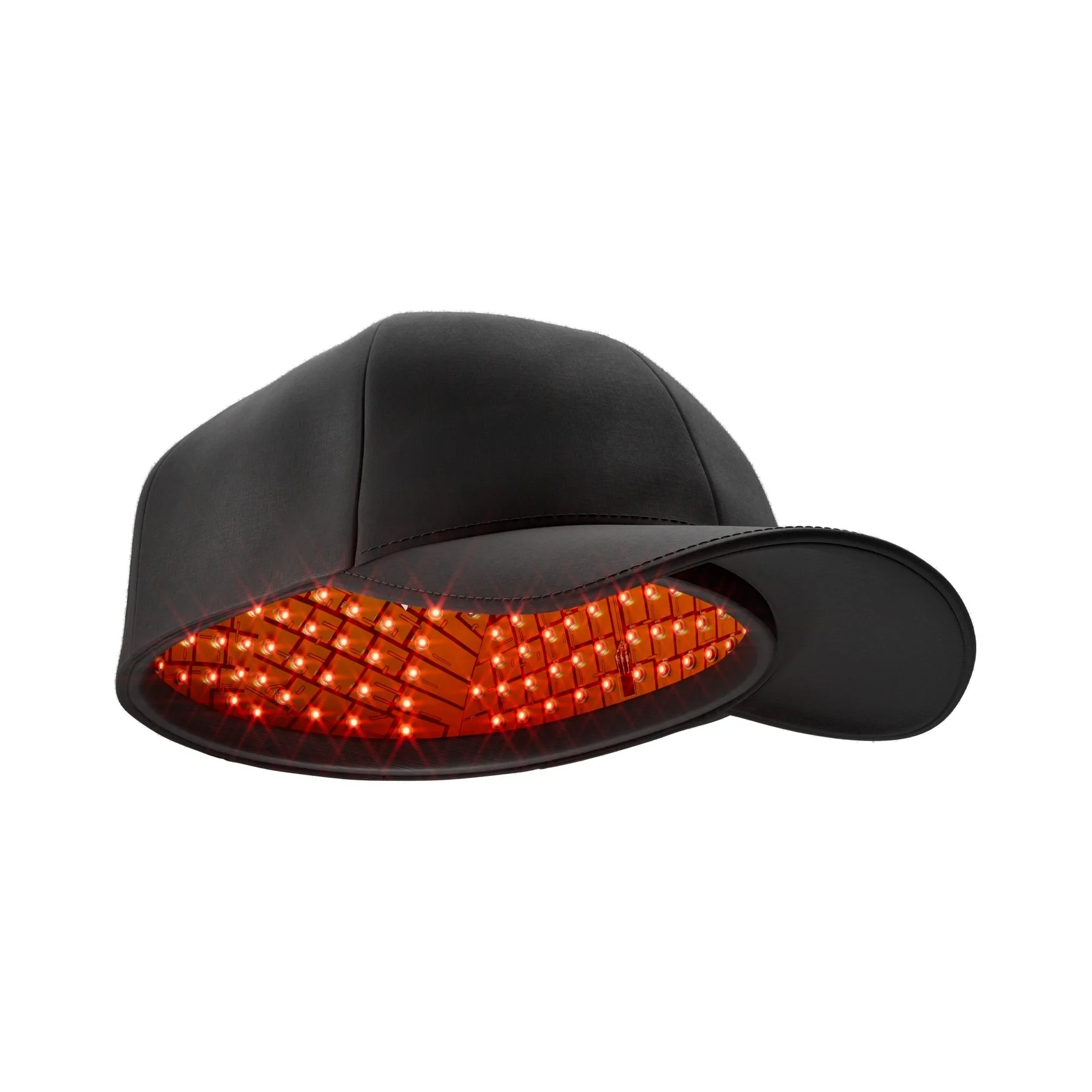
Our medical-grade device is the best laser cap for hair loss, combining dual 650 nm red laser light with 808 nm near-infrared (NIR) wavelengths to provide multi-layer stimulation, targeting both the hair follicle and deeper supporting tissues.
SUPPORT FOR HAIR GROWTH:
Designed for moderate-to-advanced thinning and post-transplant support built with 320+ medical-grade laser diodes. 6 minutes daily. FDA-cleared. A well-oxygenated, low-inflammation scalp environment provides a stronger foundation for hair follicles, which is particularly important in moderate to advanced thinning. The RX Duo combines 650 nm red light and 808 nm near-infrared wavelengths to stimulate follicular mitochondria, improve vascular flow, reduce inflammation, support miniaturized follicles, relieve scalp tension through deeper tissue penetration, and enhance overall hair density.
650 nm → superficial follicle stimulation
808 nm → deep tissue and deep follicle activation
Key Findings From Clinical Studies:
A 2024 systematic review and meta-analysis of 7 double-blind, sham-controlled randomized trials (607 participants total) found statistically significant hair density gains across FDA-cleared home laser devices. In individual device trials within that review: one diode-based cap showed a 63.67% increase in terminal hair count at 17 weeks versus 12.48% for the sham group, and a helmet-style device showed gains of 35% in men and 37% in women.
Also Includes:
5 Year Warranty laser/ 1 Year Warranty Battery
Rechargeable Battery & Seamless App Connectivity - Enjoy up to six full treatments per charge with a compact docking station that charges quickly and fits neatly on any nightstand. Sync with the Capillus App to monitor sessions, battery life, and track your regrowth journey with progress selfies.
75% money back satisfaction guarantee up to one year from purchase
Clinical-grade results with Photobiomodulation
20,000 hours (10+ years) of class 3R Medical Grade Laser
Ends
The RX Duo combines 650 nm red light for superficial follicle stimulation and 808 nm near-infrared light for deeper tissue activation and improved scalp health. This dual-wavelength approach helps create an optimal environment for hair growth by energizing follicular mitochondria, increasing vascular flow, and reducing scalp inflammation. Laser therapy is drug-free, non-invasive, and safe for ongoing use. It’s especially effective for men in early to moderate hair loss stages, where follicles are still active.
WHAT TO EXPECT
With consistent use, many patients notice:
Reduced hair shedding within 8–12 weeks
Improved hair density and thickness around 3–6 months
Continued strengthening of hair over 6–12 months
PRP Supershot Hair Restoration
Unlike traditional PRP, SuperShot isolates and infuses your scalp with Extracellular Vesicles (EVs), tiny particles in the blood that carry microRNAs, which promote healing, tissue repair, and the growth of new blood vessels. SuperShot technology concentrates these EVs directly within the Platelet-Rich Plasma (PRP) matrix, making the treatment significantly more potent and robust. This precious cargo communicates with cells to promote healing, reduce inflammation, and encourage tissue regeneration. These pathways all lead to revitalized hair growth.
PRP Supershot helps:
Improve blood flow to follicles
Strengthen existing hair
Slow hair thinning
Stimulate new hair growth
How It’s Different From Standard PRP
Like standard PRP, a small amount of your blood is drawn and processed to concentrate platelets — the cells that release growth factors and help with healing.
SuperShot® PRP involves an extra step that isolates and includes “extracellular vesicles” (EVs) — tiny particles in your blood that carry signaling molecules (like exosomes and microRNAs). These biologic components are thought to enhance the regenerative signal that supports tissue repair and cellular communication.
This extra processing makes the biologic solution more complete than standard PRP by adding growth-related molecules that would otherwise be discarded.
Medical-Grade Scalp Treatments (Including Scalp Hydrafacial)
Healthy hair starts with a healthy scalp. The skin underneath your hair needs to be free from buildup, inflammation, and clogged follicles to support new growth. At NHLMA, medical-grade scalp treatments are designed to detoxify, nourish, and optimize the scalp environment. This includes:
Scalp Hydrafacial Treatment
Scalp Hydrafacial is a gentle but deeply cleansing protocol that:
Removes impurities and excess oil
Gently exfoliates dead skin
Infuses the scalp with hydrating and nourishing serums
Improves circulation and follicular receptivity
By addressing buildup and inflammation, scalp Hydrafacial sets the stage for better response to other treatments like PRP and laser therapy. This foundational care is often the first step in personalized hair restoration plans.
Customized Hair Loss Protocols
There is no single “best” treatment for every man. At NHLMA, our in-house trichologist and hair specialists assess hair loss stage, scalp health, family history, and lifestyle and hormonal factors. From there, we build a personalized plan that may include a combination of in-office treatments and at-home care, like testing, oral or topical medications like Minoxidil or Finasteride, and more.
When to Consider Treatment
Men often wait until hair loss becomes noticeable to others, but earlier treatment leads to better outcomes. You may want to book a consultation if you notice:
Increased shedding
Thinning at the hairline or crown
Slower hair growth
Changes in hair texture or density
Start With A Hair Loss Consultation or a Genetic Saliva Test
If you’re experiencing hair thinning or hair loss, it’s time to take the guesswork out of your hair loss protocol. Our team takes a thoughtful, medical approach to advanced hair restoration, focusing on realistic outcomes and long-term results.
Start with Genetic saliva testing, a simple, non-invasive test that uses a small saliva sample to analyze your DNA. By looking at specific genetic markers, this test reveals not only your predispositions for hair thinning and loss, but also how your body is likely to respond to common hair loss medications.
Or, book a consultation with one of our hair loss specialists or trichologist.
Healthy hair starts with understanding the cause, and addressing it early.