
How Hair Follicle & Lab Testing Can Reveal the Root Causes of Hair Loss
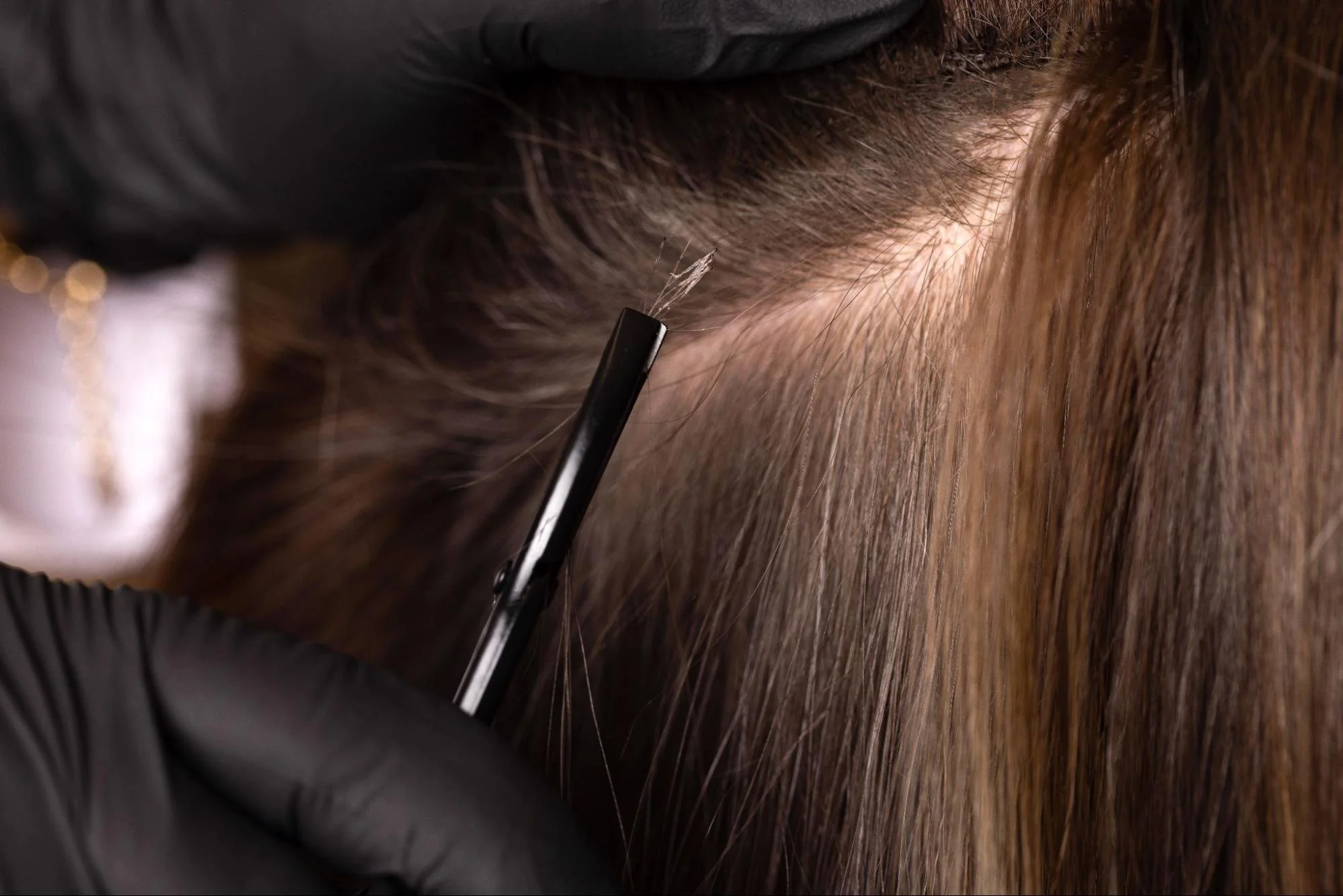
Most people begin searching for answers after they notice something has changed — more shedding in the shower, thinning at the hairline, or hair that just doesn’t seem to grow the way it used to. What many don’t realize is that the body often leaves quiet clues long before hair loss becomes obvious.
At NHLMA, we believe hair loss is rarely random. It’s often the result of underlying biological patterns that can be identified, understood, and addressed with the right tools.
Modern diagnostic testing allows us to look beyond surface symptoms and better understand what’s happening internally. When we understand why hair is changing, treatment becomes more precise, more personal, and ultimately more effective.
Why Testing Matters
Not all hair loss looks the same, and more importantly, not all hair loss responds to the same treatments. Two people can experience similar thinning for completely different reasons. Without testing, treatment becomes guesswork. With testing, care becomes intentional.
Laboratory testing helps us identify underlying contributors such as:
Hormonal imbalances, including thyroid or androgen levels
Micronutrient deficiencies like iron, vitamin D, or zinc
Inflammatory or autoimmune patterns
Genetic predisposition to pattern hair loss
Rather than applying a one-size-fits-all solution, testing allows us to create a plan that reflects your biology, not just your symptoms.
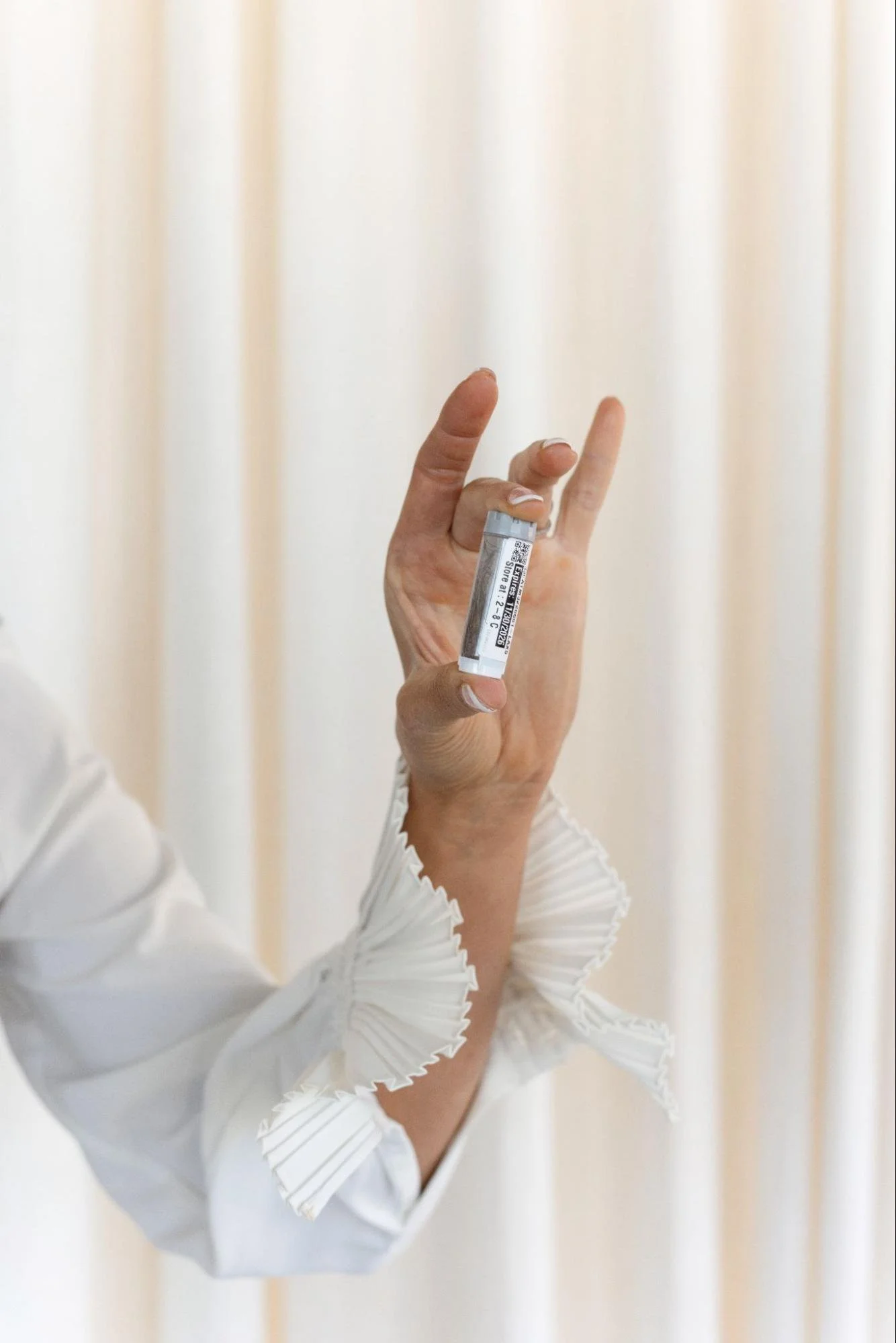
What Is Hair Follicle Testing?
Hair grows in cycles, and the follicle acts like a biological record of what the body has been experiencing over time. A hair follicle test analyzes the material within or around the hair shaft to uncover patterns related to hormones, nutrients, and metabolic stress.
This type of testing can be especially helpful when:
Hair shedding feels chronic or unexplained
It’s unclear whether hair loss is temporary or progressive
You've already had bloodwork and are looking for a more broad picture of what is going on in your body.
Hair follicle testing isn’t a standalone diagnosis or cure. Instead, it provides valuable context, another layer of information that helps us better understand your scalp and hair health as a whole.
Common Lab Tests Used in Hair Loss Evaluation
Hair follicle testing is often paired with additional lab work to create a more complete picture.
Blood Panels
Blood testing helps uncover internal factors that may be influencing your hair growth. These labs can evaluate hormone levels, including thyroid hormones, and testosterone, which all play important roles in the hair growth cycle. Blood panels also assess nutrient levels such as iron, ferritin, vitamin D, and B vitamins, along with inflammatory markers and metabolic indicators like blood sugar or lipid profiles. Because healthy hair growth is closely connected to overall health, understanding what is happening within the body is often a key step in creating an effective treatment plan.
Genetic Saliva Testing
NHLMA’s hair loss genetic test analyzes your unique genetic response to hair loss treatments and supplements. This allows for highly personalized hair loss treatment planning, rather than trial-and-error therapy.
Ideal for:
Men or women with hair thinning or hair loss
Patients with poor response to standard treatments
Individuals considering medications like minoxidil, finasteride, dutasteride, or spironolactone
Anyone seeking a personalized, genetics-based hair loss plan
How Hair Follicle Testing Works at NHLMA
At NHLMA, hair follicle testing is used as part of a broader, wellness-informed approach to hair health.
Step 1 - Sample Collection
A small hair sample is collected either in-office or through an at-home kit. The strand is taken close to the scalp to reflect recent biological activity.
Step 2 - Laboratory Analysis
The follicle contains markers related to nutrient levels, absorption patterns, and metabolic signals. These insights can reveal trends that influence hair growth and overall wellness.
Step 3 - Report & Interpretation
Results are compiled into a detailed report that highlights patterns such as vitamin or mineral imbalances, sensitivities, and other factors that may affect hair cycles. This test doesn’t diagnose disease, but it offers valuable information that supports informed care decisions.
Step 4 - Personalized Guidance
A trained provider reviews your results with you, explains what they mean, and recommends targeted next steps, whether nutritional support, lifestyle adjustments, or therapeutic options.
At its core, hair follicle testing helps connect what you’re seeing externally with what may be happening internally.

What You Can Learn From Testing
When hair follicle analysis is combined with lab testing, it helps us better understand what may be causing changes in your hair. These evaluations can show whether your hair loss is temporary or ongoing and help identify if hormones or nutrient deficiencies are playing a role. Testing can also reveal whether genetics are contributing and help guide which treatments are most likely to work for you. Instead of guessing, testing gives us clearer answers so we can move forward with a plan that is thoughtful and targeted to your needs.
How Personalized Treatment Comes Together
Testing is just the starting point. The real value comes from using your results to build a personalized treatment plan. Depending on what your testing shows, your care plan may include hormone support, nutrient optimization, topical or oral therapies, and scalp treatments that improve the environment for healthy hair growth. Lifestyle and stress-related recommendations may also be included when appropriate. Our goal is always to create a well-rounded plan based on your unique health profile rather than a one-size-fits-all approach.
Who Should Consider Hair Loss Testing?
Hair loss testing may be helpful if you are noticing sudden or unexplained thinning, ongoing shedding, or gradual changes in your hair density. It can also be valuable for those with a family history of hair loss or individuals experiencing hormonal changes such as postpartum shifts or menopause. Testing may also provide helpful insight if symptoms suggest a possible nutrient deficiency. Identifying contributing factors early often leads to more effective treatment and better long-term results.
Moving Forward With Clarity
Hair loss is personal, and understanding it should be too. When diagnostic testing is paired with professional interpretation and individualized care, it becomes a powerful tool, not for quick fixes, but for informed, confident decision-making. If you’re ready to look beyond surface symptoms and understand what your body may be communicating, a thoughtful testing approach can be a game-changing first step toward progress.
At NHLMA, we’re here to guide you through that process with concierge attention and care from start to finish.