
Follicular Stem Cells and Hair Cloning: 2026 Research Guide
For decades, a true cure for pattern hair loss felt like science fiction. That is changing. Researchers now describe the current period as the most significant convergence of hair loss research advances in at least thirty years, driven by new molecular science, maturing clinical trials, and unprecedented investment in the field.
At the center of this shift are two related concepts patients keep asking us about: follicular stem cells and hair cloning. Here is what the research actually shows, and what it means if you are dealing with hair loss today.
What Follicular Stem Cells Are
Every hair follicle contains a small population of stem cells located in a region called the bulge. These cells are responsible for regenerating the follicle through its natural growth cycle. In androgenetic alopecia, the most common form of pattern hair loss, researchers have found that these stem cells do not disappear the way earlier science assumed. Instead, they lose their ability to activate and produce new hair, essentially going dormant rather than dying.
This distinction matters enormously. A dormant cell population is a much more promising treatment target than a depleted one, and it is a major reason regenerative research has accelerated so quickly in the past two years.
What Hair Cloning Actually Means
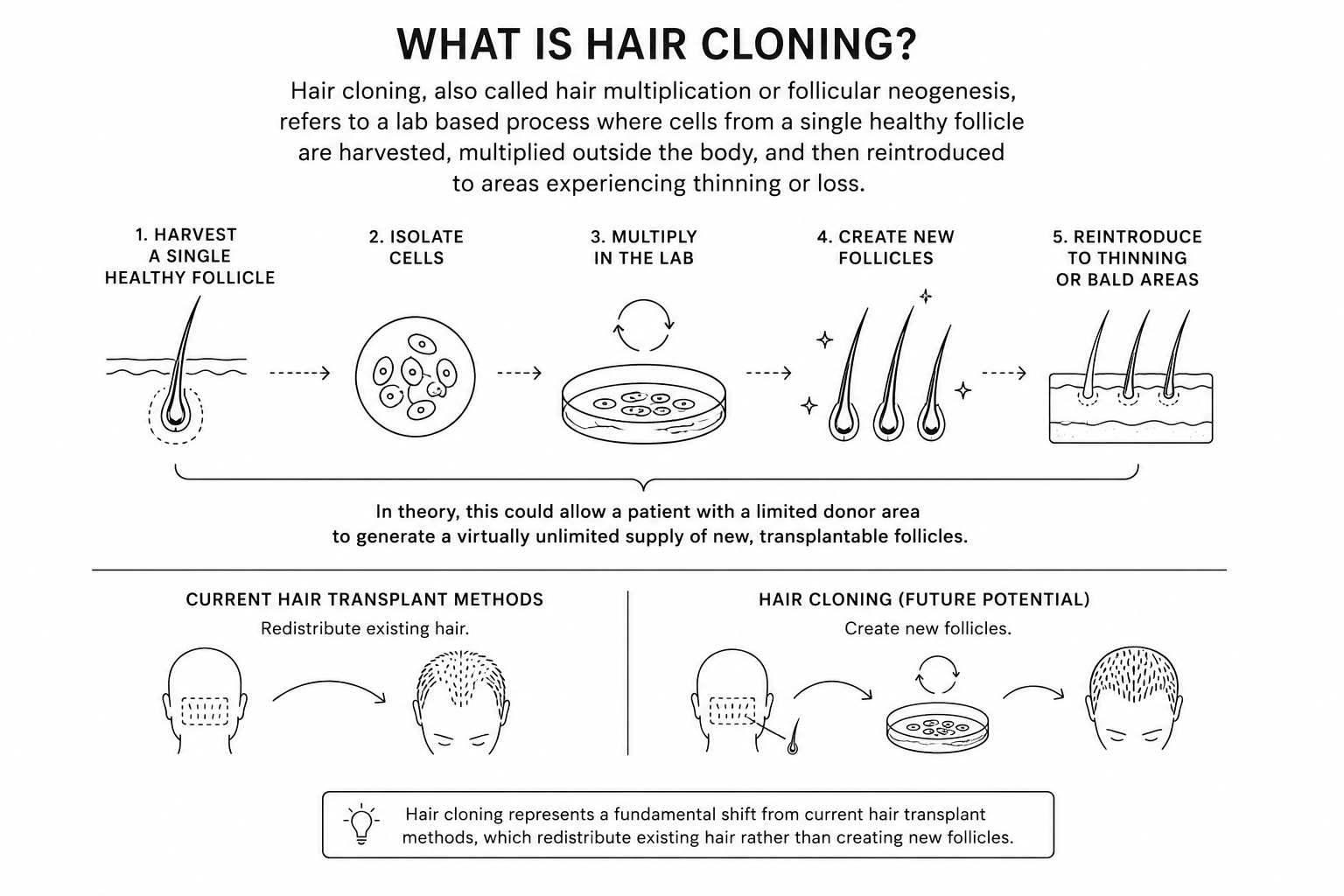
Hair cloning, also called hair multiplication or follicular neogenesis, refers to a lab based process where cells from a single healthy follicle are harvested, multiplied outside the body, and then reintroduced to areas experiencing thinning or loss. In theory, this could allow a patient with a limited donor area to generate a virtually unlimited supply of new, transplantable follicles.
This would be a fundamental shift from current hair transplant methods, which redistribute existing hair rather than creating new follicles.
Where the Research Actually Stands
It is important to be direct about the current stage of this science. Hair cloning is not available to patients as of 2026. Several programs are in active but early clinical development.
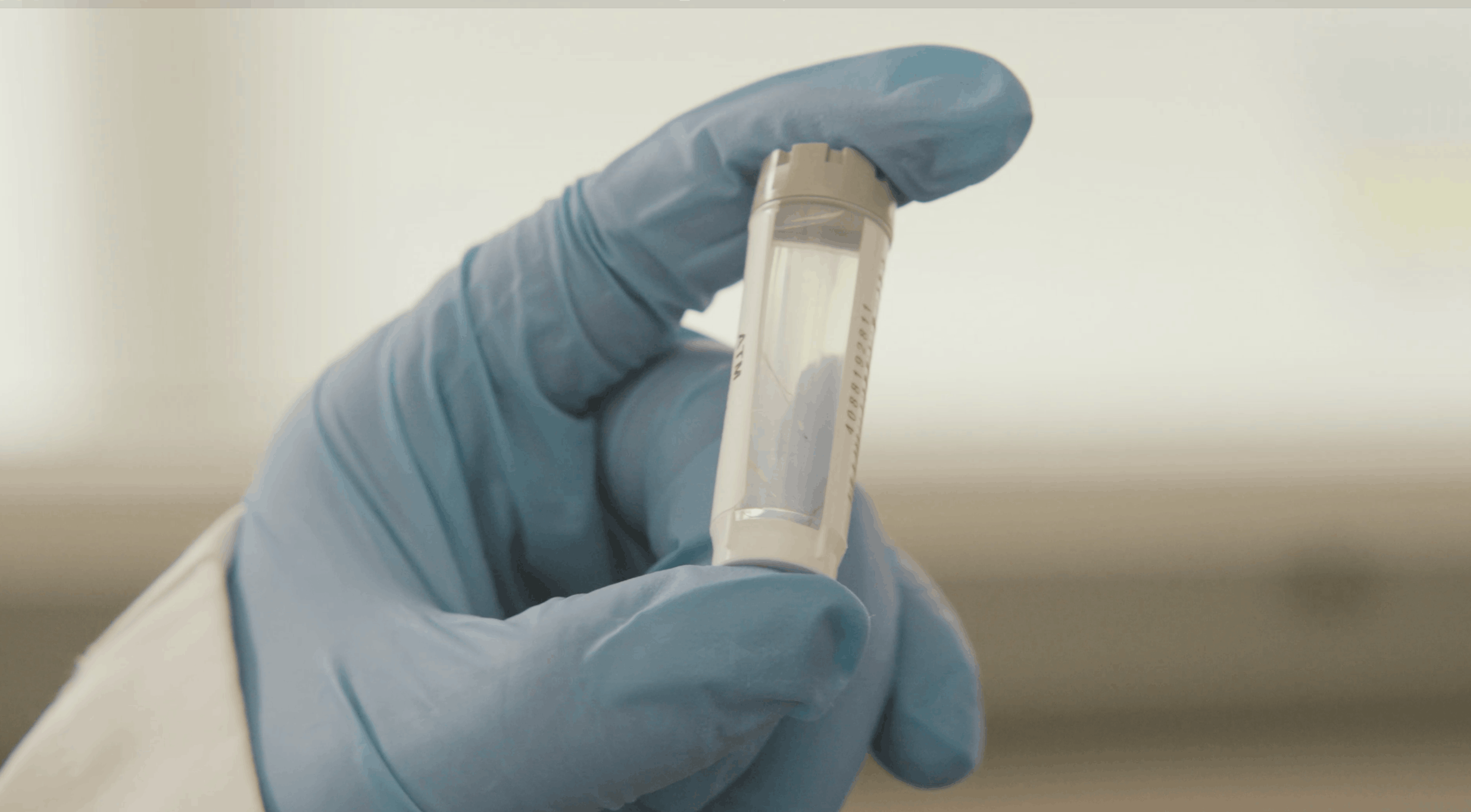
Researchers at RIKEN, working with Tokyo-based OrganTech, identified a third cell type, termed hair follicle regeneration-supporting cells, that had been missing from earlier lab attempts to grow hair follicles. When layered together with epithelial stem cells and dermal papilla cells and transplanted into engineered skin, the three cell types reproduced a complete, repeating hair growth cycle in a laboratory setting. OrganTech has said it plans Phase I trials injecting these support cells into patients as early as late 2026 to 2027.
Biotech companies including dNovo and Stemson Therapeutics are running preclinical and early clinical programs focused on dermal papilla cell multiplication, harvesting cells from a single follicle, expanding them, and reimplanting them to generate new growth. dNovo has demonstrated human hair stem cells producing hair growth in a mouse model, while Stemson has successfully grown human hair follicles in humanized mice using engineered follicular units.
HairClone, a separate research effort, has been working toward clinical testing of its own cloned cell methodology, though full scale human trials remain in early stages.
Realistic Timeline Expectations
Based on current trial phases and regulatory pathways, most researchers in the field do not expect hair cloning to be commercially available for several more years. Industry estimates vary, but many point to a limited, conditional approval in Japan as the most likely first milestone, given the country's accelerated regenerative medicine pathway, with broader approval and eventual availability in markets like the United States following well after that. These projections are still estimates rather than confirmed regulatory timelines, and they will continue to shift as trials progress.
In other words, this is genuinely exciting science, and it is not a near term treatment option.
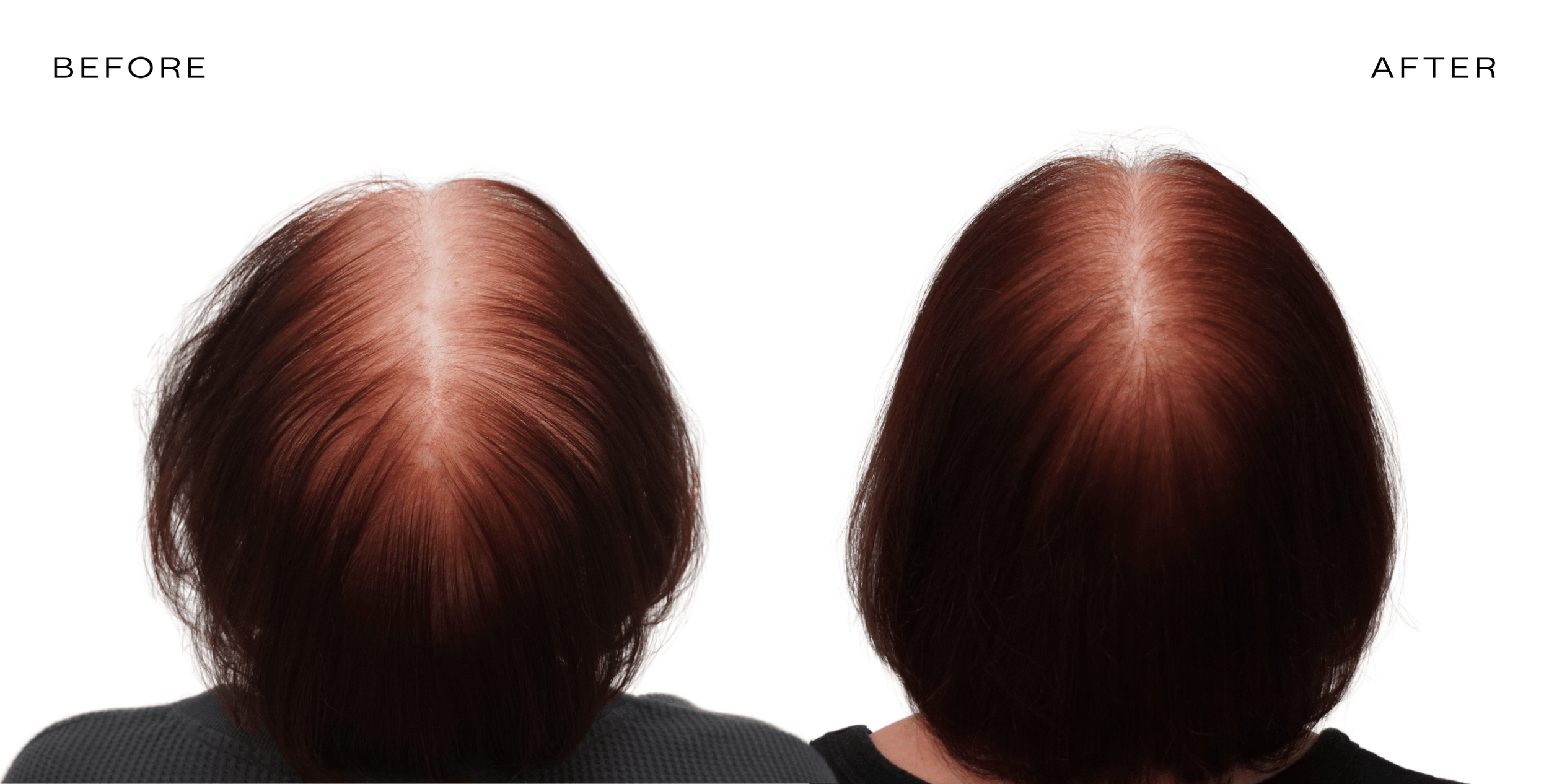
90 Days Before and After for our client who used Secretomes
What This Means for You Today
If you are experiencing hair thinning or loss right now, the good news is that you do not need to wait a decade for meaningful help. Current regenerative treatments already work with the same underlying biology that hair cloning research is targeting, namely reactivating dormant follicles and supporting the cells that drive natural growth.
At NHLMA, we offer Secretome therapy and exosome-based regenerative treatments, which use growth factors and signaling molecules to stimulate the follicles you already have rather than attempting to create new ones. These aren't a substitute for future breakthroughs like hair cloning, but they represent the most effective, clinically available options today — and we track the research closely so our patients get accurate information, not hype.
While hair cloning develops, our team focuses on maximizing your existing follicles through personalized, data-driven treatment plans built around secretomes, exosomes, and clinical-grade scalp therapies.
The science of hair restoration is moving faster than it has in a generation.
You don't have to wait for the future — book a consult in-person at our Scottsdale hair loss clinic or virtually to explore your regenerative treatment options and start seeing results now.
Frequently Asked Questions
Is hair cloning available right now?
No. As of 2026, hair cloning is still in preclinical and early clinical trial stages at research programs including RIKEN and OrganTech, dNovo, Stemson Therapeutics, and HairClone. It is not yet an available patient treatment.
What is the difference between hair cloning and a hair transplant?
A traditional hair transplant redistributes existing hair follicles from a donor area to a thinning area. Hair cloning would multiply follicle cells in a lab and reintroduce them, theoretically allowing new follicle creation rather than simply relocating a limited existing supply.
When will hair cloning be available to patients?
Most researchers do not expect commercial availability for several more years. Industry estimates point to Japan as a likely site for the first limited, conditional approval, given its accelerated regenerative medicine pathway, with broader approval in markets like the United States following after that. These figures remain estimates, not confirmed timelines.
Are follicular stem cells the same as the stem cells used in PRP treatments?
Not exactly. Follicular stem cells live inside the hair follicle itself and are the focus of hair cloning research. PRP treatments use growth factors concentrated from a patient's own blood to stimulate those existing follicles rather than replicating stem cells in a lab.
What can I do today while hair cloning research continues?
Treatments such as PRP therapy and exosome based regenerative treatments are clinically available now within our own hair restoration services at NHLMA and work by reactivating dormant follicles and supporting the biology that hair cloning research is also targeting, making them a strong option while lab based approaches continue to develop.
Sources
"Fully functional hair follicle organ regeneration using organ-inductive potential stem cells with an accessory mesenchymal cell population in an in vitro culture system."Biochemical and Biophysical Research Communications, 2026.
"Japan-led cell discovery hints at potential new treatments for hair loss."The Japan Times, 2026.
"Lab-grown hair cells to treat baldness could be on the way."MIT Technology Review, 2022.
"Stemson Therapeutics Announces Technological Breakthrough in New Hair Growth."BioSpace.

Written by the Hair Loss and Skin Experts at NHLMA
Founded in 2007, National Hair Loss Medical Aesthetics is the leading Scottsdale-based practice specializing in the science of hair restoration and medical aesthetics.
At NHLMA in Scottsdale, our clinicians don't guess. They diagnose. Using functional medicine, advanced diagnostics, and the latest regenerative treatments, our team identifies what your skin actually needs. Then builds a protocol around it. This is what we do every day.