
Hair Loss After GLP-1 Medications: What You Need to Know
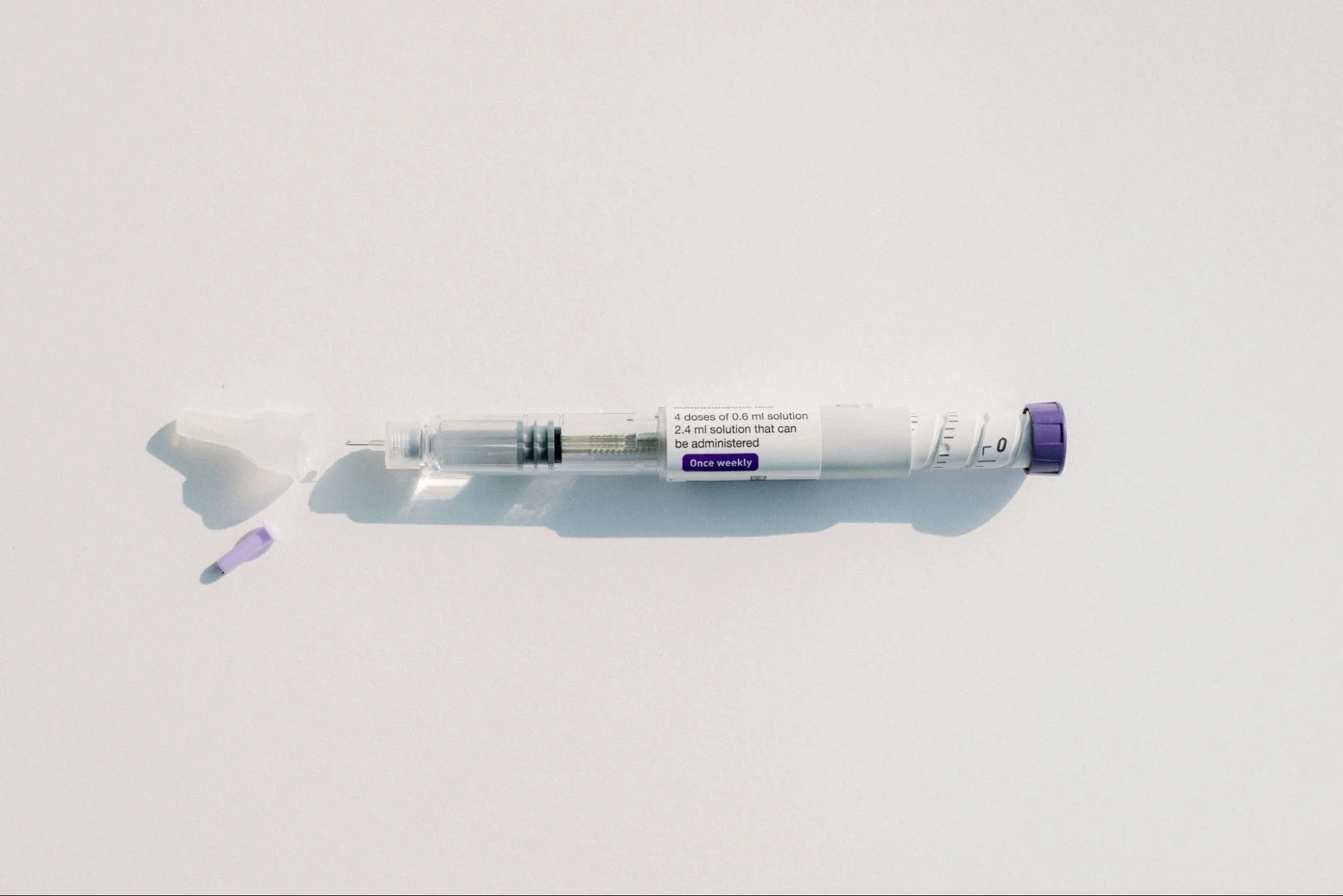
You started a GLP-1 medication, like Ozempic, Wegovy, or Mounjaro, feeling hopeful. The results have been real, the progress meaningful — and then you noticed something shifting in the shower drain, in your hairbrush, in the mirror. If hair loss has shown up alongside your weight loss journey, you are in good company. This type of hair loss is well understood, highly treatable, and in most cases fully reversible with the right support.
Here is what you need to know.
What the Research Shows
The connection between GLP-1 medications like Ozempic, Wegovy, Mounjaro, and Zepbound and hair loss is gaining serious scientific attention. During Wegovy's FDA approval review, hair loss and thinning were flagged as occurring more frequently in the semaglutide group than in the placebo group, with approximately 3% of Wegovy users reporting hair loss compared to 1% on placebo.
A2025 retrospective cohort study published in the Journal of the American Academy of Dermatology found that GLP-1 use was associated with a significantly elevated risk of telogen effluvium (aOR 1.76) and androgenetic alopecia (aOR 1.64) compared to non-users. Asystematic review published in the International Journal of Dermatology confirmed that hair loss is an emerging adverse effect warranting closer clinical attention.
The pattern is clear: hair loss is real, recognized, and deserves a real clinical response.
Why It Happens
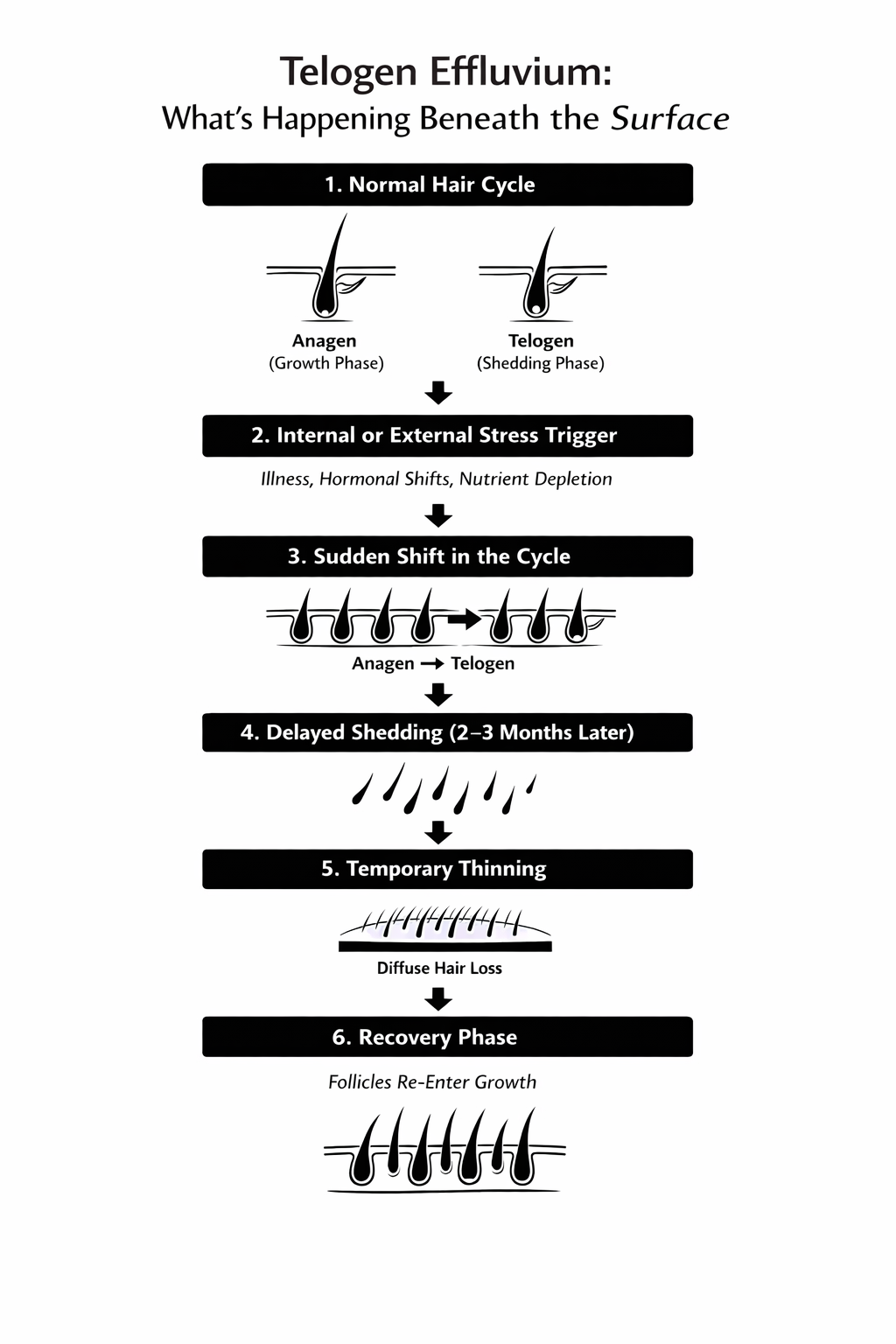
The most common culprit is telogen effluvium, a condition where physiological stress pushes a large number of follicles out of the growth phase and into a resting and shedding phase simultaneously. The result is diffuse shedding that typically becomes visible two to four months after the trigger.
GLP-1 medications set this process in motion through three overlapping mechanisms:
Rapid weight loss. As ascoping review published in Cureus found, patients losing more than 20% of their body weight face a significantly higher risk of telogen effluvium. The speed of the loss matters as much as the amount.
Nutritional deficiencies. Appetite suppression reduces intake of the nutrients follicles depend on most: protein, iron, zinc, vitamin D, and biotin. Protein deficiency in particular shows up in the hair before almost anywhere else in the body.
Hormonal shifts.Emerging research points to changes in insulin-like growth factor (IGF) signaling and androgen activity during GLP-1 therapy, which can accelerate underlying androgenetic alopecia in predisposed patients.
Telogen effluvium typically presents as diffuse shedding across the whole scalp rather than localized patches — more hair in the drain, on the pillow, when running fingers through. It can be alarming, but the shedding itself is a sign follicles are still alive and cycling. It is the beginning of a transition.
Learn more about hair shedding after starting a GLP-1 from our Trichologist, Brandy, on Instagram!
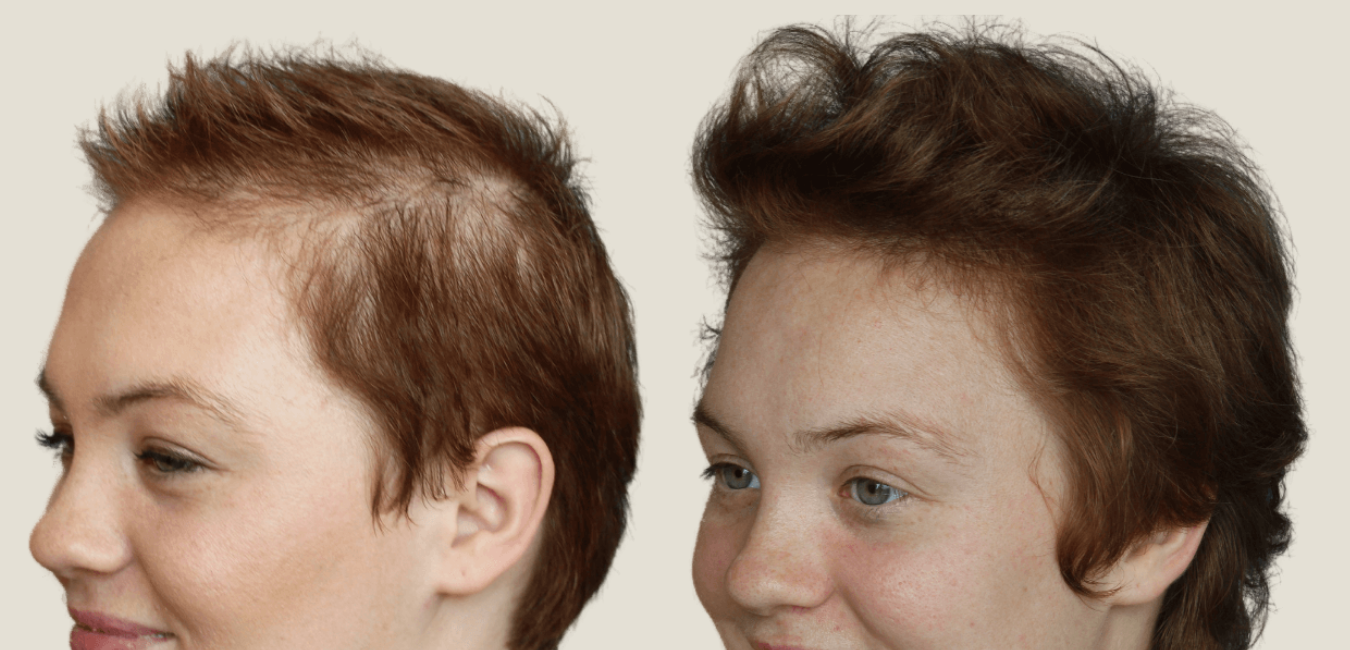
Before and After - A Patient with Telogen Effluvium
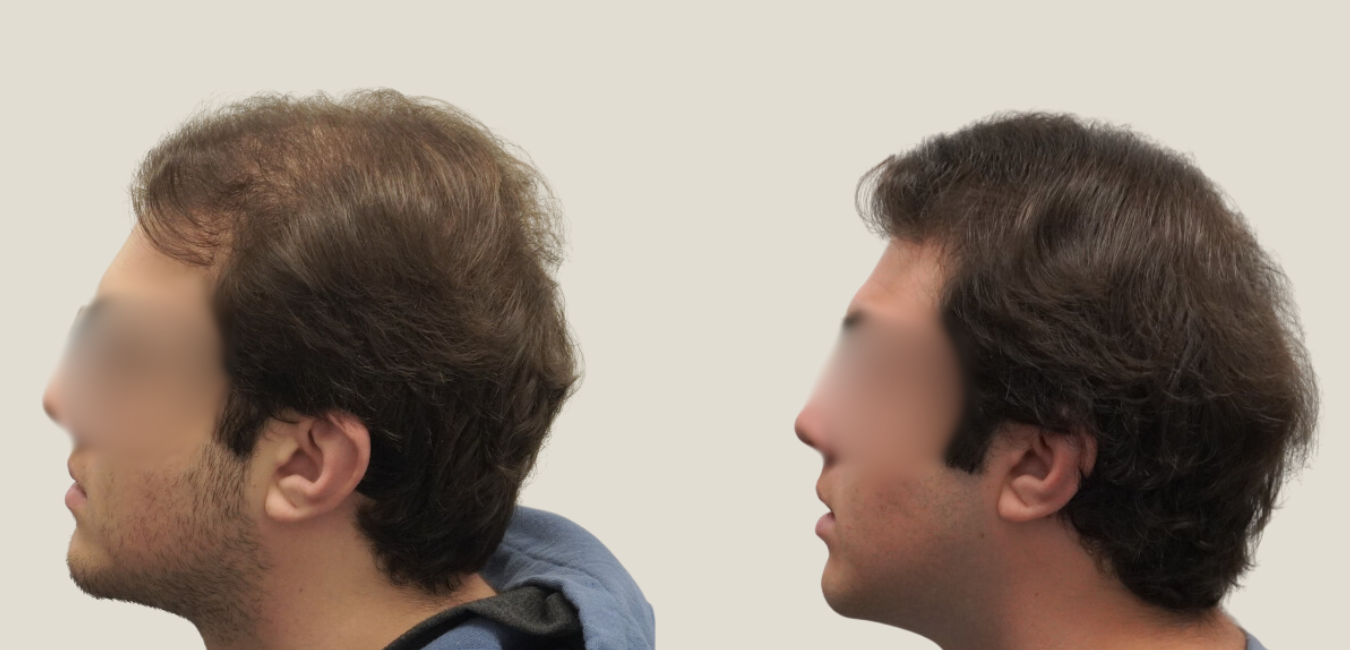
Before and After - A Patient with Telogen Effluvium
Will Your Hair Grow Back?
In most cases, yes. Telogen effluvium resolves as the body stabilizes and nutrient stores are replenished, with shedding slowing within three to six months and visible density improving over the following six to nine months.
The important distinction: hair loss driven by advancing androgenetic alopecia follows a different path and responds best to targeted clinical treatment. Getting a proper diagnosis is what makes the difference between watching and waiting and actually getting ahead of it.
What You Can Do Now
Prioritize protein. Hair is made of keratin, and dietary protein is its primary building block. Falling short during caloric restriction is one of the most direct drivers of follicle stress.
Get your levels tested. A panel covering ferritin, zinc, vitamin D, thyroid, and hormones gives a clear picture of where deficiencies exist before shedding becomes significant. Most of our hair loss programs start with comprehensive testing which you can do in person at our Scottsdale clinic or at home. To learn more about our blood tests, click here.
Start early. Earlier clinical support consistently produces better outcomes. Waiting until shedding is severe means the follicles have already been through a full cycle of stress.
Ready to Build a Plan with our Hair Loss Clinic in Scottsdale?
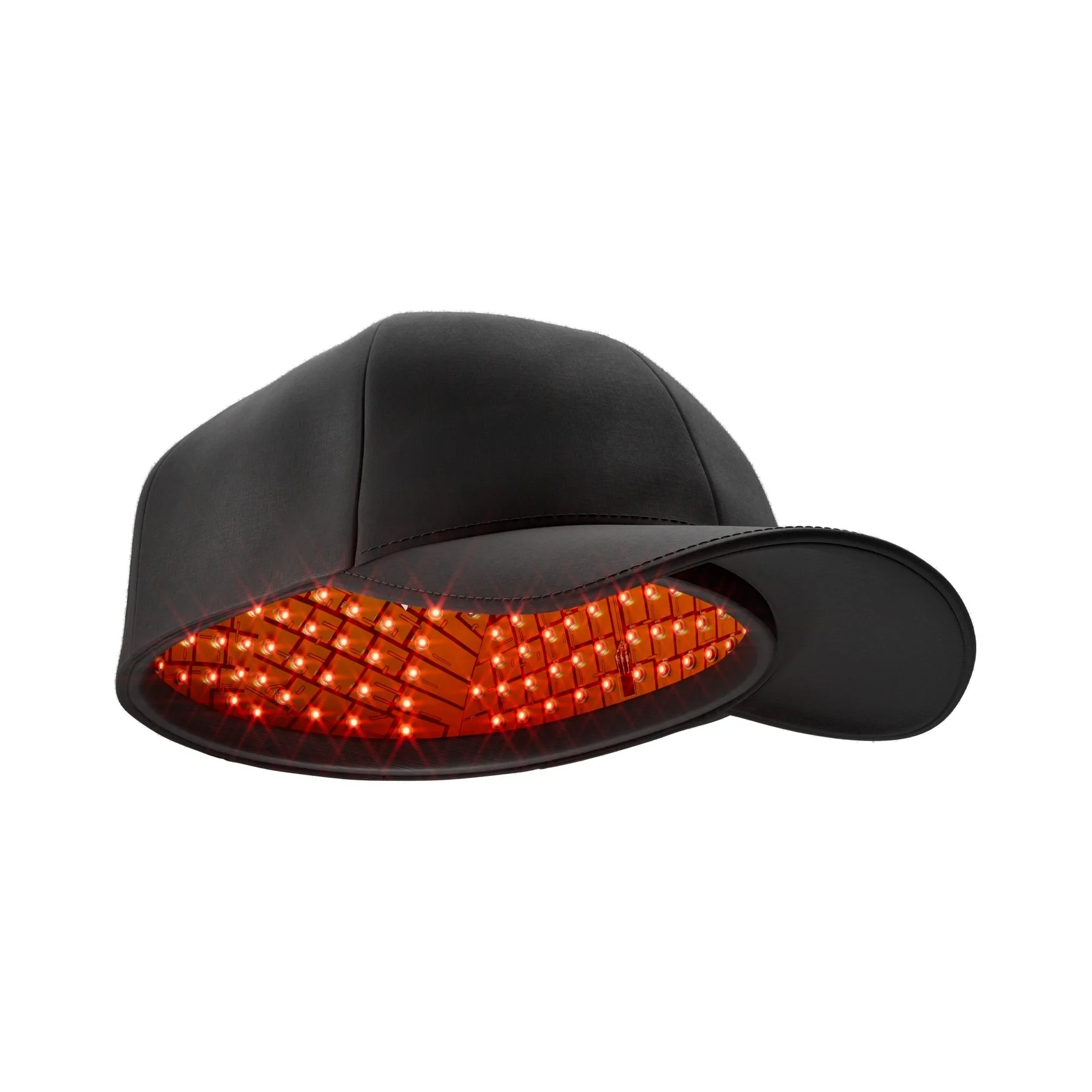
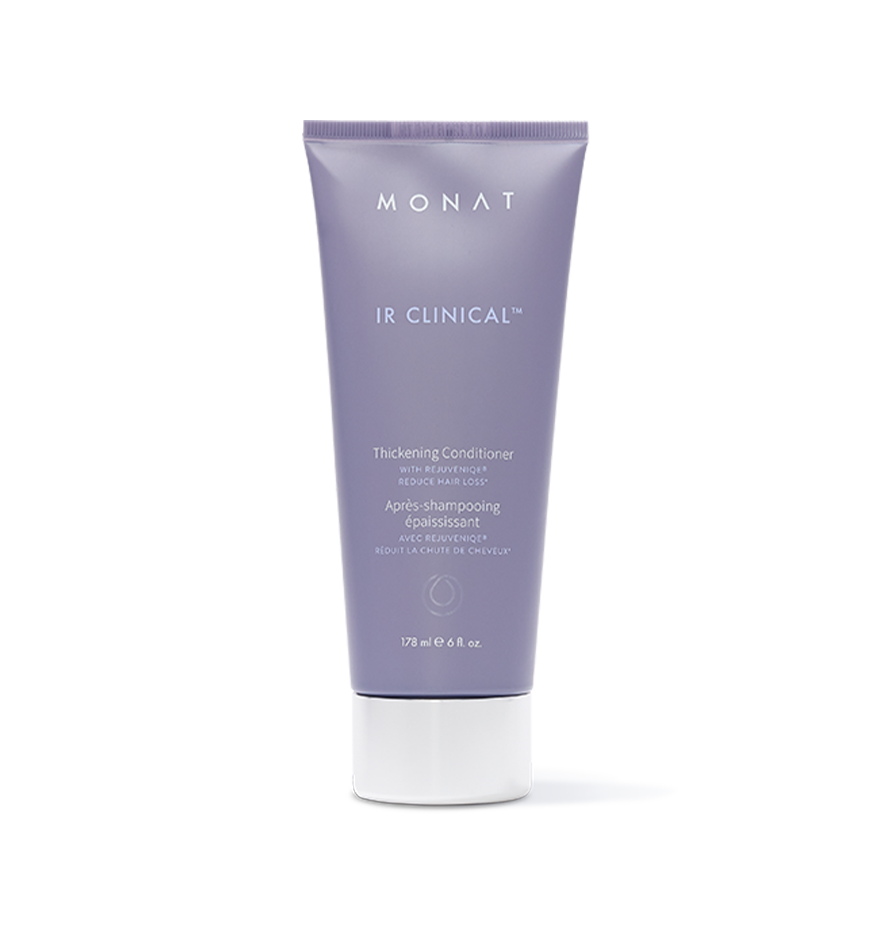
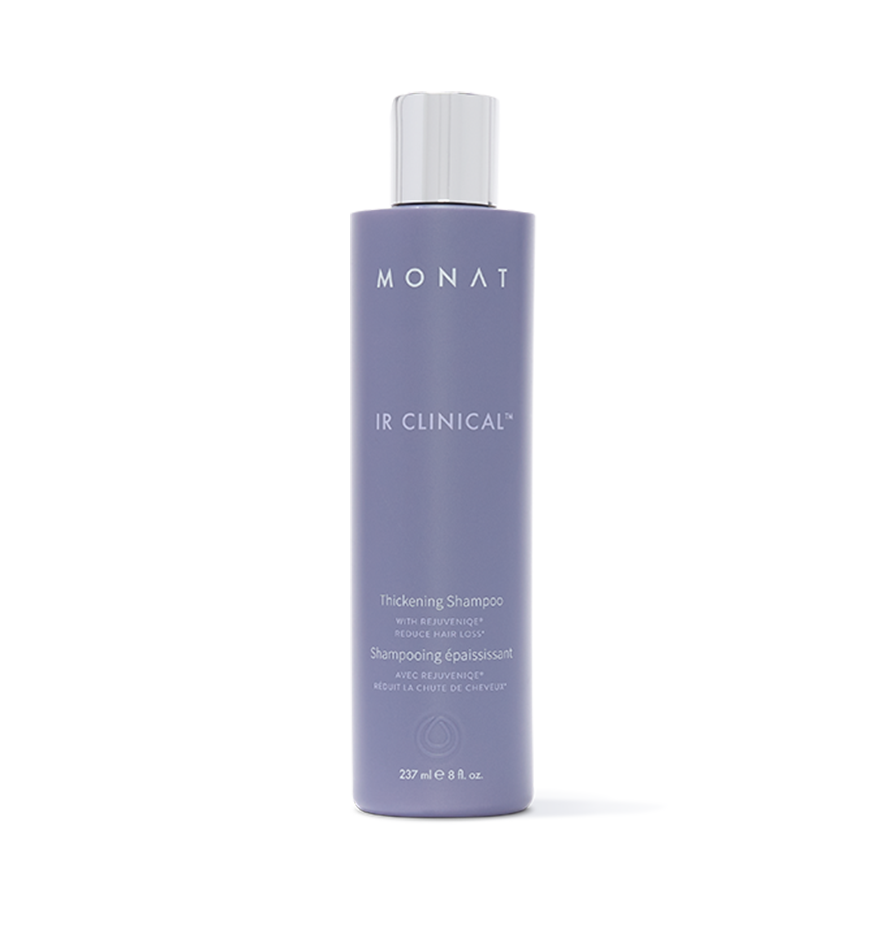
If you have been on a GLP-1 medication for three months or more and are noticing changes in your hair, a consultation with our Scottsdale team is the right next step. At NHLMA, we start with a thorough diagnostic workup and build a personalized protocol around your specific presentation — whether that includes comprehensive lab testing, PRP therapy, secretome stem cell therapy, or targeted clinical products.
Your weight loss journey and your hair health are two things you should never have to choose between. With the right support, you can have both.
Discover Our Bestselling Products For Hair Loss






Written by the Hair Loss Experts at NHLMA
Founded in 2007, National Hair Loss Medical Aesthetics is the leading Scottsdale-based practice specializing in the science of hair restoration and scalp health.
Our team of clinicians combines functional medicine, advanced diagnostics, and the latest regenerative treatments to address hair loss at its root cause. Through a clinical, evidence-based lens, not guesswork or one-size-fits-all solutions. We are not just writing about this. It is what we do every day.
This targeted melatonin hair serum is designed to support the scalp’s natural hair growth cycle and help address thinning hair and excess shedding.
Formulated as a lightweight topical treatment, it delivers key ingredients directly to areas of concern to promote a healthier scalp environment for stronger, fuller-looking hair.
Studies show that Melatonin supports the hair growth cycle and helping extend the growth phase of the follicle. By supporting the scalp’s natural biological processes, this serum helps create the ideal conditions for healthier hair density and improved hair strength over time.
The formula is enriched with scalp-soothing and nourishing ingredients that help calm irritation while supporting overall scalp health. Its lightweight, non-greasy texture absorbs easily, making it suitable for daily use without leaving residue or buildup.
Key Ingredients:
Melatonin helps support the hair growth cycle and is often used in topical treatments designed for thinning hair and excess shedding. It works to help maintain follicles in the active growth phase, supporting stronger and fuller-looking hair over time.
Panthenol (Provitamin B5), Camellia Sinensis (Green Tea) Leaf Extract, Glycyrrhiza Glabra (Licorice) Root Extract, Cimicifuga Racemosa (Black Cohosh) Root Extract, Niacin, Grapefruit Seed Extract, Alcohol
How To Use:
Apply directly to the scalp in areas of concern once daily or as directed. Gently massage into the scalp and allow the serum to absorb fully.
Hair Types Good For:
All hair types seeking a topical growth-support solution for thinning or excess shedding.
End