
Red Light Therapy for Hair Loss: Results, Month by Month

You have probably seen the device, or read the frequency guide. Here is the part most people actually want to know: what will you see, and when.
Red light therapy for hair loss, sometimes called low level laser therapy or LLLT, has become one of the most searched at home treatments for thinning hair, and one of the most misunderstood. Most of what is written about it covers how often to use a device or which one to buy. Fewer resources answer the question people actually care about: if I stick with this, what will I actually see, and on what timeline.
How It Works, Briefly
Red and near infrared light at specific wavelengths, typically in the 630 to 660 nanometer range for red light devices, is absorbed by mitochondria inside hair follicle cells. That energy transfer is believed to stimulate cellular activity in follicles that have miniaturized but not yet died, encouraging them back into an active growth phase. It will not create new follicles where none exist, but it can meaningfully support follicles that are still alive but underperforming.
What the Research Shows
A systematic review and meta analysis of randomized controlled trials evaluating low level laser therapy for androgenetic alopecia found consistent improvements in hair density across pooled studies compared to sham treatment, supporting it as a legitimate, evidence backed option rather than a wellness trend without substance.
Device quality matters significantly, which is why a separate systematic review focused specifically on FDA cleared, home use devices is useful reading before buying anything. Wavelength, power output, and treatment area coverage vary widely between products, and those differences affect real world results.
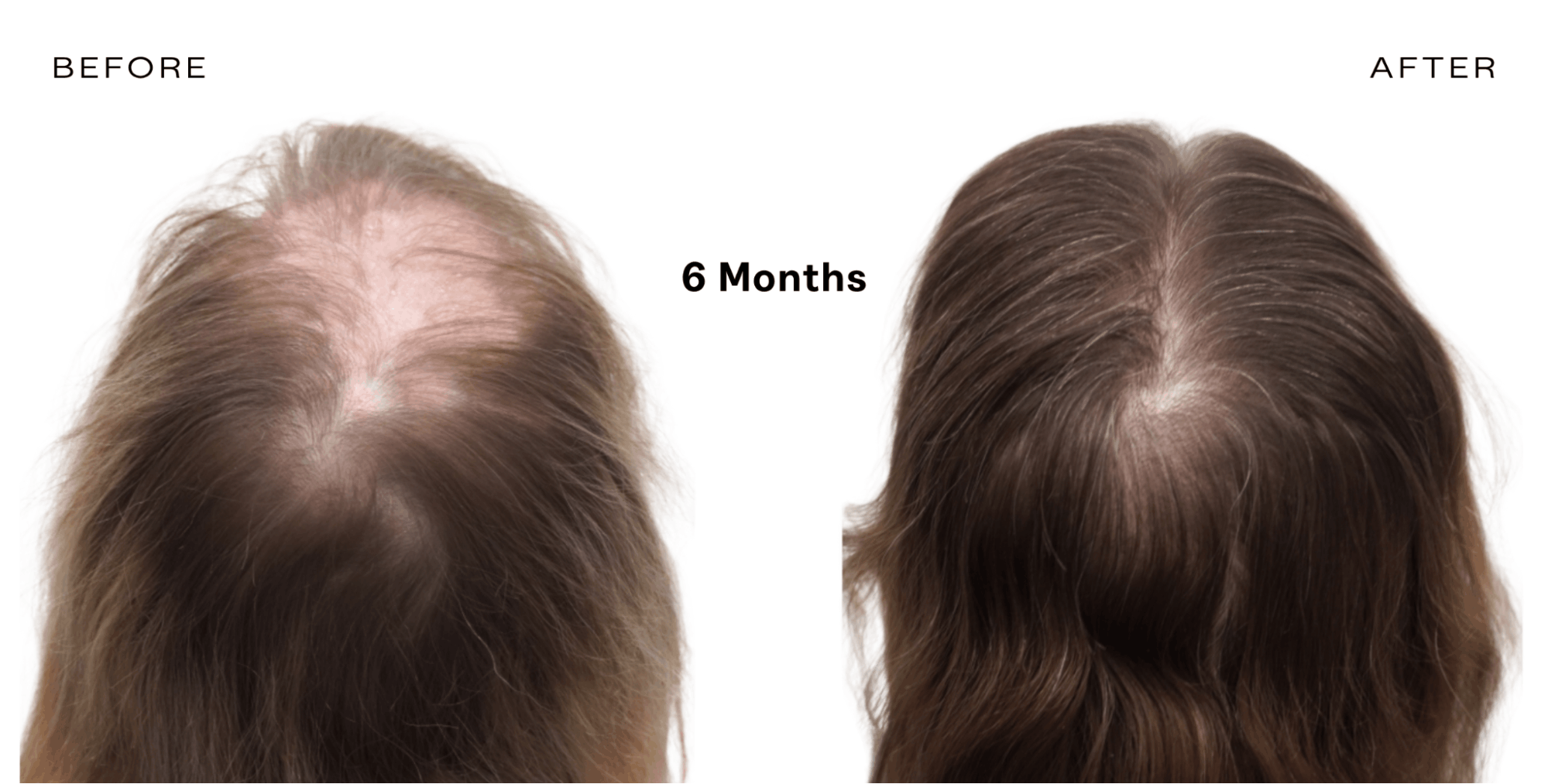
6 Months of Laser Therapy using NHLMA’s RX Duo Laser Cap - Female Patient with Alopecia Areata
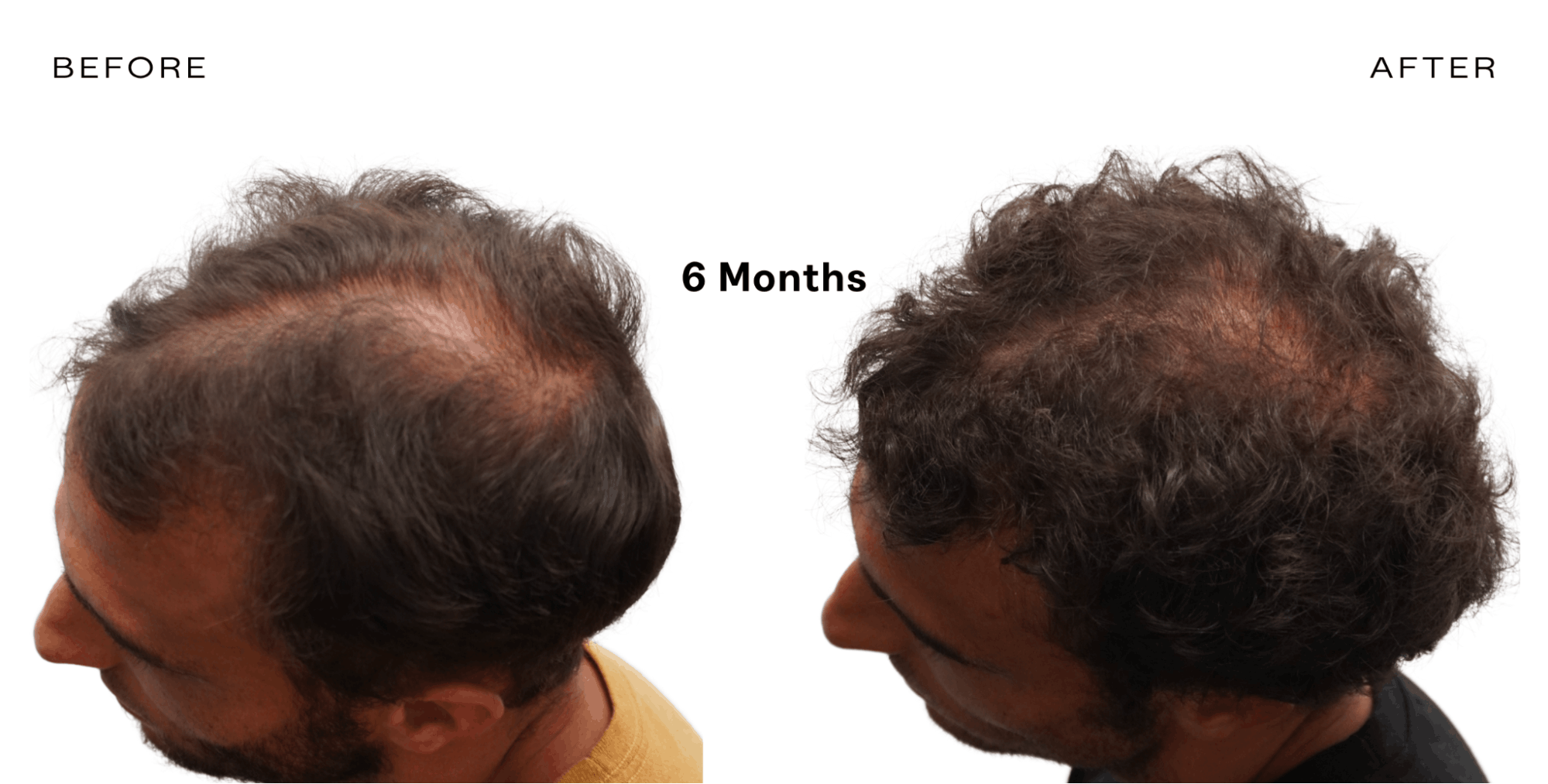
6 Months of Laser Therapy using NHLMA’s RX Duo Laser Cap - Male Patient with Male Genetic Hair Loss
A Realistic Timeline
Weeks 1 to 4: No visible change yet, and that is expected. Some people notice shedding stabilize, meaning less hair coming out during washing and styling, but this is subtle and easy to miss without paying close attention.
Weeks 4 to 8: Shedding reduction becomes more noticeable for most consistent users. This is also when it is easiest to give up, because visible growth has not started yet. Consistency here matters more than at any other stage.
Months 3 to 4: Fine, short, new hairs, often called vellus hair, typically start appearing, especially along thinning areas. These are not yet the thicker, pigmented hairs you are working toward, but they are a genuine sign the treatment is engaging the follicle.
Month 6 and beyond: For consistent users, this is when density changes become visible to other people, not just to you in the mirror. Photos taken under the same lighting and angle every month are the best way to actually see this progress, since day to day changes are too gradual to notice otherwise.
Setting Realistic Expectations
Red light therapy works best as a supportive, ongoing treatment rather than a fast fix, and it works best in combination with other treatments that address the underlying cause of hair loss, not as a replacement for them. Most consumer laser caps are also weaker than people assume, which is a big part of why results are so inconsistent from one product to the next. Our comparison of laser caps versus medical grade LLLT breaks down that difference in detail, and why device quality matters more for outcomes than most product marketing lets on.
If you have been using a device consistently for four to six months without any change, that is a signal worth discussing with a provider rather than continuing to wait, since it may mean the device, the dose, or the underlying cause needs a second look.
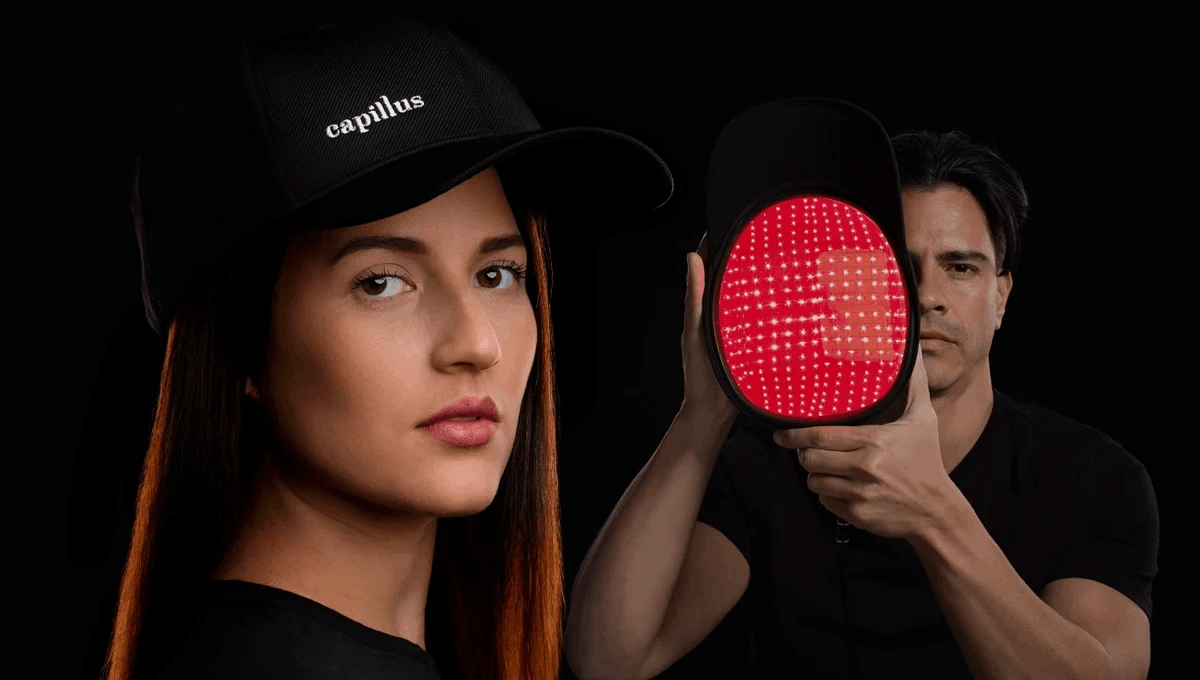
The Device NHLMA Actually Puts In Patients' Hands
Most of the inconsistency in red light therapy results comes down to the device, not the person using it. NHLMA's RX Duo Laser Cap is included in our hair loss programs and is our best selling product, for good reason.
It pairs 650 nanometer red light with 808 nanometer near infrared light in a single cap, delivering superficial follicle stimulation and deeper tissue activation together, rather than the single, shallower wavelength most consumer laser caps rely on.
It is also built around the adherence problem this article keeps circling back to.
Sessions run just six minutes a day, worn while you read, work, or relax, which removes the biggest reason people abandon a laser cap protocol before month three.
According to Capillus’ own patient outcomes with the device, 98 to 99 percent of users saw their hair loss stop, with up to a 51 percent increase in thickness, though as with any treatment, individual results vary and a lot depends on what is actually driving your hair loss in the first place.
That is exactly why we pair the RX Duo with hair follicle testing, and often our at home genetic saliva testing kit, before you start. Testing tells us whether your follicles are in a state where light based treatment alone is likely to be enough, or whether it should be paired with a medication or a regenerative treatment for a stronger result. A quick consultation with one of our trichologists can help you figure out which is true for you before you invest months of consistent use into any single approach.
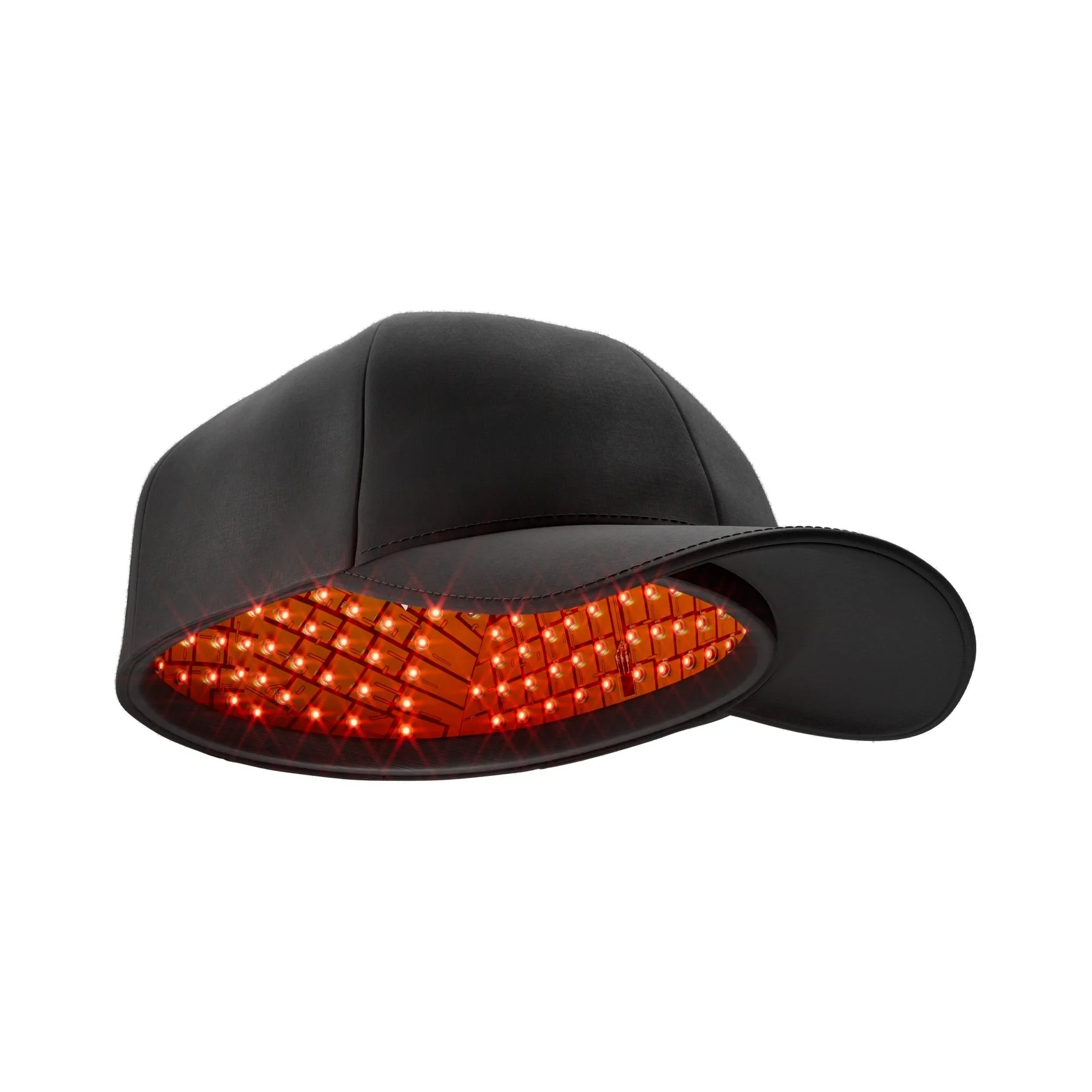
Our medical-grade device is the best laser cap for hair loss, combining dual 650 nm red laser light with 808 nm near-infrared (NIR) wavelengths to provide multi-layer stimulation, targeting both the hair follicle and deeper supporting tissues.
SUPPORT FOR HAIR GROWTH:
Designed for moderate-to-advanced thinning and post-transplant support built with 320+ medical-grade laser diodes. 6 minutes daily. FDA-cleared. A well-oxygenated, low-inflammation scalp environment provides a stronger foundation for hair follicles, which is particularly important in moderate to advanced thinning. The RX Duo combines 650 nm red light and 808 nm near-infrared wavelengths to stimulate follicular mitochondria, improve vascular flow, reduce inflammation, support miniaturized follicles, relieve scalp tension through deeper tissue penetration, and enhance overall hair density.
650 nm → superficial follicle stimulation
808 nm → deep tissue and deep follicle activation
Key Findings From Clinical Studies:
A 2024 systematic review and meta-analysis of 7 double-blind, sham-controlled randomized trials (607 participants total) found statistically significant hair density gains across FDA-cleared home laser devices. In individual device trials within that review: one diode-based cap showed a 63.67% increase in terminal hair count at 17 weeks versus 12.48% for the sham group, and a helmet-style device showed gains of 35% in men and 37% in women.
Also Includes:
5 Year Warranty laser/ 1 Year Warranty Battery
Rechargeable Battery & Seamless App Connectivity - Enjoy up to six full treatments per charge with a compact docking station that charges quickly and fits neatly on any nightstand. Sync with the Capillus App to monitor sessions, battery life, and track your regrowth journey with progress selfies.
75% money back satisfaction guarantee up to one year from purchase
Clinical-grade results with Photobiomodulation
20,000 hours (10+ years) of class 3R Medical Grade Laser
Ends
RX Duo Laser Cap, NHLMA's Best Selling Hair Loss Device
Dual wavelength, physician exclusive, and included in every NHLMA hair loss program.
BEST LONG TERM INVESTMENT:
Over 320 Medical-Grade Laser Diodes
Dual-Wavelength Laser Technology
Combines Near-Infrared with red-light lasers
Clinical-grade results with Photobiomodulation
Money-back guarantee programs available at NHLMA
20,000 hours (10+ years) of class 3R Medical Grade Laser
Frequently Asked Questions
How often do I actually need to use a red light therapy device?
This depends on the specific device and its power output, and answering it properly deserves its own explanation, which we cover in detail in our guide to how often to use red light therapy.
Can red light therapy work on its own, without medication?
For some people with early, mild thinning, yes. For more advanced hair loss, it generally performs best alongside medical treatment that addresses the root cause.
Is a more expensive device automatically more effective?
Not automatically, but wavelength accuracy, power output, and FDA clearance status do matter and vary meaningfully across price points.
How is NHLMA's RX Duo Laser Cap different from a typical laser cap?
Most consumer laser caps use a single, lower powered wavelength and call for fifteen to thirty minute sessions. The RX Duo pairs two wavelengths, 650 nanometer red and 808 nanometer near infrared, and is designed around a six minute daily session, which is a large part of why it is included across NHLMA's hair loss programs rather than offered as an optional add on.
How do I know if it is actually working?
Monthly photos in consistent lighting are the most reliable way to track real change, since progress happens too gradually to notice day to day.

Written by the Hair Loss Experts at NHLMA
Founded in 2007, National Hair Loss Medical Aesthetics is the leading Scottsdale-based practice specializing in the science of hair restoration and scalp health.
Our team of clinicians combines functional medicine, advanced diagnostics, and the latest regenerative treatments to address hair loss at its root cause. Through a clinical, evidence-based lens, not guesswork or one-size-fits-all solutions. We are not just writing about this. It is what we do every day.