
Does Creatine Cause Hair Loss? What the Research Actually Shows

If you searched this question after a workout forum sent you into a spiral, here is what the one study everyone cites actually found, and what it did not.
Creatine is one of the most researched, most effective supplements in sports nutrition, and also one of the most rumored to cause hair loss. If you lift, you have probably seen the claim repeated across gym forums and supplement reviews: creatine raises DHT, DHT causes hair loss, therefore creatine causes hair loss. The logic sounds tidy. The science behind it is much less settled than the internet makes it sound.
Where the Concern Actually Comes From
Nearly every version of this claim traces back to a single small study from 2009, published in the Clinical Journal of Sport Medicine. Researchers gave college aged rugby players a creatine loading protocol for three weeks and measured their hormone levels. By the end of the study, the ratio of DHT to testosterone had increased significantly compared to the placebo group.
That is the entire evidence base behind the rumor. One study, twenty subjects, three weeks, and a hormone ratio, not a hair count.
What That Study Did Not Show
The rugby player study never measured hair loss, hair density, or shedding of any kind. It measured a hormone ratio in blood samples. Extrapolating from that to “creatine causes hair loss” skips several steps that actually matter.
DHT sensitivity, not DHT level, is what drives androgenetic alopecia. Two men can have identical DHT levels and completely different outcomes, because hair loss depends on how genetically sensitive a person's follicles are to that hormone, not the raw amount circulating in the blood. A temporary rise in DHT will only accelerate thinning in someone whose follicles were already genetically primed to miniaturize.
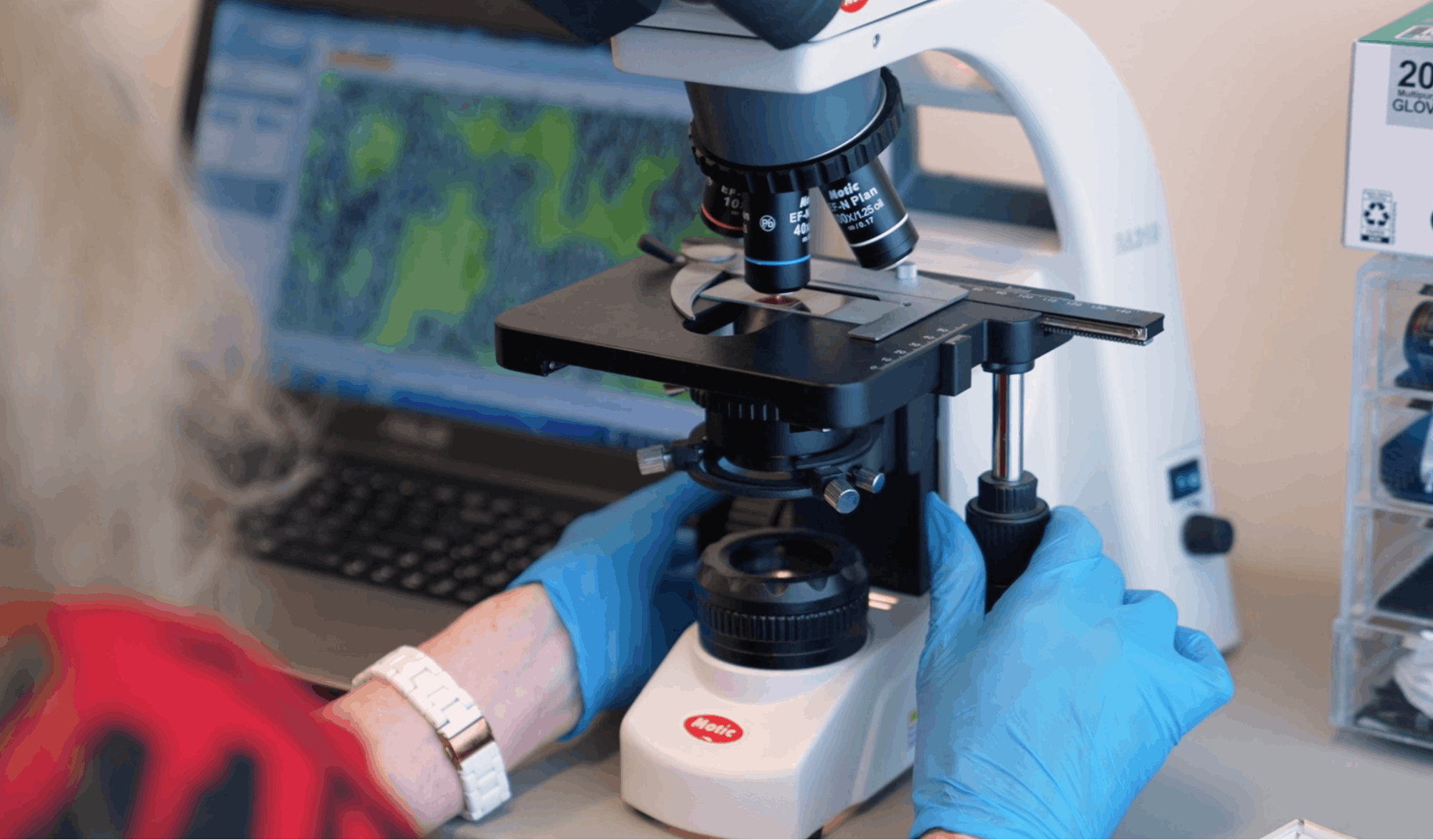
It is also worth noting that no follow up study has replicated this specific finding in the years since it was published, despite creatine being one of the most studied supplements in existence.
What the Broader Safety Research Actually Says
The International Society of Sports Nutrition's position stand on creatine, which reviews decades of research on safety and efficacy, does not list hair loss as an established side effect. Creatine's safety profile is one of the best studied of any sports supplement, and hormonal side effects beyond the single rugby player study have not been consistently observed in the literature.
If You Lift and You Are Worried About Thinning
If you already have a family history of pattern hair loss, or you have started noticing shedding, a widening part, or a receding hairline, that is worth having evaluated, whether or not you take creatine. Genetics, not your supplement stack, is doing the driving in the vast majority of cases.
If you want to keep taking creatine and are still concerned, the most useful thing you can do is get an actual hair and scalp evaluation rather than stopping a supplement based on one study that never measured hair in the first place.
Worried About Creatine and Hair Loss? Test Before You Guess.
Most hair loss advice online is a guessing game: stop this supplement, try that shampoo, and wait to see what happens. At NHLMA, the starting point is different. Before recommending that you eliminate creatine (or begin any hair loss treatment) we investigate what may actually be driving the changes in your hair.
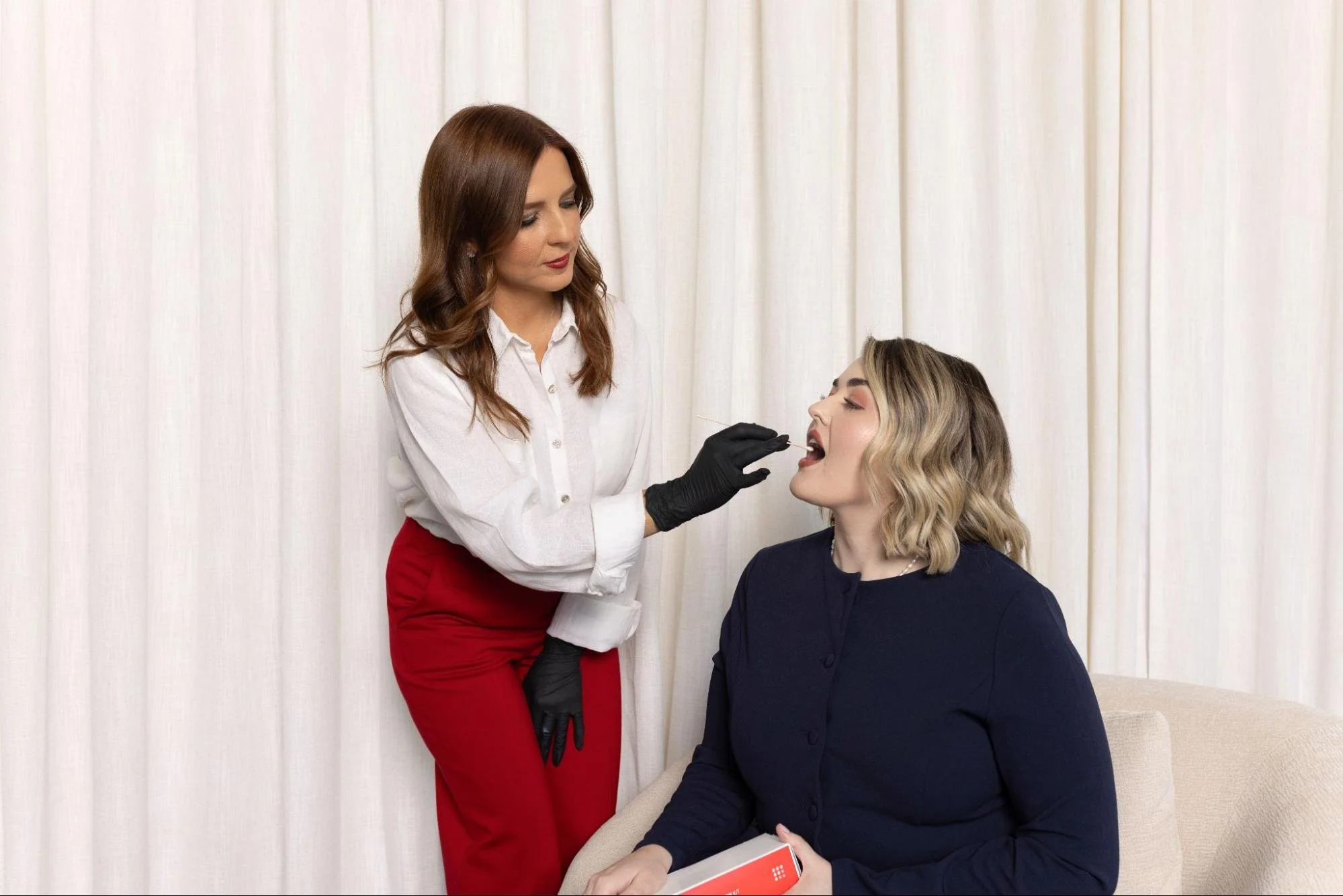
Our non-invasive genetic saliva test for hair loss analyzes genetic markers associated with hormone sensitivity and treatment responsiveness. This can help us understand whether your follicles may be genetically more susceptible to the effects of DHT and whether your profile suggests you may be a stronger or weaker responder to medications such as finasteride or dutasteride.
We pair those insights with a detailed scalp and follicle evaluation to document the pattern and degree of miniaturization currently present. Comprehensive lab work rounds out the picture by evaluating ferritin, thyroid function, vitamin D, hormone levels, nutrient status, and other markers that may be missed on a basic panel.
This is what separates a thoughtful diagnosis from trial and error. Research has found associations between variations in the androgen receptor gene, androgenetic alopecia, and response to finasteride. Genetic testing cannot guarantee how one person will respond, but it can give our providers another meaningful piece of information when evaluating DHT sensitivity and selecting treatment.
That context matters when discussing creatine. The concern originated largely from one small study that measured an increase in DHT but did not measure hair loss. More recent research, including a 2025 randomized controlled trial, found no significant differences in DHT levels or hair-growth measurements between participants taking creatine and those receiving a placebo.
Instead of eliminating a well-studied supplement based on one hormone study, or assuming creatine is responsible for shedding that may have another cause, NHLMA uses testing to investigate whether your hair loss appears genetic, hormonal, nutritional, inflammatory, or multifactorial. From there, we can build a treatment plan around your biology and determine whether a DHT blocker, nutritional support, regenerative therapy, or another approach makes the most sense.
That is the model behind every treatment plan at NHLMA: test first, then treat.
Learn more about genetic saliva testing or book a consultation at our Scottsdale clinic or virtually with one of our hair loss experts to start your hair loss plan.
Frequently Asked Questions
Should I stop taking creatine to protect my hair?
Based on the current evidence, there is no established reason to. If you notice actual shedding or thinning, the more useful step is a hair loss evaluation, not eliminating a well studied supplement over a single hormone study.
Does creatine cause hair loss in women?
There is no research specifically linking creatine to hair loss in women, and the original study only examined men.
What actually does cause male pattern hair loss?
Genetic sensitivity to DHT is the primary driver, which we cover in detail in our guide tominoxidil vs. finasteride treatment options.
Are there supplements that do affect hair health?
Yes. Deficiencies in iron, vitamin D, and certain B vitamins are far more established contributors to hair thinning than creatine. Our guides toiron deficiency andvitamin D cover what those labs should include.

Written by the Hair Loss Experts at NHLMA
Founded in 2007, National Hair Loss Medical Aesthetics is the leading Scottsdale-based practice specializing in the science of hair restoration and scalp health.
Our team of clinicians combines functional medicine, advanced diagnostics, and the latest regenerative treatments to address hair loss at its root cause. Through a clinical, evidence-based lens, not guesswork or one-size-fits-all solutions. We are not just writing about this. It is what we do every day.