Does Exosome Therapy Work for Hair Loss? What the Research Shows
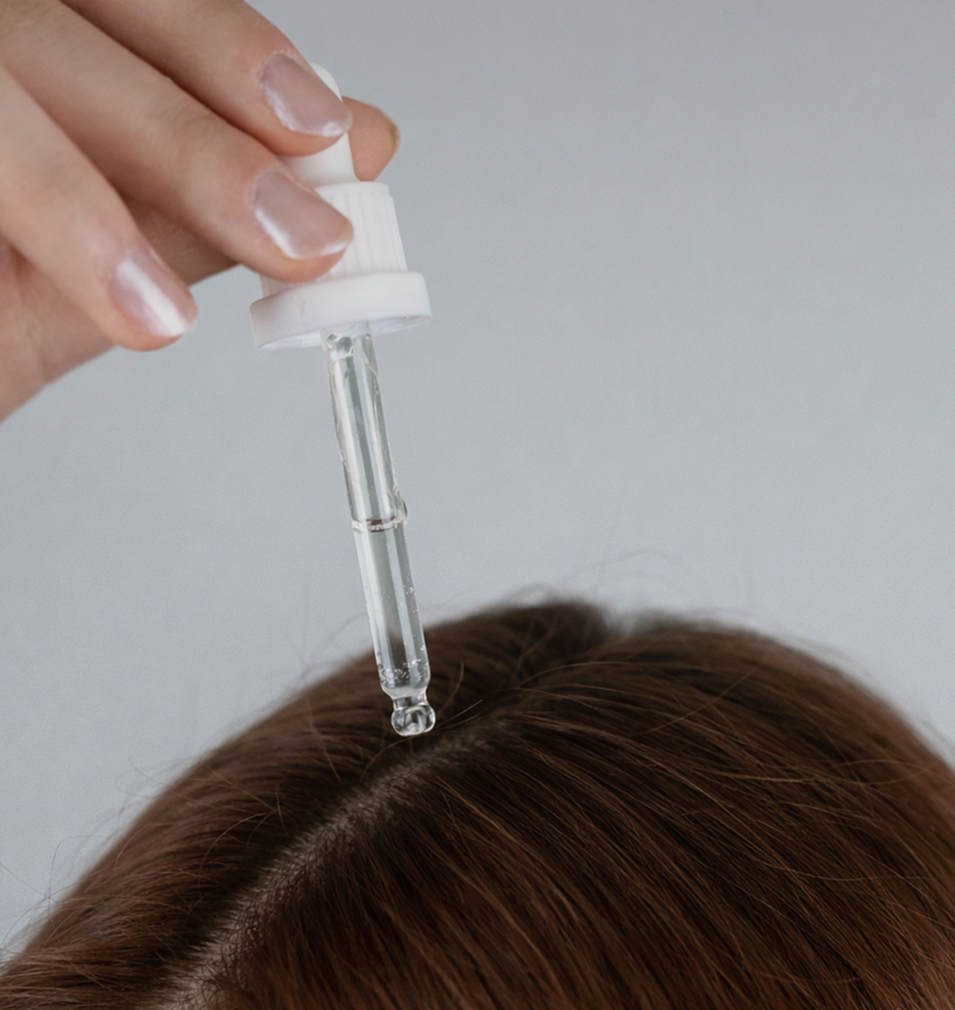
If you have been researching options for hair loss and keep seeing exosomes come up, you are not alone. In Scottsdale, Exosome therapy for hair loss has quickly become one of the most talked-about treatments in regenerative medicine, and for good reason. The clinical evidence is building, the safety profile is strong, and the results we see in practice are genuinely encouraging.
This post breaks down how exosome therapy works for hair loss, what the research actually shows, and what patients at our Scottsdale clinic can realistically expect.
What Are Exosomes?
Exosomes are tiny vesicles, essentially small packages, that are naturally released by cells throughout your body. Their primary job is communication: they carry proteins, growth factors, and genetic material from one cell to another, delivering instructions that regulate repair, regeneration, and function.
In the context of hair restoration, exosomes derived from mesenchymal stem cells are processed and concentrated for therapeutic use. When applied to the scalp, they deliver a targeted signal to the follicles encouraging them to shift into and stay in the active growth phase, improve their cellular environment, and respond more effectively to other treatments. Think of it less like a drug forcing a reaction and more like a message your follicles have been waiting to receive.
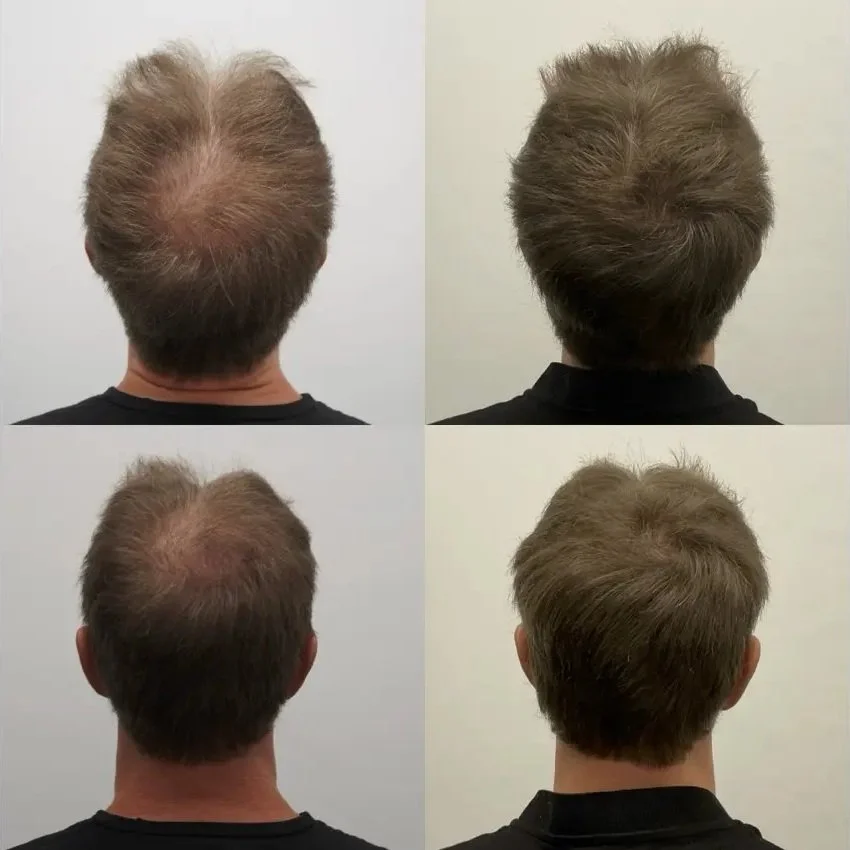
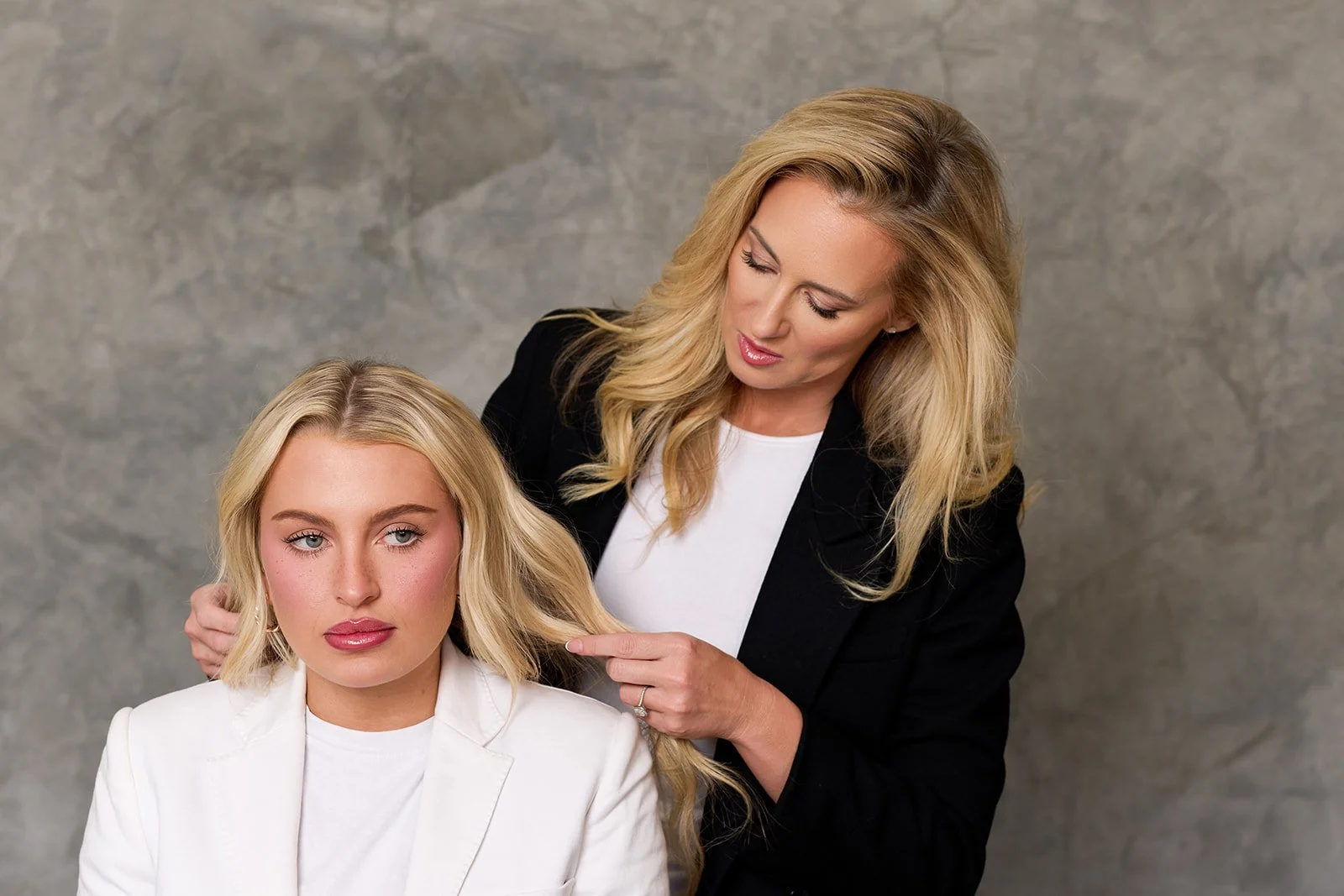
Before & After of an NHLMA Patient who used exosomes in their hair loss program, and had amazing results!
How Do Exosomes Support Hair Growth?
Exosomes support hair restoration through several well-documented mechanisms.
They activate the Wnt/β-catenin signaling pathway, which is one of the primary molecular switches that governs the hair growth cycle. When this pathway is properly activated, follicles transition into the anagen (active growth) phase and stay there longer. A 2024 systematic review published in the Journal of Cosmetic Dermatology confirmed this mechanism as central to exosome-driven hair regeneration.
They also reduce scalp inflammation, which is a significant but often overlooked contributor to hair thinning. Chronic low-grade inflammation around the follicle disrupts the growth cycle and can gradually damage the follicle over time. Exosomes carry anti-inflammatory signals that help create a healthier follicle environment.
Finally, they improve blood flow and nutrient delivery to the follicle by supporting the growth of new microvasculature around the hair follicle unit. Better circulation means more oxygen and nutrients reaching the cells that power hair growth.
What Does the Research Show?
The clinical evidence for exosome therapy in hair restoration has grown substantially in recent years.
A 2024 systematic review and meta-analysis analyzing nine clinical studies and 125 patients found that every study reported improvements in at least one key hair parameter. Hair density increased by 9.5 to 35 hairs per square centimeter depending on the exosome source and protocol, and hair thickness improved by up to 13 micrometers. No serious adverse events were reported across the studies.
A prospective study published in Aesthetic Plastic Surgery in 2024 specifically examined exosome treatment in androgenetic alopecia and found meaningful improvements in both hair density and patient satisfaction over the follow-up period.
A broader systematic review from PMC covering multiple alopecia types concluded that exosomes derived from adipose tissue, placenta, and umbilical cord sources all showed substantial benefits, with the research consistently pointing to improvements in follicle cycling and no significant safety concerns.
The honest caveat is that most studies to date have been small, and the field is still working toward standardized protocols and larger randomized controlled trials. But the direction of evidence is clear and consistent, which is why exosome therapy has become a meaningful part of how we approach hair restoration at NHLMA.
Who Is a Good Candidate?
Exosome therapy tends to work best for patients in the earlier to moderate stages of hair loss, before significant follicle miniaturization has occurred. Once a follicle has been fully dormant for an extended period, the window for reactivation narrows. Earlier intervention generally means better outcomes.
Good candidates include patients experiencing gradual thinning or increased shedding, those with androgenetic alopecia (pattern hair loss) at early to moderate stages, patients who have not responded fully to topical treatments like minoxidil, those looking for a non-surgical option with minimal downtime, and patients who want to enhance the results of other treatments like PRP or laser therapy.
It is not a one-size-fits-all treatment, which is why we begin every exosome conversation with a thorough consultation and scalp evaluation. Understanding what is driving your hair loss determines whether exosomes alone or a combined protocol will produce the best result.
What Does the Treatment Look Like?
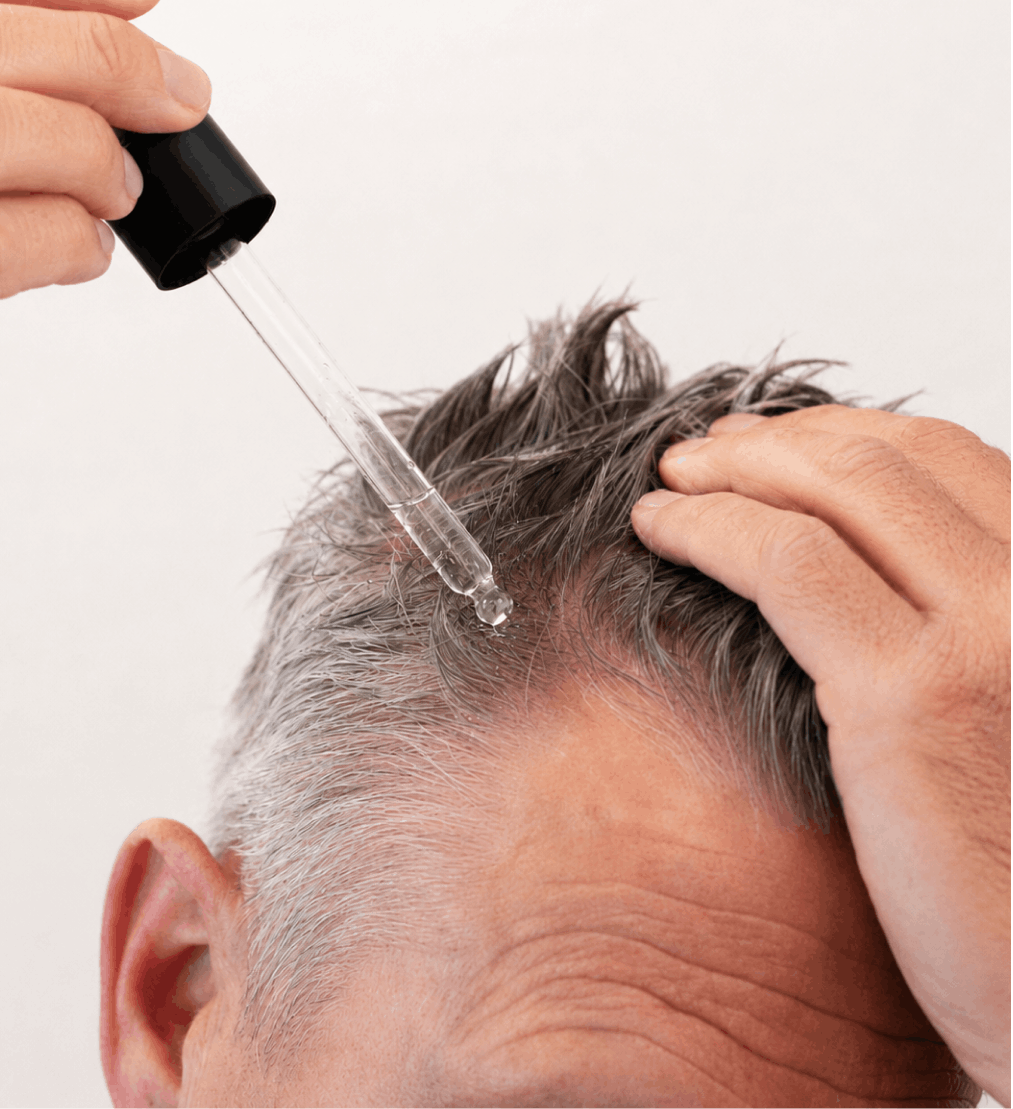
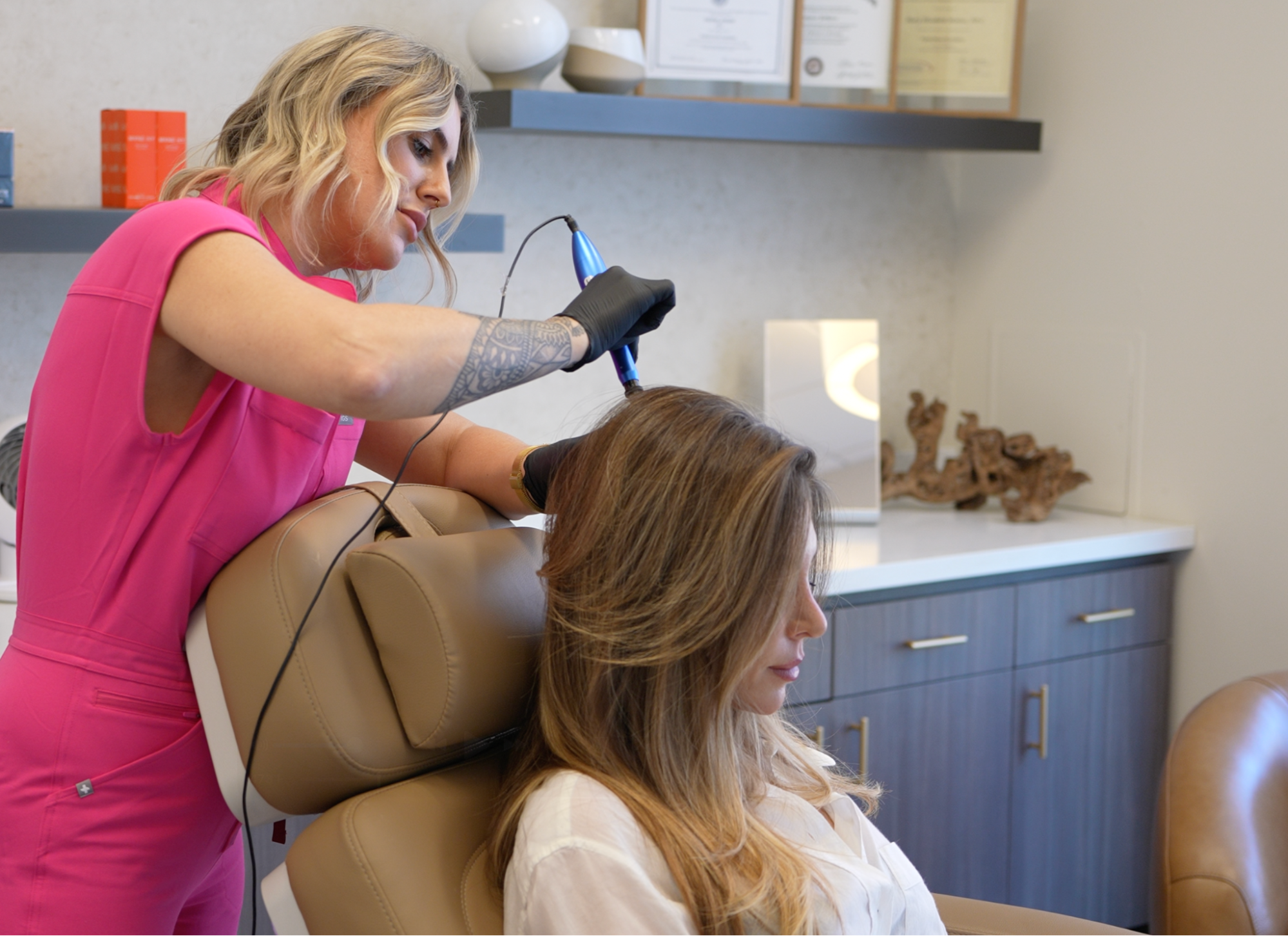
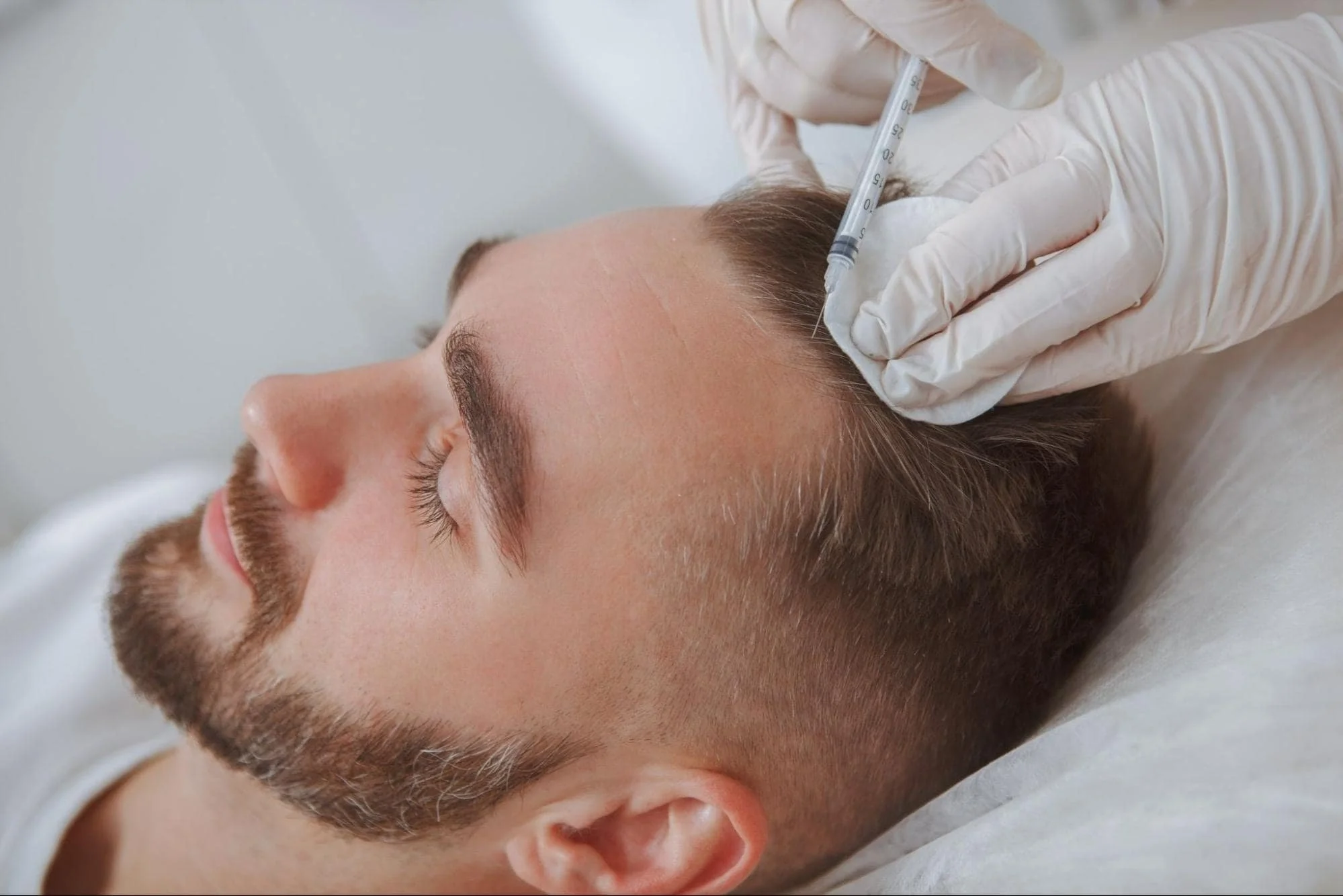
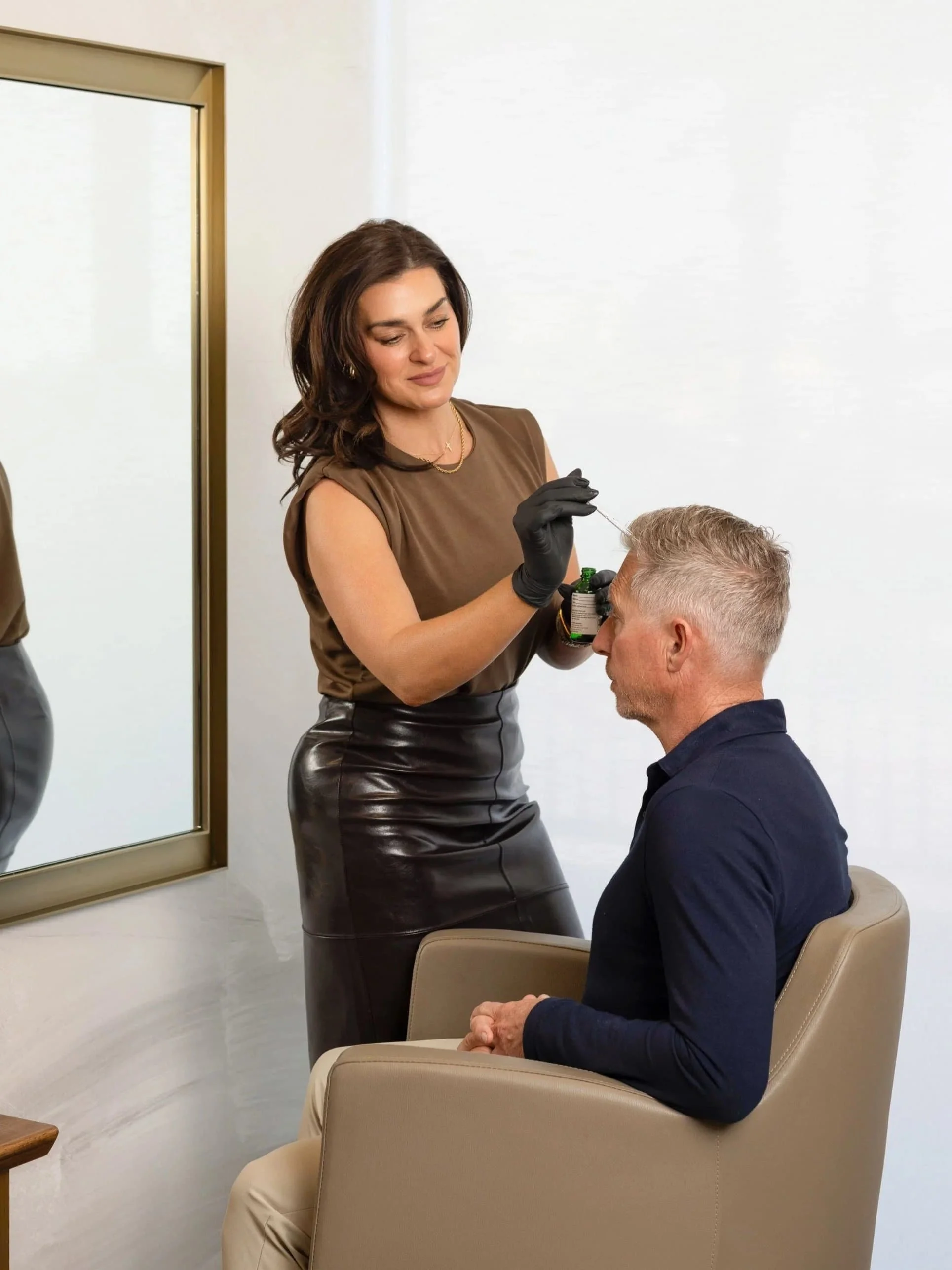
At NHLMA, exosome therapy for hair loss involves the application of concentrated exosomes to the scalp, typically following microneedling or another delivery method that maximizes absorption. The treatment itself takes under an hour, requires no downtime, and is well-tolerated by most patients.
We use medical-grade exosomes sourced from rigorously tested suppliers. Quality and sourcing matter enormously in this space, and not all exosome products are equivalent. This is one area where the provider and the product both matter.
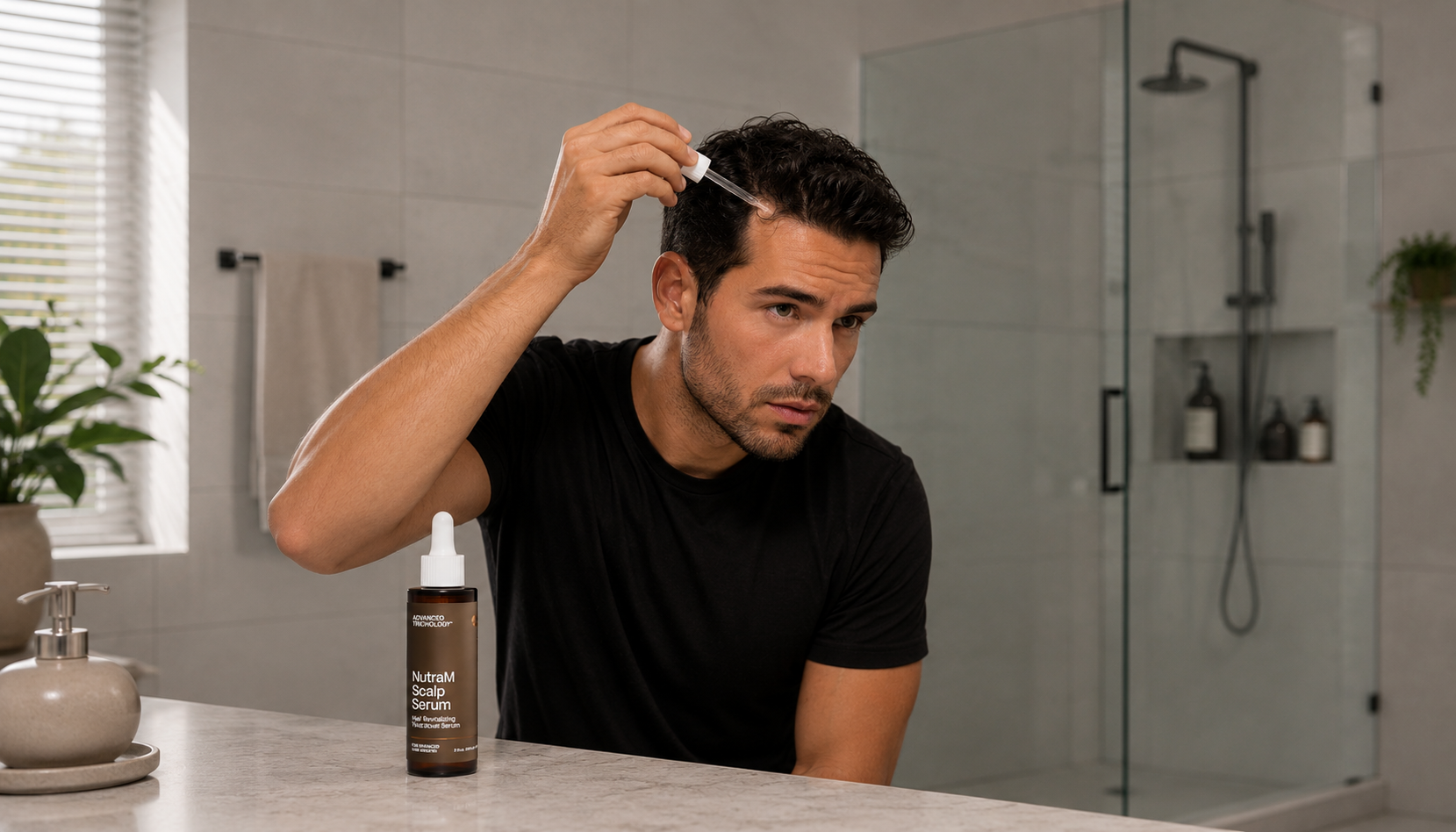
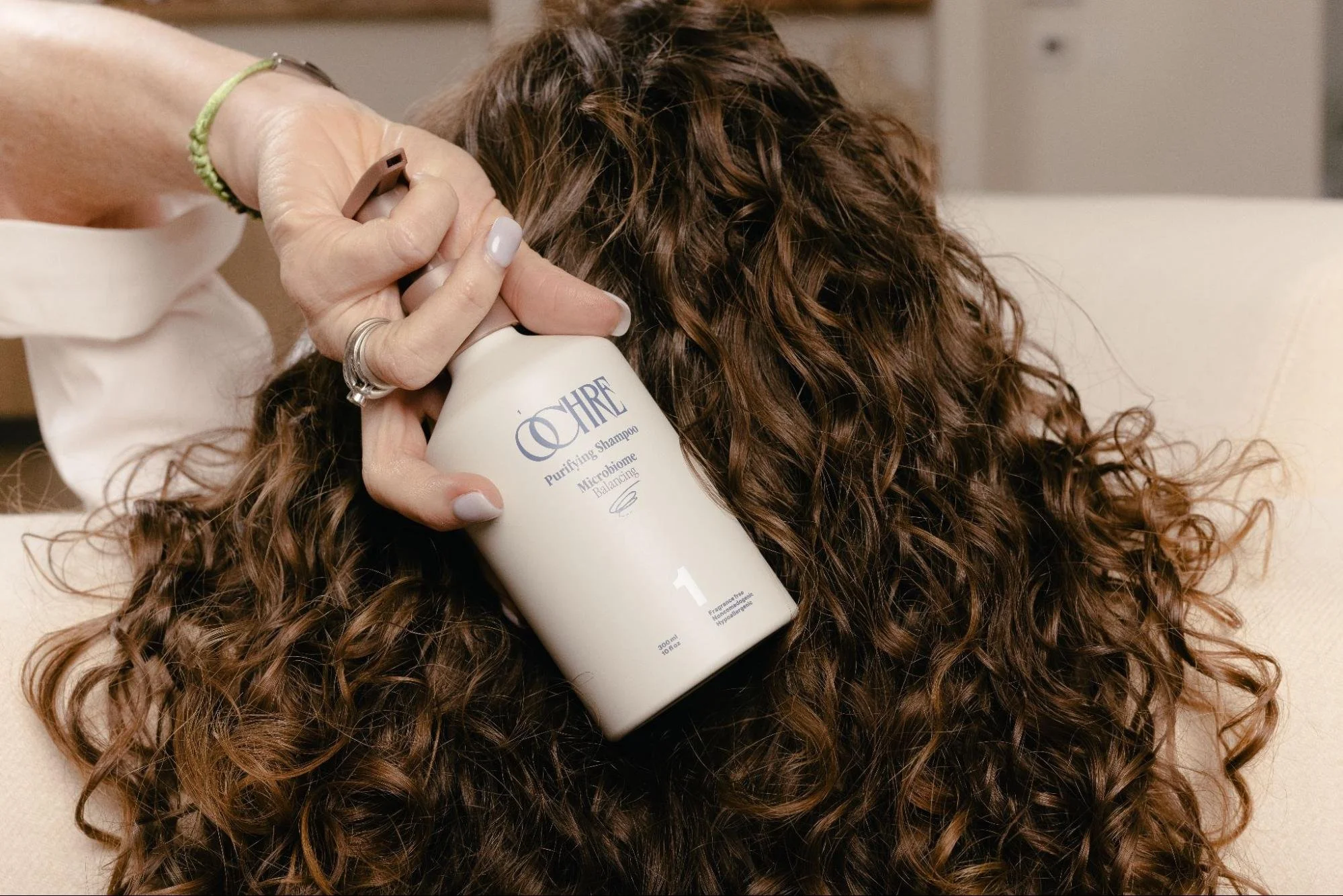
For patients who want to extend results between in-clinic sessions, we also offer at-home exosome products including stem cell shampoos and serums from our Elevai partnership that deliver exosomal signaling as part of a daily routine.
What Results Can You Expect and When?
Exosome therapy works gradually, which is actually a sign that it is working with your biology rather than forcing a surface-level result.
Most patients notice a reduction in shedding within the first few weeks after treatment. Visible improvements in density and thickness typically develop over three to six months as the hair growth cycle progresses. Results continue to improve for up to a year in some patients, particularly when exosomes are part of a broader protocol.
Because results accumulate over time, we generally recommend a series of treatments spaced appropriately rather than a single session, especially for patients with moderate thinning.
Exosome Therapy in Scottsdale
NHLMA is one of the few practices in the Scottsdale and Phoenix area offering medical-grade exosome therapy for hair loss as part of a comprehensive, clinically-guided hair restoration program. Our team evaluates every patient individually and builds protocols around what the data shows, not what is trending.
If you are in the Scottsdale area and exploring exosome therapy for hair loss, we would love to walk you through your options.

Ready to Find Out If Exosomes Are Right for You?
Book a consultation at our Scottsdale location or virtually! We will assess your scalp, review your history, and tell you honestly whether exosome therapy belongs in your plan and what to expect if it does.